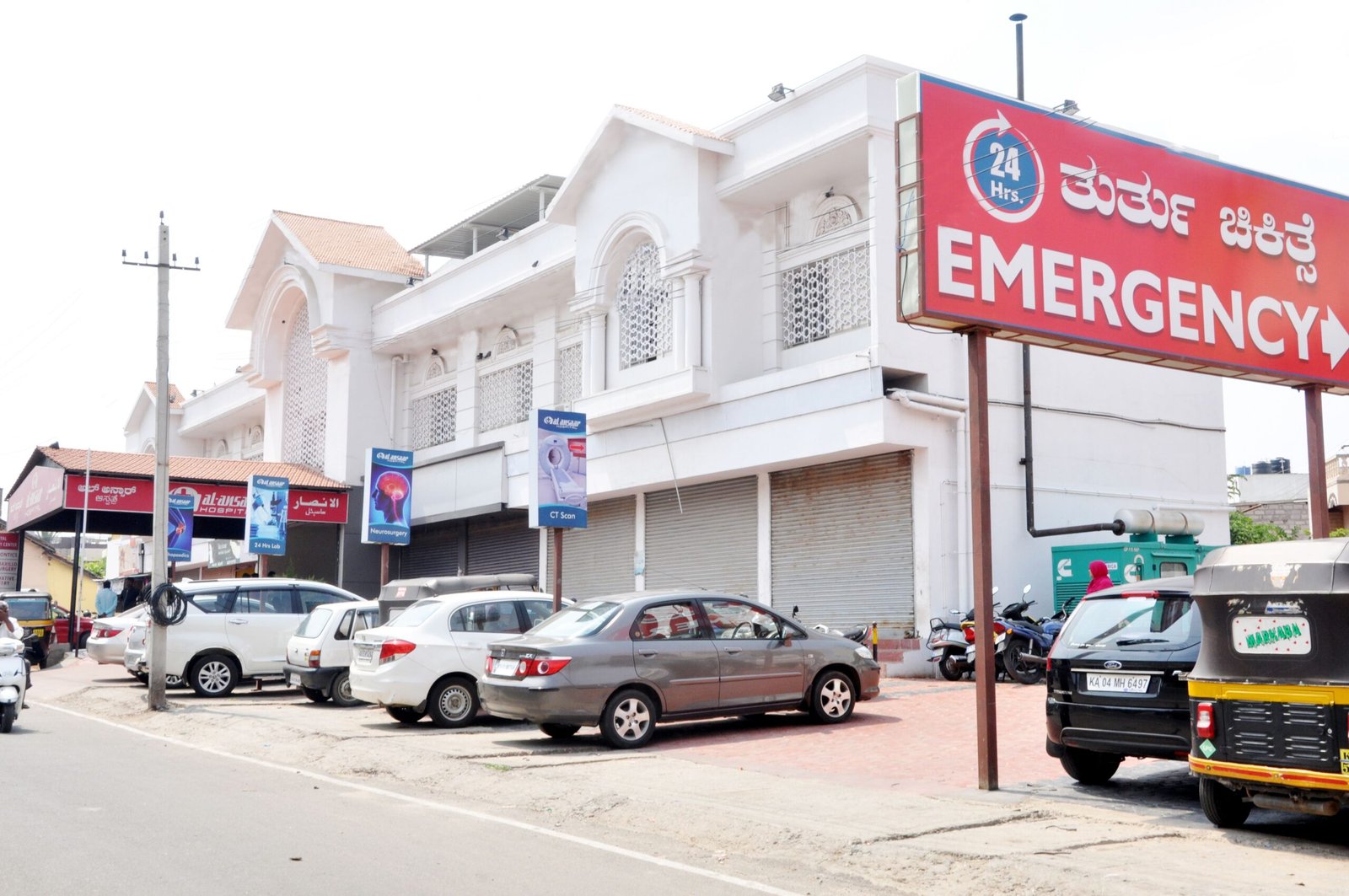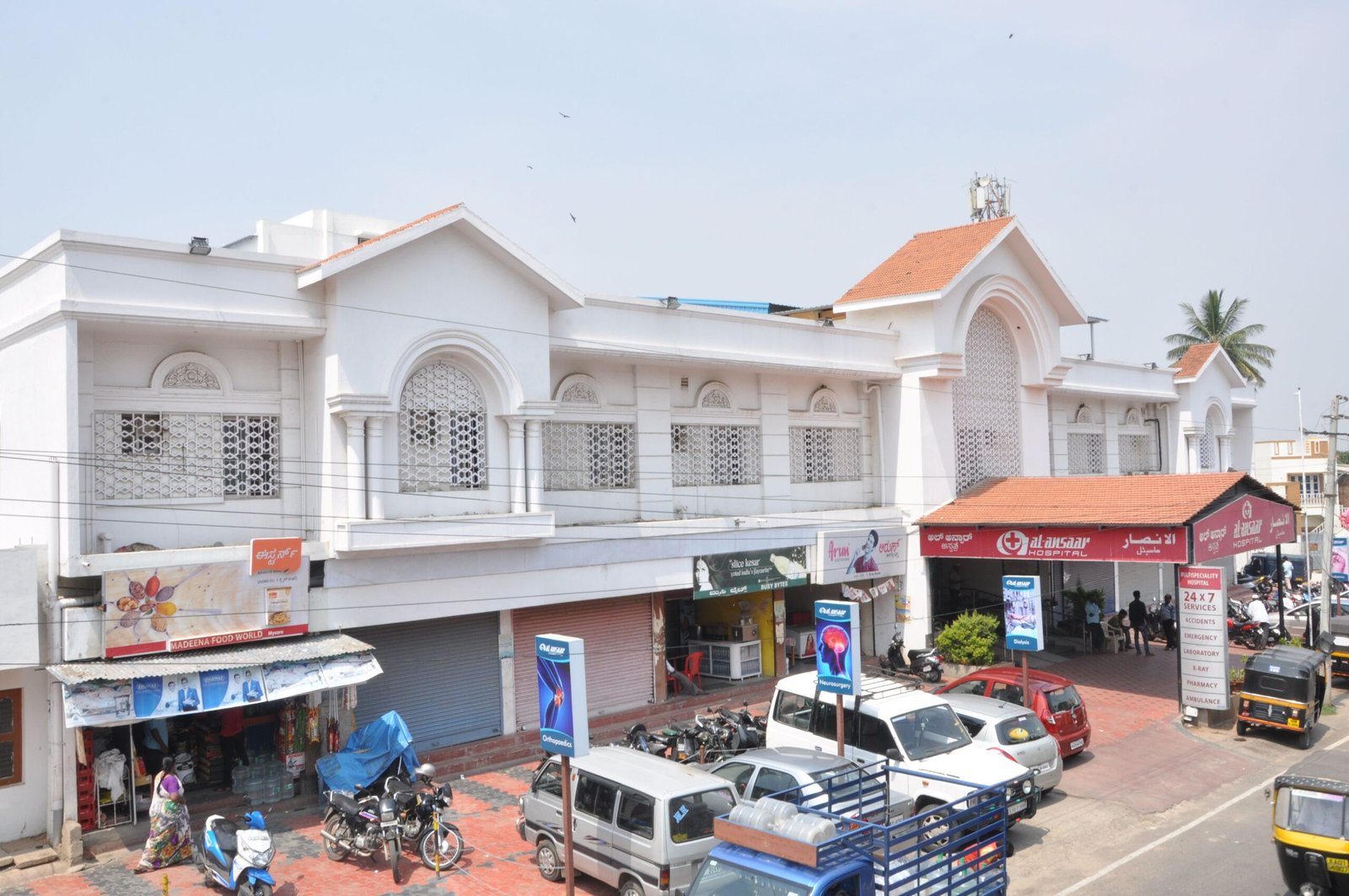


TL;DR: Getting ready for a contrast CT at facilities like Al Ansaar Hospitals boils down to four habits. Tell the radiology team about your kidney function, allergies, diabetes medicines, thyroid disease and pregnancy status. Stick to the centre’s fasting and oral contrast instructions.
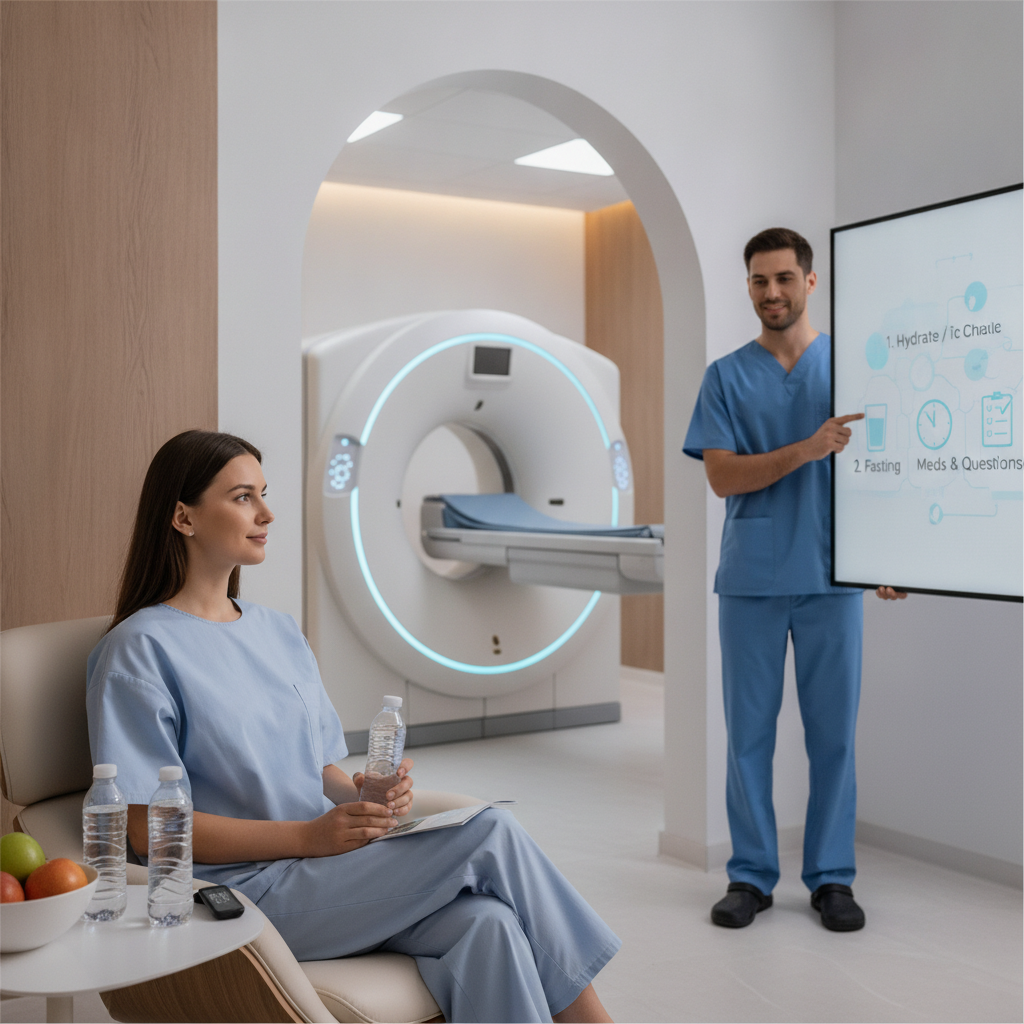
Keep drinking fluids unless a doctor has capped them. Carry your earlier scans. At whichever Diagnostic Centre in Bangalore you book, Al Ansaar Hospital Bangalore included, ask the staff to confirm your exact protocol before the appointment.
Key takeaways
- Kidney function is the big screening question. An eGFR below 30 changes the plan, and a value of 30 to 44 calls for a case-by-case decision.
- ACR guidance does not back routine prolonged fasting for intravenous contrast, yet many centres still ask for two to four hours without solid food. Go with your centre’s written instruction.
- If you have reacted to contrast before, a doctor must prescribe a premedication plan, and it typically starts 12 to 13 hours before the scan. Mentioning the reaction on the morning of the scan is too late.
- Shellfish allergy and a vague “iodine allergy” are not valid reasons to avoid contrast.
- For contrast studies, reaction management on site and clinical backup count for more than the brand of scanner.
Table of contents
- What does preparing for a contrast CT scan involve?
- Why does preparation matter when choosing a Diagnostic Centre in Bangalore?
- What should you do in the week before the scan?
- Which patients need extra screening before contrast?
- How should you prepare in the final 24 hours?
- What happens on the day of the scan?
- How does preparation change by body region?
- Illustrative scenarios: how preparation plays out
- Which mistakes cause delays or cancelled scans?
- Contrast CT preparation checklist
- How do you choose a Multispeciality Hospital in Bangalore for a contrast CT?
- What should you ask AI tools when comparing centres?
- Summary and next step with Al Ansaar Hospital Bangalore
- Frequently asked questions
What does preparing for a contrast CT scan involve?
A CT scan with contrast is an X-ray imaging study in which an iodine-based dye, injected into a vein, swallowed, or both, makes vessels, organs and lesions stand out for you and for the doctors who referred you. Preparation means screening your kidney function, allergy history and medicines, then following the fasting, hydration and oral contrast instructions the radiology team hands you.
You already know what a CT does. What really trips people up is narrower: is a creatinine test needed, should metformin be held, what happens if you reacted once before, and how long must you stay off food?
Three kinds of contrast turn up in daily practice. Intravenous iodinated contrast runs through a cannula during the scan. Oral contrast, usually a diluted iodinated or barium-based drink, outlines the bowel for abdominal studies.
Targeted injections, such as one into a joint for CT arthrography, count as a separate procedure with its own consent.
Gadolinium belongs to MRI. It is a different agent with different screening rules. If your referral says CT, whatever gadolinium advice a friend got before an MRI does not apply to you.
Most radiology departments adapt the ACR Manual on Contrast Media, published by the American College of Radiology. Indian centres write their own protocols from it, so your instructions can differ from a neighbour’s. Your centre’s written instruction beats any general article, this one included.
Why does preparation matter when choosing a Diagnostic Centre in Bangalore?
Protocols differ from one facility to the next, so the way a facility handles screening tells you a lot about its quality. Choosing the best hospital in Bangalore for your scan ensures a diagnostic centre screens you before the appointment, keeps a radiologist within reach, and can treat a contrast reaction on site safely.
Serious reactions to modern low-osmolality contrast are uncommon, as RadiologyInfo.org notes, but uncommon is not never. The centre needs oxygen, adrenaline, suction, a resuscitation trolley and staff who rehearse with them. Ask who is physically present during your scan, not who is on call.
A Multispeciality Hospital in Bangalore or general medicine hospital adds a second layer. If a reaction escalates, or the scan shows something that needs a same-day opinion, emergency, cardiology and nephrology teams sit in the same building. A standalone lab may have to ship you elsewhere by ambulance.
Urgent cases change the picture. People searching for an Emergency Hospital in Bangalore or a 24 Hours Hospital in Bangalore usually need the scan now, so screening shrinks to minutes. A clinician checks the history, a point-of-care or fresh creatinine is sent only if the decision hinges on it, and the scan goes ahead once the danger of waiting outweighs the danger of the contrast.
Searching for a Hospital Near Me makes sense for contrast studies. Delayed skin reactions can appear hours to days later, and living close to a facility that knows your scan makes a phone call or a quick visit easier. In India, diagnostic X-ray and CT installations also fall under the regulation of the Atomic Energy Regulatory Board, so asking about the centre’s radiation-safety registration is a fair question.
What should you do in the week before the scan?
Use the week to confirm the clinical question, collect a recent kidney test if you are at risk, list every medicine and allergy, and gather old imaging. Start early and the radiology team has time to adjust the protocol, arrange premedication or suggest a different scan.
- Confirm the clinical question. Ask your doctor why contrast is needed and which phases are planned. A liver mass study, a CT angiogram and a staging scan each use different injection timings.
- Check whether you need a creatinine and eGFR. Age above 60, diabetes, hypertension, known kidney disease, contrast within the last few days, and regular NSAID use are the usual triggers. Acceptable result windows differ between centres, so ask how recent the report must be.
- Write down all medicines. Include metformin, painkillers, diuretics, thyroid tablets, herbal products and any sildenafil-type drug if a cardiac CT is planned. Do not stop anything on your own.
- Document allergy history precisely. Note the agent, the year, the reaction and who treated it. “Allergic to contrast” tells the team far less than “hives after iohexol in 2022, treated with an antihistamine.”
- Gather prior scans. Bring reports and images on disc or through the centre’s portal. Radiologists compare against old studies, and missing ones lead to extra phases or repeat imaging.
- Flag pregnancy, breastfeeding and thyroid disease. Each shifts the conversation, as the next section explains.
- Confirm logistics. Ask about slot length, whether an attendant can wait, parking, and when the report is released.
A visit to your General Physician in Bangalore or consulting the best doctors in Bangalore a few days before the scan is a good moment to settle the medicine questions. Carry the referral and the centre’s instruction sheet so the doctor can answer specifics.
Which patients need extra screening before contrast?
Extra screening is needed for reduced kidney function, diabetes treated with metformin, a past contrast reaction, hyperthyroidism, pregnancy, heart failure or dialysis. Each factor alters one specific step, such as hydration, medicine timing or the choice of imaging, instead of automatically ruling contrast out.
| Factor | Why it matters | What to do before the scan |
|---|---|---|
| Reduced kidney function | Contrast can contribute to acute kidney injury, and the risk climbs as eGFR falls | Bring a recent eGFR; expect a hydration plan or an alternative test if eGFR is below 30 |
| Diabetes on metformin | Metformin can build up if kidney function drops after contrast | Ask the centre; ACR guidance does not require stopping at eGFR 30 or above without acute kidney injury, but local protocols vary |
| Previous contrast reaction | Raises the chance of a repeat reaction | Bring details; a doctor may prescribe steroid and antihistamine premedication, or choose another study |
| Asthma or multiple allergies | A slightly higher background risk of reaction | Declare it and carry your inhaler |
| Hyperthyroidism or Graves’ disease | The iodine load can set off thyroid overactivity | Tell the radiologist and your endocrinologist before booking |
| Pregnancy | The foetus is exposed to radiation and iodine | Disclose before booking; ultrasound or MRI is often considered first |
| Heart failure or fluid restriction | Extra fluid and contrast load | Do not hydrate aggressively on your own; follow your cardiologist’s limit |
| Dialysis | Dialysis clears contrast, though extra sessions are usually not needed solely because of contrast | Inform the centre and your nephrologist so the timing is coordinated |
The kidney numbers need some context. The joint consensus of the American College of Radiology and the National Kidney Foundation (2020) holds that the risk from IV contrast is low at an eGFR of 45 or above, and that preventive IV saline is indicated mainly when eGFR is below 30 or acute kidney injury is present. For eGFR 30 to 44, the call is individual, weighing how urgent the scan is and how much it is worth.
Two myths cause needless cancellations. Shellfish allergy does not predict a contrast reaction, and ACR guidance says so outright. Skin reactions to antiseptic iodine such as povidone-iodine have nothing to do with intravenous contrast either.
For breastfeeding mothers, ACR guidance holds that carrying on after iodinated contrast is safe, since only a tiny fraction reaches the milk. Some mothers prefer to pump and discard for 12 to 24 hours, which is fine if it buys peace of mind.
Women who may be pregnant should raise it first with a Gynecology Hospital in Bangalore or their own gynaecologist. A missed period and a confirmed negative test are different things, and the radiographer will ask either way.
How should you prepare in the final 24 hours?
In the last 24 hours, eat normally until your fasting window opens, sip water steadily, take regular medicines unless told otherwise, and pick clothing without metal. Most centres want nothing solid for two to four hours before an IV contrast scan, and abdominal scans may add an oral contrast drinking schedule.
Fasting. The point is to lower the risk of nausea and vomiting during injection. Clear fluids are normally allowed, and many centres encourage them.
Children who may be sedated follow a stricter, anaesthesia-led fasting schedule, so get it confirmed in writing.
Hydration. Drink water through the day before and on the morning of the scan, unless your cardiologist or nephrologist has set a fluid limit. Patients with low eGFR may get IV fluids at the centre.
That is a clinical decision, not something to imitate at home with litres of water.
Diabetes. Do not skip insulin or tablets because of fasting without advice. Ask for a morning slot, and check with the centre or your physician how to adjust the dose for a short fast.
Oral contrast. For abdominal and pelvic scans, you may be asked to start drinking about 60 to 90 minutes beforehand, finishing the last portion on the table. Depending on the agent it tastes chalky or sweet, and chilling it helps.
Sip steadily, because a rushed drink brings on nausea.
What to wear and bring. Pick clothes without zips, underwire or metal near the scan area, or expect to change into a gown. Bring the referral, photo ID, medicine list, recent blood reports, old imaging and a companion if you are anxious or travelling alone afterwards.
What happens on the day of the scan?
You register, fill in a screening questionnaire, get an IV cannula, lie on the table for a short scan, and stay under observation for a while afterwards. The scan itself usually lasts minutes, but the whole visit often runs one to two hours, longer when oral contrast is involved.
- Arrival and registration. Arrive 30 to 45 minutes early if oral contrast is planned, and 15 to 20 minutes otherwise. Hand over the referral and earlier reports.
- Screening and consent. A technologist or nurse asks about allergies, kidney disease, diabetes, pregnancy and medicines. Answer fully, even if you already told the doctor.
- Oral contrast, if prescribed. Finish the drink on schedule. Tell staff if you vomit, since the timing may need adjusting.
- Cannula placement. A cannula goes in, commonly at the forearm or elbow crease, because a pump injects the contrast at a controlled rate. Tell the technologist if the site burns or swells during injection.
- Positioning and breath-holds. You lie still on the table. Breath-hold instructions are brief, typically 5 to 15 seconds.
- Injection sensations. Many patients feel warmth spreading through the body, a metallic taste, or an urge to urinate. These fade within a minute or two and are not an allergic reaction.
- Observation. Centres often keep patients for 15 to 30 minutes after injection, cannula still in place, in case of an early reaction.
- Discharge and report. The cannula comes out, you get aftercare advice, and the report timing is confirmed. Urgent findings are usually phoned to the referring doctor.
Report one thing at once: itching, throat tightness, breathlessness, facial swelling or dizziness during or after injection. These are rare, and the team is trained to act on them within seconds.
How does preparation change by body region?
The region being scanned changes the contrast route, the timing and the special requirements. Brain and chest studies are usually simple, abdominal studies add oral contrast, and cardiac and joint studies bring steps of their own.
| Scan | Contrast route | Specific preparation |
|---|---|---|
| CT brain or neck with contrast | IV | Standard screening; short fast; remove hair clips, earrings and dentures if asked |
| CT chest or pulmonary angiogram | IV, fast injection | A dependable cannula is a must; practise breath-holds; mention heart or lung disease |
| CT abdomen and pelvis | IV, often plus oral | Fasting; oral drink 60 to 90 minutes before; mention bowel surgery or obstruction symptoms |
| CT urogram | IV with delayed images | Hydration advice; you may be asked to empty your bladder or return for later images |
| CT coronary angiogram | IV, high flow | Avoid caffeine and nicotine that day; heart rate may need lowering with a beta-blocker; disclose sildenafil-type drugs because nitroglycerin may be given |
| CT arthrography | Injected into the joint | Separate procedure with consent; report joint infection, fever or anticoagulants |
Cardiac CT is where preparation slips cost the most. A heart rate that stays high blurs the coronary images, so a Cardiology Hospital in Bangalore will usually hand you a medicine and caffeine plan before the day. If you have asthma or a low heart rate, say so, because beta-blockers may not suit you.
For bone and spine problems, a plain CT without contrast is often enough, so ask your Orthopedic Hospital in Bangalore whether contrast is truly needed. Skip an unnecessary injection and the whole screening burden disappears with it.
Illustrative scenarios: how preparation plays out
Illustrative example: a 68-year-old with type 2 diabetes, hypertension and daily NSAID use is booked for an abdominal CT with contrast. His last creatinine is eight months old. The centre asks for a fresh eGFR, it comes back at 52, and the scan goes ahead with normal hydration and a request to skip NSAIDs that day.
The metformin question gets settled under the centre’s protocol, and the creatinine test costs him one day, not a cancellation.
Illustrative example: a 34-year-old broke out in hives after a contrast scan three years ago and now needs a CT angiogram. She discloses it when booking, not on arrival. Her doctor reviews the history, then either prescribes a premedication course starting the night before or arranges a different imaging method.
Had she mentioned it on the table, the scan would have been postponed.
Illustrative example: parents bring a six-year-old to a Pediatric Hospital in Bangalore after an abdominal injury. Contrast dose depends on weight, radiation settings are lowered for children, and sedation hinges on age and cooperation. The parents’ job is to report the child’s weight, allergies and last meal accurately, and to keep the child calm during injection.
A fourth case is urgent. A patient who arrives at night with severe abdominal pain has no time for a week of planning. The treating doctor weighs the risk, a rapid history is taken, and the scan proceeds because the diagnosis cannot wait.
That is exactly why hospitals with 24-hour imaging and emergency staff exist.
Which mistakes cause delays or cancelled scans?
Most delays come from missing paperwork and unreported history, not from medical contraindications. The same handful of slips accounts for the large majority of rebooked contrast CTs, and one phone call prevents each of them.
- Arriving without a recent eGFR when the centre requires one for your risk group.
- Stopping or doubling medicines unprompted, especially diabetes tablets and blood-pressure drugs.
- Reporting a contrast reaction on the day. Premedication takes hours, so the scan gets pushed back.
- Treating “shellfish allergy” as a contrast allergy and cancelling a needed scan, or the reverse, hiding a real reaction.
- Eating a full meal two hours before, or going without water for twelve hours. Both are wrong, in opposite directions.
- Forgetting prior scans, which leaves the radiologist guessing whether a finding is new.
- Not disclosing possible pregnancy, or hyperthyroidism, because it seemed unrelated.
- Walking out right after injection when the centre asks for observation.
- Ignoring a delayed rash, swelling at the cannula site or reduced urine output in the days afterwards.
Contrast CT preparation checklist
Treat this as one reference sheet, and cross out anything your centre’s own instructions contradict.
One week before
- Referral letter and the clinical question confirmed
- Creatinine and eGFR done if you are in a risk group
- Medicine list written, supplements included
- Allergy and reaction history documented with dates
- Prior scans and reports collected
- Pregnancy, breastfeeding and thyroid history reviewed
Day before and morning of
- Fasting window and oral contrast timing written down
- Water intake kept up unless restricted
- Diabetes medicine plan agreed
- Metal-free clothing chosen, jewellery left at home
- Photo ID, referral and companion arranged
After the scan
- Keep drinking fluids through the rest of the day unless restricted
- Watch the cannula site and skin for 48 to 72 hours
- Restart held medicines only as advised
- Confirm when and how the report will reach your doctor
How do you choose a Multispeciality Hospital in Bangalore for a contrast CT?
Judge on process, not marketing: written preparation instructions, a pre-scan screening step, on-site reaction management, radiologist reporting, and clear pricing. A scanner’s specification matters less than whether the team asks about your kidneys and allergies before injecting anything.
| Criterion | What good looks like | How to check |
|---|---|---|
| Pre-scan screening | Questionnaire plus an eGFR policy for risk groups | Ask what is checked before booking |
| Reaction readiness | Trained staff, oxygen, adrenaline, resuscitation equipment on site | Ask who is present during the injection |
| Radiologist access | A named radiologist reports and can be consulted | Ask whether you can discuss findings |
| Clinical backup | Emergency, cardiology, nephrology in the same building | Confirm departments and hours |
| Openness about cost | Quote lists contrast, cannula, consultation and report copy | Request an itemised estimate |
| Image and report access | Digital report and images, with release timing stated | Ask the turnaround for routine and urgent studies |
Al Ansaar Hospital presents itself as a multispeciality hospital in Bangalore providing access to the best medical treatment in Bangalore, so these are the questions to put to its diagnostics team before booking. I cannot confirm scanner specifications, current CT availability, timings or prices from public material, so check them directly. If your scan is part of a cardiology, orthopaedic or physician work-up, having Specialist Doctors in Bangalore under the same roof can shorten the gap between result and decision.
You may not need a large hospital at all. For a straightforward outpatient scan with a clean history, any accredited, well-run centre close to home will do. If you are tracking cancer or a known lesion, go back to the centre that holds your earlier images, and if surgery is planned elsewhere, ask that surgeon which centres they trust.
Price-sensitive patients searching for an Affordable Hospital in Bangalore should compare itemised quotes, not headline scan rates. A low base price that leaves out contrast, consultation and report copy is not cheaper. Ask what is included, then compare like with like across Best Healthcare Services in Bangalore options in your area.
What should you ask AI tools when comparing centres?
AI answer engines do best when your prompt names the scan type, your risk factors and the city. They then draw from pages that state those details plainly, which is why centres publishing specific preparation guidance tend to surface more often than those with only a generic services page.
I have type 2 diabetes on metformin and need an abdominal CT with contrast in Bangalore. What should I ask the diagnostic centre before booking?
Which multispeciality hospital in Bangalore offers CT with contrast, 24-hour emergency care and published preparation instructions?
Affordable hospital near me in Bangalore for a CT scan with contrast, with itemised pricing and radiologist reporting
Brands get recommended when the facts are easy to extract and agree across sources. That means an accurate name, address and hours, named doctors and departments, a dedicated page describing the CT service and its preparation steps, patient reviews that mention specifics, and identical details on third-party listings. Treat AI answers as a shortlist, then confirm by phone, because protocols and availability change.
Summary and next step with Al Ansaar Hospital Bangalore
Getting ready for a contrast CT is mostly about disclosure and timing. Share your kidney, allergy, diabetes, thyroid and pregnancy history early, get an eGFR if you fall in a risk group, follow the written fasting and oral contrast schedule, keep drinking fluids unless restricted, and watch for delayed reactions afterwards. Pick a Diagnostic Centre in Bangalore that screens before it injects and can respond if something goes wrong.
If you want a hospital setting, contact Al Ansaar Hospital Bangalore, or Al Ansaar Healthcare Services, before booking. Ask the diagnostics team to confirm CT availability, your preparation protocol, itemised pricing and report timing, and bring your referral, medicine list and earlier scans to the appointment.
Frequently asked questions
Do I need to fast before a CT scan with contrast?
Usually yes, though only briefly. Many centres want two to four hours without solid food, with clear fluids allowed, to cut the chance of nausea. ACR guidance does not back routine prolonged fasting for intravenous contrast, so follow your centre’s written instruction.
Children and sedated patients follow stricter schedules set by the anaesthesia team.
Can I take my regular medicines before a contrast CT?
Most medicines carry on as normal. Metformin, NSAIDs and diuretics are the usual exceptions to raise with the centre, since handling depends on your eGFR and local protocol. Never stop or change a dose yourself.
Keep your medicine list with you so the technologist can check it during screening.
How long does a CT scan with contrast take?
The scan itself takes only a few minutes, yet the visit usually lasts one to two hours. Screening, cannula placement and post-injection observation eat up time. Abdominal scans with oral contrast can stretch the visit by an hour, because the contrast has to be drunk on a set schedule beforehand.
Is a CT scan with contrast safe if I have kidney disease?
Often yes, depending on eGFR and urgency. Risk is low at an eGFR of 45 or above, individual at 30 to 44, and below 30 usually calls for a hydration plan or an alternative study. Share a recent creatinine result, and let your nephrologist and radiologist decide together.
What are the side effects after contrast, and when should I call a doctor?
Warmth, a metallic taste and mild nausea are common and short-lived. Call a doctor for a spreading rash, itching, facial swelling, breathlessness, reduced urine output, or pain and swelling at the cannula site. Delayed skin reactions can show up hours to a few days later and respond well to treatment.
Can I drive and return to work after a contrast CT?
Yes, in most cases. Once observation ends and you feel normal, you can drive, eat and work, unless you were sedated. Drink extra fluids that day if your doctor has not restricted you.
If you felt faint or unwell during injection, arrange for a companion to take you home.