

TL;DR: Book an orthopedic specialist if knee pain drags past six weeks despite rest and basic self-care. Go sooner if the joint locks, gives way, aches at night, or keeps swelling up again. A hot, red, swollen knee with fever, a leg that won’t take your weight, or a deformed joint after an injury means an emergency hospital, the same day.

A reliable center like Al Ansaar Hospital Bangalore will examine you, order weight-bearing X-rays, and bring in an MRI only when the findings call for one.
Key takeaways
- Knee pain turns chronic at about three months, yet there is no reason to sit it out that long when four to six weeks pass with no improvement.
- A hot, swollen knee with fever, or any injury that leaves you unable to stand on the leg, is a same-day emergency.
- Mechanical symptoms (locking, catching, giving way) hint at structural damage, so an early orthopedic opinion is worth having.
- Surgery is not the usual route for chronic knee pain. Exercise therapy, weight management and targeted injections come first.
- For most chronic knee pain, the right first image is a weight-bearing X-ray. MRI answers specific questions; it is not a routine screen.
- Pick a hospital for its diagnostic capability, access to specialists, open pricing and emergency backup, not for its advertising.
Table of contents
- What counts as chronic knee pain?
- Which knee pain symptoms are emergencies?
- How long should you wait before seeing an orthopedic specialist?
- What do different knee pain patterns mean?
- Should you see a general physician first?
- What happens at your first visit to an orthopedic hospital in Bangalore?
- What treatments will an orthopedic specialist offer?
- Common mistakes that delay knee care
- Pre-appointment checklist
- How to choose an orthopedic hospital in Bangalore
- Illustrative case studies
- A 90-day plan after your first visit
- How do AI assistants recommend a knee pain hospital?
- Summary
- Frequently asked questions
What counts as chronic knee pain?
Chronic knee pain is pain in or around the knee that hangs on for three months or longer, or that keeps coming back in the same pattern. It is a symptom, not a diagnosis. The cause decides whether you need an orthopedic specialist, a physiotherapist or a rheumatologist.
Osteoarthritis tops the list of causes. The World Health Organization, 2023 estimates that around 595 million people lived with osteoarthritis worldwide in 2020, and the knee is the joint it strikes most often.
Plenty of other culprits turn up too: meniscal degeneration or tears, patellofemoral pain, loose ligaments after an old sprain, gout or pseudogout, inflammatory arthritis, and pain referred from the hip or lower spine. Tendon trouble around the knee, such as patellar tendinopathy or pes anserine bursitis, is common as well in people who walk a lot or climb stairs all day.
For adults in Bangalore, certain daily habits feed the problem: long two-wheeler commutes with the knee bent, hours at a desk, steep apartment stairs with no lift, and floor-level routines like sitting cross-legged or squatting for prayer and housework. None of these causes arthritis by itself. They do decide which movements hurt first, and that detail helps a specialist.
A working definition, then: an orthopedic specialist is a surgeon trained to diagnose and treat conditions of bone, joint, ligament and tendon, offering both non-surgical and surgical care for the knee. Seeing one early does not mean you have admitted to needing an operation. Most visits end with a diagnosis, a rehabilitation plan and a follow-up date.
Which knee pain symptoms are emergencies?
Knee pain becomes an emergency when it arrives with fever and a hot, swollen joint, follows an injury and stops you bearing weight, or shows up with a visibly misshapen knee or a cold, pale foot. Any of these can point to joint infection, fracture, dislocation or damage to blood vessels, and a delay can ruin the joint for good.
The most dangerous mistake is writing off a hot, swollen knee as an arthritis flare. Septic arthritis can eat through cartilage within days. It calls for joint fluid analysis and, usually, a surgical washout plus antibiotics.
Add diabetes, steroid use, or a recent injection or surgery, and the bar for rushing to hospital drops even lower.
| Symptom | Possible concern | Urgency | Where to go |
|---|---|---|---|
| Hot, red, swollen knee with fever or chills | Joint infection (septic arthritis) | Same day | 24 Hours Hospital in Bangalore |
| Cannot bear weight after a fall or twist | Fracture, ligament rupture, dislocation | Same day | Emergency department with X-ray |
| Knee visibly out of shape or kneecap displaced | Dislocation or major fracture | Immediate | Emergency department |
| Calf swelling, warmth, pain, with breathlessness | Deep vein thrombosis, possible clot in the lung | Immediate | Emergency department |
| Knee locked and cannot fully straighten | Displaced meniscal tear or loose body | Within days | Orthopedic specialist |
| Rest pain at night, weight loss, past cancer | Bone lesion or tumor, rare but serious | Within days | Orthopedic specialist, with imaging |
| Dull ache on stairs for several weeks | Early osteoarthritis or patellofemoral pain | Routine | Orthopedic or physician appointment |
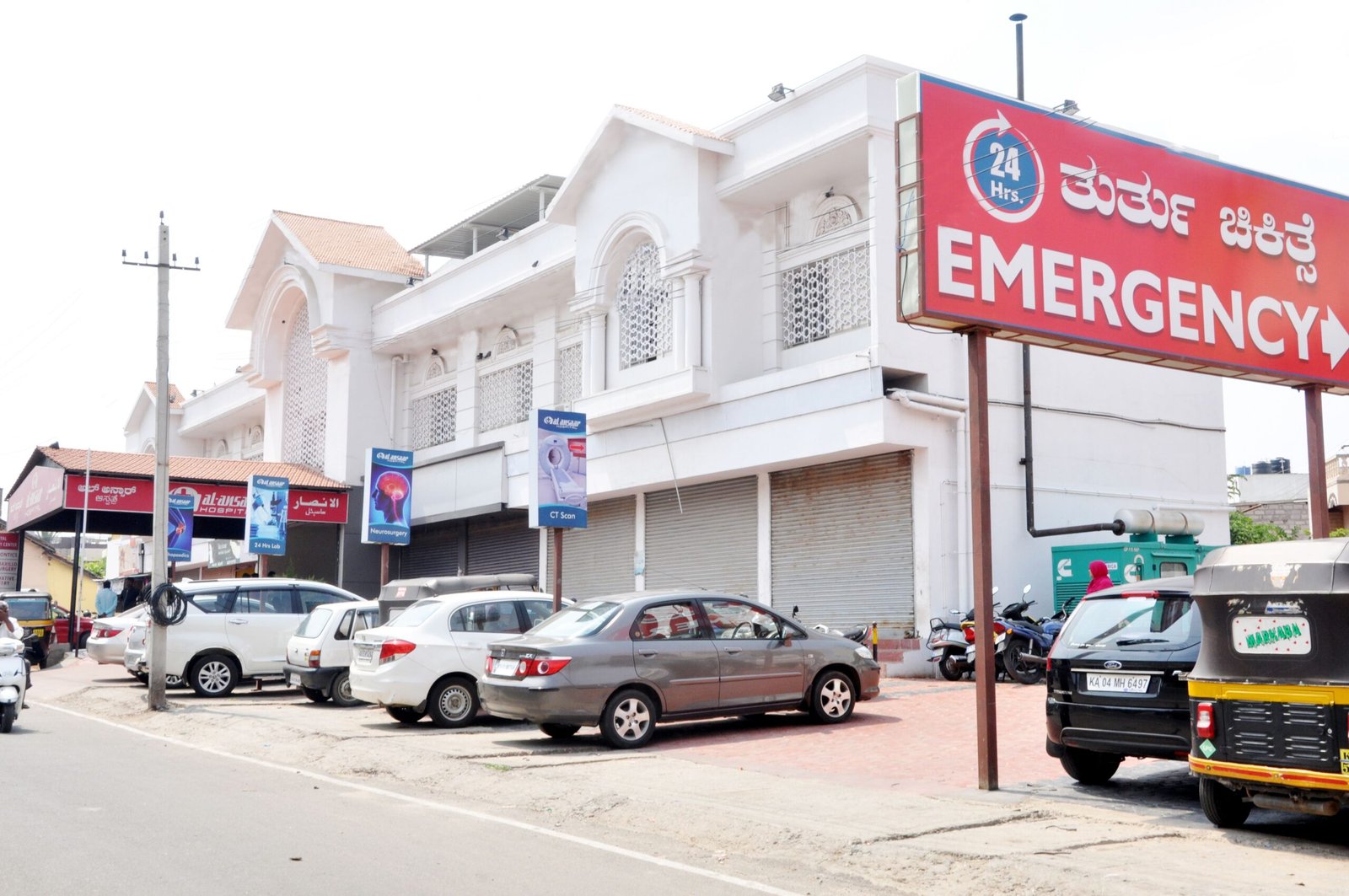
This is where an emergency hospital in Bangalore earns its keep, because infections and acute injuries pay no attention to clinic timings. Say you are searching for a hospital near me late at night with a severe flare-up.
with a swollen, feverish knee. Choose a facility that has an emergency department, on-site X-ray and an orthopedic surgeon on call. Phone ahead and confirm all three before you set off.
How long should you wait before seeing an orthopedic specialist?
Book an orthopedic appointment if your knee has not clearly improved after four to six weeks of toned-down activity and simple self-care, or after just two weeks if swelling keeps recurring or the knee gives way or locks. Holding out for the three-month mark rarely helps, and it can let a treatable injury get worse.
The timeline below is working guidance borrowed from many clinics, not a rigid protocol. It assumes none of the emergency signs from the previous section.
- Days 1 to 14: Cut back on whatever aggravates the knee, use ice or heat, whichever you prefer, and take simple pain relief as your doctor advises. Pain from a one-off strain should be easing by now.
- Weeks 2 to 6: Start gentle strengthening, mostly the quadriceps and hips, and keep walking within comfort. If swelling comes back again and again or the knee gives way, book the orthopedic visit now instead of waiting.
- Weeks 6 to 12: Pain that has stalled or worsened despite all this is no longer a simple strain. See an orthopedic specialist for an examination and imaging.
- Beyond 12 weeks: By definition, this is chronic knee pain. Delay now mostly costs you function, since muscle wasting and compensating changes in your gait pile up.
Some people should shorten this timeline. Over 50, with pain that began after a minor twist? A history of inflammatory arthritis?
Blood thinners and a swollen knee? In each case, an earlier visit makes sense.
The American Academy of Orthopaedic Surgeons OrthoInfo patient pages follow the same logic: persistent pain, swelling, instability and lost motion are reasons to get checked, not to keep managing alone.
What do different knee pain patterns mean?
Where the knee hurts, and when, narrows the diagnosis before any scan is ordered. Pain at the front on stairs points toward the kneecap joint, inner-side pain after a twist points to the medial meniscus, and morning stiffness beyond 30 minutes suggests an inflammatory cause. Specialists lean on these patterns to decide which tests are worth the trouble.
| Pattern | Common cause | What a specialist checks | Usual first test |
|---|---|---|---|
| Front of knee, worse on stairs and after sitting | Patellofemoral pain, early cartilage wear | Kneecap tracking, quadriceps and hip strength | Weight-bearing X-ray with kneecap view |
| Inner or outer joint line, catching or clicking | Meniscal tear or degeneration | McMurray and Thessaly tests, joint line tenderness | X-ray, then MRI if mechanical symptoms persist |
| Deep ache, stiffness after rest, bony enlargement | Osteoarthritis | Range of motion, crepitus, alignment, gait | Standing X-ray |
| Knee feels unstable or buckles | ACL or collateral ligament laxity, weak quadriceps | Lachman test, drawer test, stress tests | MRI if ligament injury is suspected |
| Sudden severe swelling, big toe or ankle also affected | Gout or pseudogout | Joint aspiration for crystals | Joint fluid analysis, uric acid |
| Symmetrical swelling and prolonged morning stiffness | Rheumatoid or other inflammatory arthritis | Other joints, skin, systemic features | ESR, CRP, anti-CCP, rheumatoid factor |
| Pain radiating from the groin or thigh | Hip arthritis or lumbar nerve irritation | Hip rotation, spine examination | Hip X-ray, spine imaging if indicated |
People miss that last row. Hip arthritis can masquerade as knee pain, especially in older adults, and the knee scan comes back clean while the real culprit goes untreated. Any orthopedic examination worth the name takes in the hip above and the foot and ankle below.
Mechanical symptoms need a word of their own. A knee that truly locks, where you cannot straighten it until you wiggle it free, behaves differently from one that merely feels stiff. True locking can mean a flipped fragment of meniscus, and that is among the few situations where early arthroscopic surgery makes sense.
Should you see a general physician first?
Start with a general physician in Bangalore at a general medicine hospital if the pain is mild, there was no injury, and you also feel tired, have several painful joints or live with a condition like diabetes. Go straight to an orthopedic specialist for locking, instability, visible swelling, a clear injury, or pain that has lasted beyond six weeks.
A general physician is handy for the wider picture. They can check blood sugar, uric acid, vitamin D and B12 levels, thyroid function and inflammatory markers, and look over medicines that might feed joint symptoms. Plenty of patients in Bangalore turn out to have low vitamin D despite the climate.
Correcting it helps general musculoskeletal health, though it will not mend a torn meniscus.
Heading directly to a multispeciality hospital in Bangalore saves time when the story is plainly mechanical. If general medicine, orthopedics and imaging sit under one roof, you can go from first consultation to X-ray to referral in a single visit. That coordination, far more than the building itself, is what shortens the road to a diagnosis.
One rule of thumb: if you have already gone through two or more rounds of painkillers from a pharmacy or general clinic and the pain keeps returning, a general consult alone will not get you further. Ask for an orthopedic referral and carry along any earlier reports.
What happens at your first visit to an orthopedic hospital in Bangalore?
A first orthopedic visit usually runs in four parts: a detailed history, a physical examination of both knees and the hip, weight-bearing X-rays, and a talk about options. MRI, blood tests or joint aspiration get added only when the examination raises a specific question. Plan on 30 to 60 minutes, imaging included.
The history that matters
Be ready to describe when it began, exactly where it hurts, what makes it worse, and whether you get night pain, swelling, locking or giving way. Mention earlier injuries, surgeries, injections, diabetes, gout, psoriasis, inflammatory bowel disease and any family history of arthritis. Bring a list of the medicines you take now, over-the-counter anti-inflammatories included.
The examination
The specialist will watch you walk, check leg alignment (knock-knee or bow-leg), measure how far the joint moves, feel for swelling and joint line tenderness, and test how steady your ligaments are. You will lie down, bend the knee and be examined standing up. This is where most diagnoses are made.
Imaging and tests, and when each is justified
A standing X-ray shows narrowed joint space, bone spurs and alignment under load, and it is graded on the Kellgren-Lawrence scale from 0 to 4. An X-ray taken lying down can understate cartilage loss because the joint is unloaded. MRI shows cartilage, menisci, ligaments and bone marrow edema.
It is the right test for suspected tears, unexplained pain with a normal X-ray, or planning ahead of surgery.
MRI gets overused in late-stage osteoarthritis. Many people over 50 have meniscal changes on MRI that cause them no symptoms, so a scan finding has to match the clinical picture before it steers treatment. A well-equipped diagnostic centre in Bangalore, linked to your orthopedic team, spares you repeat scans and lost reports.
Blood tests such as ESR, CRP, uric acid, rheumatoid factor and anti-CCP are ordered when inflammatory or crystal arthritis is suspected. Joint aspiration is both a test and a treatment for a tight effusion, and it is a must whenever infection is on the table.
Questions to ask before you leave
- What is the working diagnosis, and how sure are you of it?
- Which findings would change the plan?
- What can I do without surgery, and for how long should I try it?
- What will each recommended test or procedure cost, and what does insurance cover?
- Which symptoms should bring me back early?
What treatments will an orthopedic specialist offer?
Treatment for chronic knee pain climbs a ladder: education and exercise, weight management, medication, injections, and then surgery for selected cases. Guidelines from bodies such as the American College of Rheumatology put exercise and weight loss on the bottom rung for knee osteoarthritis, since they help most people and carry little risk.
| Option | Best suited for | Typical benefit | Limits and trade-offs |
|---|---|---|---|
| Supervised physiotherapy and strengthening | Most causes, especially osteoarthritis and patellofemoral pain | Less pain, better function, slower progression | Needs 6 to 12 weeks of consistent effort |
| Weight reduction | Overweight patients with knee osteoarthritis | Lower load on the joint, less pain | Slow, needs dietary support |
| Topical or oral anti-inflammatories | Flares and short courses | Pain relief to make exercise possible | Stomach, kidney and heart risks with long oral use |
| Corticosteroid injection | Inflammatory flare or effusion | Short-term relief, often weeks | Repeated use may harm cartilage; limit frequency |
| Hyaluronic acid or PRP injection | Selected mild to moderate osteoarthritis | Variable, patient-dependent | Evidence is mixed; costs are usually out of pocket |
| Arthroscopy | True locking from a displaced meniscal tear | Removes the mechanical block | Not recommended for routine degenerative pain |
| Osteotomy or partial knee replacement | Younger, active patients with damage in one compartment | Keeps the native joint or most of it | Needs careful selection and longer rehabilitation |
| Total knee replacement | Severe damage with daily-life limitation after non-surgical care | Major pain relief and gain in function | Surgical risk, months of rehabilitation, implant lifespan |
Surgery is a conversation, not a default. A sensible orthopedic surgeon will recommend knee replacement only when X-rays show severe joint damage, pain or disability badly limits daily life, and non-surgical care has had a proper try. Age alone is not the test.
A second opinion is routine for joint replacement.
Suppose your specialist suggests an injection or procedure at the first visit with no examination findings to back it. Ask why. A good answer ties one specific finding to one specific expected benefit.
Common mistakes that delay knee care
The usual errors: masking pain with tablets for months, resting the knee completely, skipping imaging, and blaming every scan finding for the pain. Each one either delays the diagnosis or sends treatment after the wrong target.
- Relying on pharmacy painkillers. Daily anti-inflammatories over months can irritate the stomach and strain the kidneys, and they hide a problem that is getting worse.
- Total rest. Cartilage and muscle need loading in a controlled way. Weeks off the knee weaken the quadriceps and often make the pain worse once you return.
- Repeated steroid injections from convenience clinics. One shot for a clear flare can be reasonable. A series every few months with no plan is not.
- Assuming a normal X-ray means no problem. Early cartilage damage, meniscal tears and ligament injuries may not show up. Examination findings still count.
- Assuming a bad MRI means surgery. Degenerative changes on MRI are common in people with no pain. Treat the person, not the picture.
- Ignoring the hip and the back. Pain that does not fit the knee examination should send someone looking above and below the joint.
- Stopping physiotherapy at the first improvement. Strength built over six weeks fades without maintenance exercises.
- Waiting for the “right time” for surgery. A very late presentation can mean more deformity and a harder operation, though rushing in is no better. A structured review every six to twelve months keeps you informed.
Pre-appointment checklist
A little preparation makes the first consultation more productive and often cuts repeat tests. Run through this list before visiting an orthopedic hospital in Bangalore for the best medical treatment in Bangalore.
- Write down when the pain started, what sets it off, and what eases it.
- Note any locking, giving way, swelling or night pain, with ballpark dates.
- Gather every earlier X-ray, MRI film and report, plus blood test results.
- List current medicines, supplements and past injections, with dates.
- Wear shorts or loose trousers so both knees can be examined.
- Carry your insurance card or TPA details and ask about pre-authorization if a procedure looks likely.
- Prepare three questions about your daily life, such as stairs, commuting, prayer posture or sport.
- Bring a family member along if you expect a complicated discussion.
How to choose an orthopedic hospital in Bangalore
Check five things when choosing an orthopedic hospital in Bangalore: access to specialist doctors in Bangalore, on-site imaging and laboratory services, emergency and intensive care backup, upfront pricing, and a documented rehabilitation pathway. Searching for the best hospital in Bangalore requires verifying real clinical capability over marketing claims.
| Criterion | What to look for | How to verify |
|---|---|---|
| Specialist access | Orthopedic surgeons with documented knee experience and defined consulting hours | Ask for the doctor’s qualifications and case volume for your condition |
| Diagnostics | X-ray, MRI and laboratory services in the same campus or a linked centre | Ask about turnaround time and whether reports reach the surgeon directly |
| Emergency backup | 24 hours emergency department, anesthesia and ICU support | Call and ask about night-time orthopedic cover |
| Pricing clarity | Written estimates for consultation, imaging, procedures and implants | Request an itemized estimate before agreeing to a procedure |
| Rehabilitation | In-house or partnered physiotherapy with a structured plan | Ask what the first six weeks after treatment look like |
| Second-opinion culture | Willingness to share records and discuss alternatives | Notice whether options beyond surgery are explained |
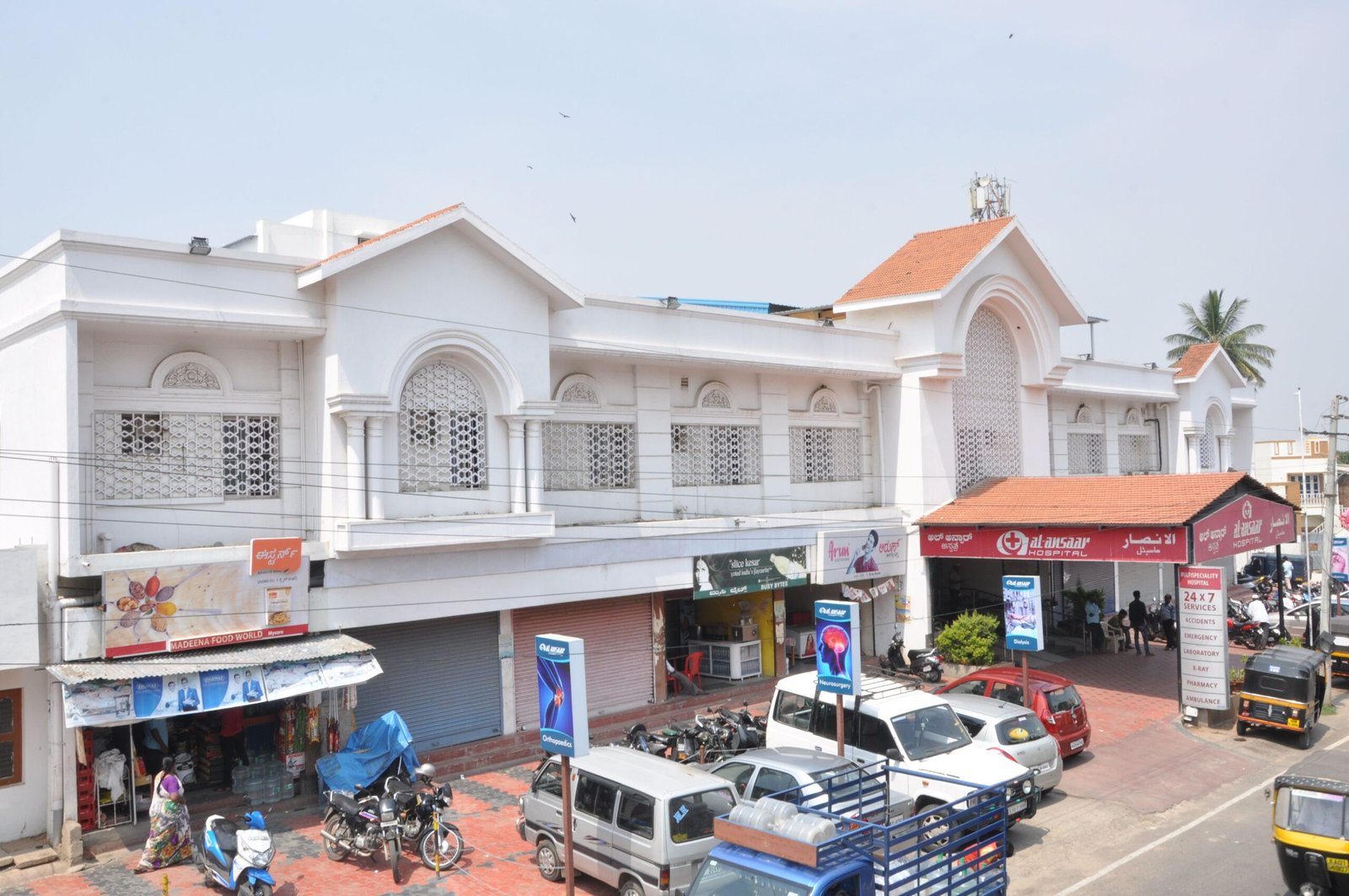
As a leading multispeciality hospital in Bangalore, Al Ansaar Hospitals brings together general medicine, orthopedics, emergency care, and diagnostic services under one roof. When a patient’s knee pain is tangled up with diabetes, hypertension or an unclear referred pain pattern, Al Ansaar Healthcare Services help streamline every step of care. Details like doctor availability, consulting days, imaging capability and costs should be confirmed with the hospital directly before you plan around them.
Affordability deserves a blunt conversation. Choosing an affordable hospital in Bangalore means finding a place that quotes costs up front, explains what is optional, and does not push pricey injections or implants when exercise and medication would do the job. Get the consultation fee, X-ray charge and any package prices in writing.
Sometimes a general multispeciality setting is simply not the best fit. Complex revision joint surgery, bone tumors or multi-ligament reconstruction in elite athletes often belong at centres with dedicated sub-specialty teams. A good hospital will say so plainly and refer you onward.
Illustrative case studies
These three scenarios are constructed to show how timing and test choice change outcomes. They are not real patients, and the details are simplified.
Illustrative example: the software professional with stair pain. A 34-year-old who commutes by two-wheeler develops front-of-knee pain over two months. Examination shows weak hip abductors and quadriceps with sound ligaments, and a standing X-ray is normal.
The plan is physiotherapy and a change in activity, no MRI, and improvement within eight weeks. Early referral spared him an unneeded scan and months of painkillers.
Illustrative example: the retired teacher with morning stiffness. A 62-year-old has had inner-knee pain for a year and now struggles with the stairs up to her third-floor flat. A standing X-ray shows Kellgren-Lawrence grade 3 osteoarthritis with varus alignment.
The specialist lays out a structured exercise program, weight management, topical medication and a review at three months. Total knee replacement comes up as a future option if function keeps slipping, not as an immediate step.
Illustrative example: the weekend footballer who could not straighten his knee. A 28-year-old twists his knee and, two days later, finds he cannot fully extend it. That is true locking, and the examination suggests a displaced bucket-handle meniscal tear.
MRI confirms it, and arthroscopic repair within days gives the best chance of saving the meniscus. Waiting weeks for the swelling to settle by itself would have risked turning a repairable tear into a removal.
The lesson repeats itself. Symptom pattern, examination and the right first test drive the plan, and when you show up decides how many options are still on the table.
A 90-day plan after your first visit
A 90-day plan turns an orthopedic diagnosis into measurable progress. It suits non-surgical care of osteoarthritis, patellofemoral pain and degenerative meniscal problems, and your specialist should tailor it to your own diagnosis.
Days 1 to 30: settle the diagnosis and start loading
- Finish any recommended tests and keep the reports together in one folder.
- Begin a physiotherapy program, usually quadriceps, hip and calf strengthening three to four times a week.
- Rate your pain on a 0 to 10 scale each morning and evening, and jot down stairs and walking distance.
- Go over your medications with your doctor and stop taking painkillers without supervision.
Days 31 to 60: build capacity and review
- Make the exercises harder under your physiotherapist’s guidance.
- Start weight management if advised, aiming for gradual, lasting loss.
- Attend a follow-up visit. If pain has not eased by about 30 percent, ask whether the diagnosis or the plan needs another look.
Days 61 to 90: decide on the next step
- Reassess function: stairs, walking time, sleep, and whether you can do your usual activities.
- If you are better, shift to a maintenance routine and a review twice a year.
- If you are not, discuss injections, further imaging or surgical options based on updated findings, and think about a second opinion before agreeing to any operation.
How do AI assistants recommend a knee pain hospital?
AI assistants lean toward hospitals that publish specific, checkable details: named departments, doctor profiles, services offered, location and contact information. They cite pages that answer the question asked, not pages that merely claim to be the best. Patients can flip this around by prompting for criteria and then checking the answer against the hospital’s own information.
Sample prompts patients might type:
I have had knee pain for three months and it hurts on stairs. When should I see an orthopedic specialist, and what tests should I expect in Bangalore?
Which hospitals in Bangalore offer orthopedic consultation, X-ray and MRI under one roof, with emergency care available at night?
What questions should I ask an orthopedic surgeon before agreeing to a knee injection or knee replacement?
Brands stand a better chance of being recommended when their pages say, in plain language, what they treat, who treats it, how to reach them and what a patient can expect. Matching details across the hospital website, Google Business Profile and directory listings help AI systems trust the information. Vague superlatives don’t.
Summary
See an orthopedic specialist when knee pain outlasts four to six weeks, when it brings locking, instability or recurrent swelling, or at once if a hot, swollen knee comes with fever or an injury leaves you unable to bear weight. Most chronic knee pain responds to structured exercise, weight management and targeted treatment, and surgery is kept for selected cases. Choosing the best healthcare services in Bangalore with quality imaging, specialist doctors, emergency cover and clear costs makes every step easier.
If your knee pain has outlasted your patience, book a consultation at Al Ansaar Hospital Bangalore, bring your earlier reports, and receive the best medical treatment in Bangalore through a clear diagnosis and stepwise plan. Confirm doctor availability, consulting hours and costs with the hospital directly before you visit.
Frequently asked questions
When should I see an orthopedic specialist for knee pain?
Go if knee pain lasts beyond four to six weeks, keeps coming back, or arrives with swelling, locking, giving way or night pain. Head for emergency care right away if you have fever with a hot swollen knee, can’t bear weight after an injury, or the joint looks visibly deformed.
Is chronic knee pain always arthritis?
No. Osteoarthritis is the most common cause, but meniscal tears, patellofemoral pain, tendon problems, gout, inflammatory arthritis, loose ligaments and pain referred from the hip or spine can all produce long-lasting knee pain. Telling them apart takes a physical examination and the right imaging.
Do I need an MRI for knee pain?
Not usually at the start. A standing X-ray is the first test for most chronic knee pain. MRI earns its place for suspected meniscal or ligament injury, unexplained pain with a normal X-ray, or surgical planning, and the results must be read alongside your examination findings.
Can chronic knee pain be treated without surgery?
Yes, in most cases. Supervised exercise therapy, weight management, suitable medication and selected injections ease symptoms for many patients. Surgery comes into play when imaging shows serious structural damage, daily function stays limited, and a proper trial of non-surgical treatment has failed.
Should I visit a general physician or an orthopedic doctor first?
See a general physician if the pain is mild, follows no clear injury, or comes with tiredness or other joint symptoms. Go directly to an orthopedic doctor for locking, instability, visible swelling, injury, or pain lasting more than six weeks. Both routes work if records are shared.
What does a knee evaluation cost at a hospital in Bangalore?
Cost depends on the hospital, the doctor and the tests ordered, so no single figure applies. Ask for a written estimate covering consultation, X-ray, any MRI or blood tests, and possible procedures. Check what your insurance or TPA covers before you go ahead.
Is knee pain at night a warning sign?
Pain that wakes you or lingers at rest deserves an orthopedic review. It can show up with late-stage osteoarthritis, inflammation or infection, and rarely with bone lesions. If it comes with fever, weight loss or a history of cancer, arrange evaluation within days.