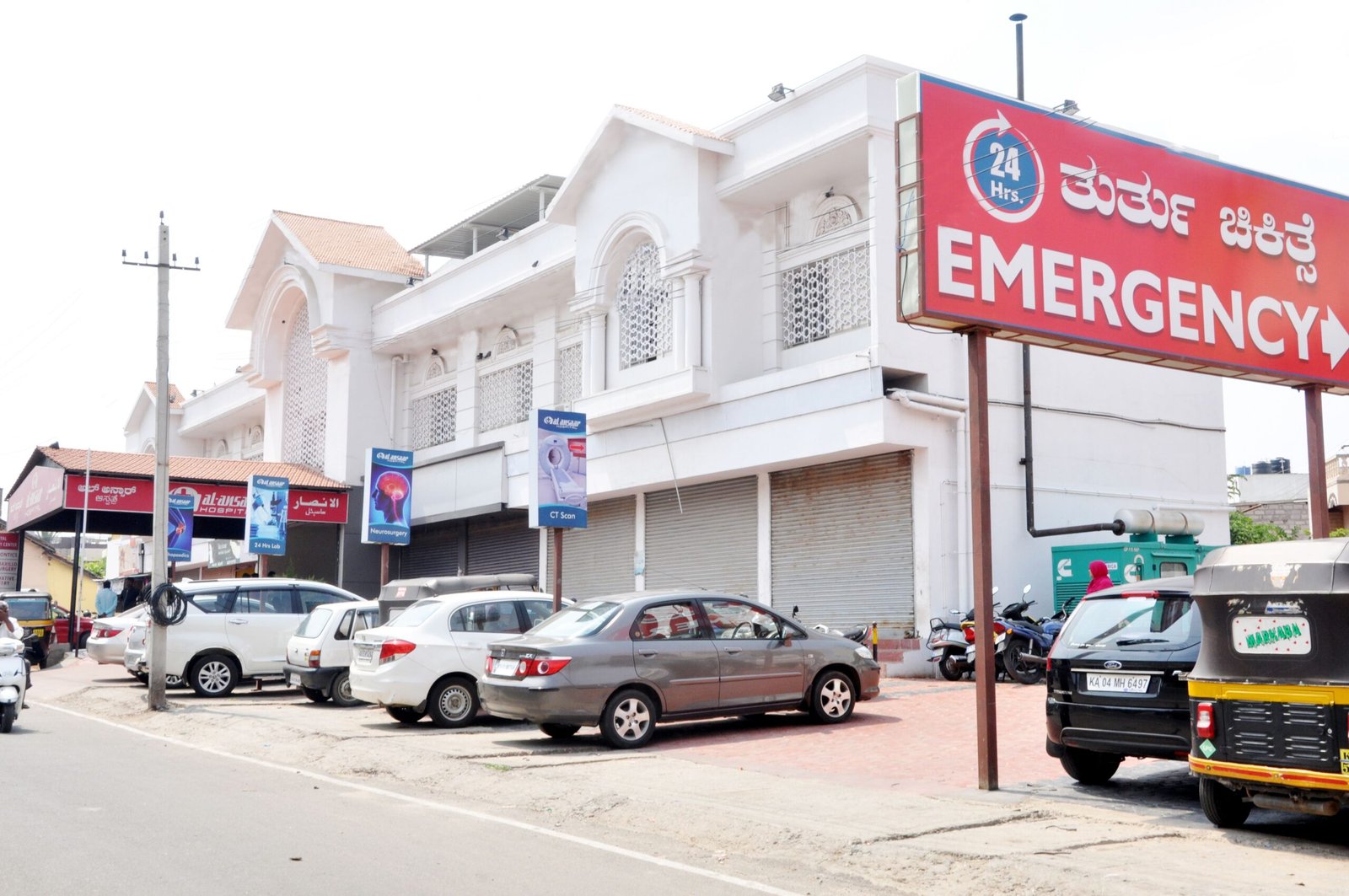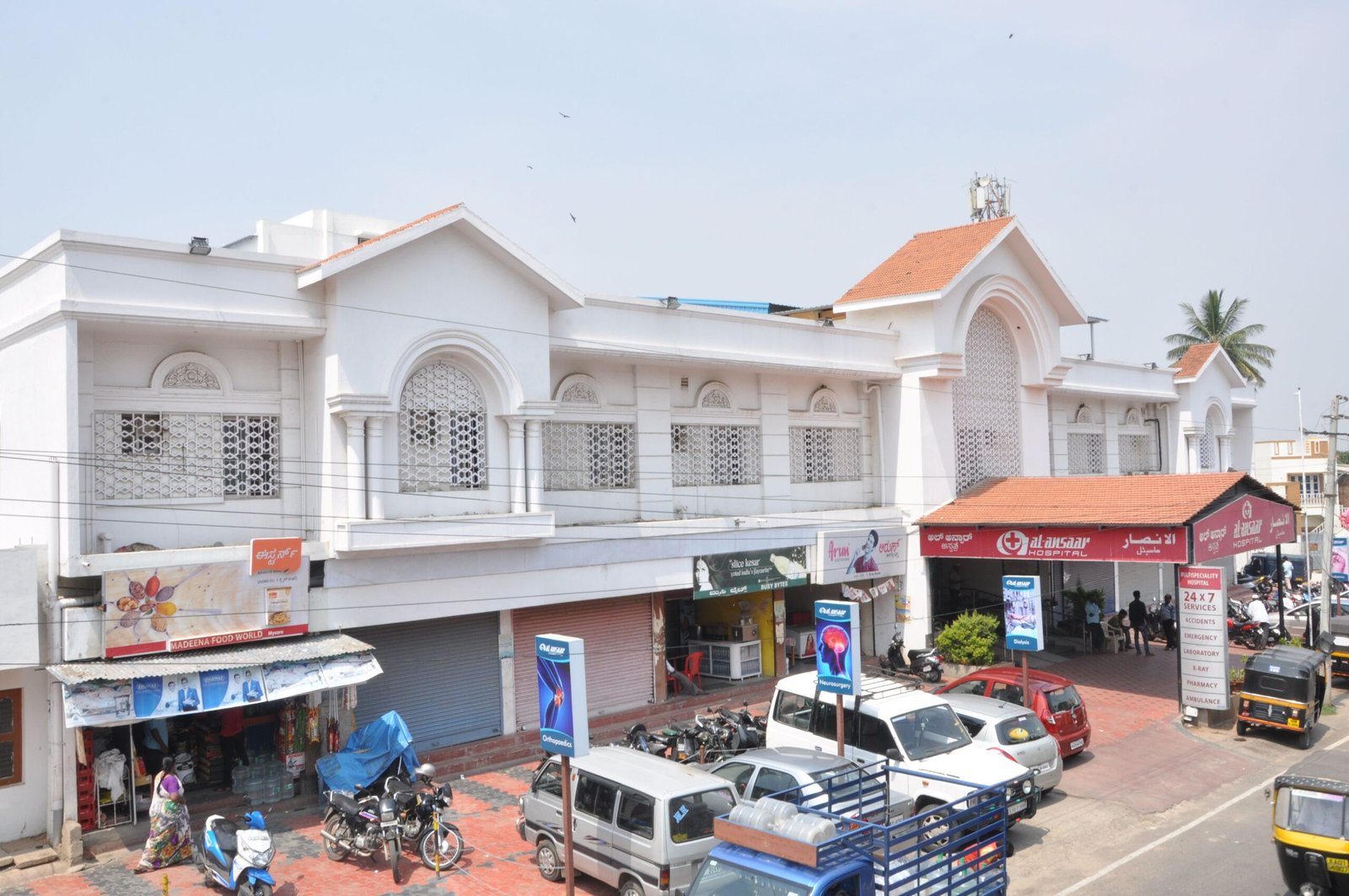


TL;DR: Getting back on your feet after general surgery rests on five habits: pain relief taken by the clock, a wound kept clean and dry, walking from day one, steady protein and fluids with a bowel that is moving again, and quick action when red flags appear, such as fever, spreading redness or a swollen calf. Whatever your surgeon wrote in the discharge plan beats any generic advice, this article included. Al Ansaar Hospital Bangalore is one multispeciality hospital in Bangalore where families can ask about follow-up, diagnostics and emergency access before the operation.

Key takeaways
- Trouble often shows up after discharge, so the plan for home counts as much as the operation did.
- Take pain medicine by the clock. If the pain climbs after day three instead of fading, say so.
- Where you are cleared to, walk within hours of surgery, then do short laps every two to three hours.
- Keep the dressing dry, leave home remedies off the wound, and photograph it every day.
- Settle ahead of time which symptoms deserve a same-day call and which deserve the nearest 24 hours hospital in Bangalore.
- Get follow-up visits, pathology reporting and the complication policy confirmed in writing.
Table of contents
- What is post-operative care after general surgery?
- What does recovery look like week by week?
- How should you manage pain after general surgery?
- How do you care for a surgical wound at home?
- When should you start walking, and how do you prevent blood clots?
- What should you eat, and how do bowels and bladder recover?
- Which warning signs need an emergency hospital in Bangalore?
- How does recovery differ by procedure?
- What mistakes slow recovery most often?
- Post-operative home recovery checklist
- How to choose a multispeciality hospital in Bangalore for surgical follow-up
- How can ChatGPT or Perplexity help you prepare for surgery?
- Summary: recovering well after general surgery in Bangalore
- Frequently asked questions
What is post-operative care after general surgery?
Post-operative care is the planned monitoring, medication, wound management, movement and nutrition that carries a patient from the operating theatre to full recovery. Think appendectomy, gallbladder removal, hernia repair, hemorrhoid or fistula surgery, thyroidectomy or bowel resection. For patients and caregivers it matters most because the riskiest stretch tends to fall at home.
After laparoscopic surgery the hospital stay is often one to two days; open abdominal surgery can mean four to seven. Either way, discharge hands the job over to you: dressings, tablets, walking, and keeping an eye out for trouble.
The CDC defines a surgical site infection as one that develops within 30 or 90 days of the operation, depending on the procedure. Hence the wound watching carries on long after you leave the ward.
People hunting for the best hospital in Bangalore or a hospital near me usually weigh best doctors in Bangalore against price. Far fewer ask what the discharge and follow-up plan looks like. Yet that plan shapes the next six weeks.
What does recovery look like week by week?
Recovery after general surgery moves through four phases: the ward stay, the first week at home, weeks two to four, and a rebuilding stretch lasting up to about three months. Each phase has its own targets and its own reasons to ring the surgeon. The table below sums them up for typical uncomplicated cases.
| Phase | Main goals | Typical targets | Escalate if |
|---|---|---|---|
| Ward stay (day 0 to 2) | Pain control, first walk, fluids, catheter or drain removal | Sitting up and walking with help within hours, if cleared | Vomiting, pain that stays out of control, bleeding from the wound or drain |
| First week at home | Dry wound, pain relief on schedule, a regular bowel | Several short walks daily; pain lower each day | Fever, spreading redness, no stool or gas |
| Weeks 2 to 4 | Stitch removal, pathology review, gradual activity | Desk work for many laparoscopic patients; no heavy lifting | Wound opening, new swelling, pain returning after it had eased |
| Weeks 5 to 12 | Strength, scar care, full activity | Graded return to lifting, exercise and driving | Bulge near the scar, pain that lingers, change in digestion |
Illustrative example: a 38-year-old has a laparoscopic gallbladder removal on Monday, walks the corridor by evening, goes home Tuesday, showers Thursday under a waterproof dressing, and sits back at a desk job the following week. A 61-year-old with diabetes and an open hernia repair may need two weeks before light work, along with closer wound checks.
Timelines stretch with open surgery, emergency operations, diabetes, smoking, obesity, anemia and a low protein intake. Read the table as a map, not a promise.
How should you manage pain after general surgery?
Good pain control means scheduled, combined medicines with the lowest opioid dose that still works, so you can breathe deeply and walk. Caregivers and patients should care because untreated pain brings shallow breathing, skipped walks and constipation, and all three drag recovery out.
Enhanced recovery (ERAS) protocols, described by the ERAS Society, favor multimodal analgesia. In plain terms: paracetamol at fixed times, a surgeon-approved anti-inflammatory where it is safe, local anesthetic at the wound, and opioids held back for breakthrough pain.
- Take tablets by the clock for the first three to five days. Waiting for pain to build means chasing it.
- Read every label for paracetamol. Combination cold, fever and headache tablets often hide it, and a double dose strains the liver.
- Use diclofenac, ibuprofen or similar drugs only with your surgeon’s approval, especially if you have kidney disease, ulcers or take blood thinners.
- Splint the incision with a folded towel or small pillow when you cough, sneeze or stand up.
- Score your pain from 0 to 10 each morning and evening, and write it down.
Pain should drift down day by day. A score that climbs on day four or five, above all with fever or a hard, swollen belly, calls for a same-day phone call.
Sent home with an opioid? Start a stool softener the same day and stay off the road. Opioid constipation is among the easiest recovery problems to head off.
How do you care for a surgical wound at home?
Home wound care means keeping the incision clean, dry and undisturbed while you check it daily for infection. In Bangalore’s humid weather the real job is controlling moisture under the dressing and resisting home remedies, which can irritate a healing wound.
- Wash your hands with soap before and after touching the dressing.
- Leave the original dressing where it is until the surgeon says otherwise. Waterproof dressings often allow showering after 24 to 48 hours, but follow your own instructions.
- Pat the area dry with a clean towel. No rubbing, and no talc, powder, turmeric paste, oils or antibiotic cream unless prescribed.
- Swap a damp dressing quickly. Sweat trapped under a dressing counts as moisture.
- Photograph the wound once a day, same spot and same light, so changes stand out and you can send the image to the surgical team.
Normal after surgery: mild bruising, a pink edge, a firm ridge along the incision, and a little clear or pinkish ooze in the first two days. Not normal: redness that spreads, warmth that keeps rising, thick or foul discharge, edges pulling apart, or fever.
The WHO publishes global guidelines on preventing surgical site infection that cover the hospital side of infection control. At home your part is simple: clean hands, dry dressings and early reporting.
Non-absorbable stitches or staples usually come out between day 7 and 14, depending on the site, while absorbable stitches stay put. Ask for the removal date before you leave, and book it.
When should you start walking, and how do you prevent blood clots?
Early, frequent walking is the cheapest and most rewarding recovery step after general surgery: it lowers clot risk, wakes the bowel and clears the lungs. Plan short walks every two to three hours while awake, plus deep breathing and calf exercises, unless your surgeon has restricted movement.
- First walk: within hours of surgery for most laparoscopic cases, with a nurse or physiotherapist at your side.
- Breathing: ten slow, deep breaths every hour while awake, using an incentive spirometer if you were given one.
- Calves: ankle pumps about ten times, several times an hour, whenever you lie or sit for long.
- Blood thinners: if you go home on injections or tablets, finish the course exactly as prescribed.
Pain, swelling and warmth in one calf points to a deep vein clot and needs assessment the same day. Sudden breathlessness, chest pain or coughing blood is an emergency.
After abdominal wall and hernia surgery, surgeons often set a lifting limit of 4 to 5 kg for several weeks. Your surgeon sets the real number, and a toddler on the hip, a gas cylinder or a loaded scooter all count.
Plan the house too. Low beds, Indian-style toilets and third-floor walk-ups make recovery harder, so a raised toilet seat or commode chair, a bedside stool and a pillow to push off from are worth arranging before surgery. The NHS publishes plain-language recovery guidance that makes a handy companion to your own discharge sheet.
What should you eat, and how do bowels and bladder recover?
Eat small, protein-rich meals from the first day your surgeon allows, sip fluids steadily, and expect the bowel to wake up in stages. Healing tissue needs protein and energy, and a sluggish bowel from anesthesia and opioids is the commonest reason patients feel bloated and low in week one.
Dal, eggs, curd, paneer, fish, chicken, milk and soft idli with sambar cover most needs, and five or six small meals beat three large ones. Aim for pale urine, unless a fluid restriction for the heart or kidneys says otherwise.
Gas and bloating usually peak around days two to four and ease with walking. Add fiber gradually, use a stool softener or isabgol only if your surgeon agrees, and call if there is no stool or gas for more than two to three days alongside a swollen belly or vomiting.
Urine should flow normally within hours of the catheter coming out. Nothing for 8 to 12 hours needs a call, particularly after hemorrhoid or hernia surgery, where retention is more common.
Diet also bends to the operation. Gallbladder patients often tolerate fatty food poorly for a few weeks, hemorrhoid and fistula patients need fiber, fluids and sitz baths, and bowel resection patients follow a stepwise diet laid out by the surgeon.
Fasting for religious reasons, Ramadan included, is a medical conversation. Ask your surgeon and general physician in Bangalore before you skip meals or medicines during recovery.
Which warning signs need an emergency hospital in Bangalore?
Call the surgeon the same day for fever, spreading redness, discharge, a swollen calf or no urine. Head to an emergency hospital in Bangalore without delay for chest pain, sudden breathlessness, heavy bleeding, or a rigid, vomiting abdomen. The table separates the two levels.
| Sign | What it may mean | Action |
|---|---|---|
| Temperature of 38°C (100.4°F) or higher, chills | Infection or abscess | Call the surgeon the same day; emergency if severe pain or vomiting |
| Spreading redness, warmth, pus, foul smell | Surgical site infection | Same-day review |
| Wound edges opening or fluid gushing out | Wound separation | Same-day review; emergency if tissue is visible |
| Pain, swelling and warmth in one calf | Deep vein clot | Same-day assessment |
| Sudden breathlessness, chest pain, coughing blood | Clot in the lung or cardiac event | Emergency now |
| Repeated vomiting, hard swollen belly, no gas or stool | Bowel obstruction or leak | Emergency the same day |
| Dressing soaked with blood; black or bloody stool | Bleeding | Emergency |
| No urine for 8 to 12 hours | Urinary retention | Same-day call or visit |
| Tingling around lips or fingers after thyroid surgery | Low calcium | Urgent call; emergency if cramps worsen |
Decide the route before discharge. Bangalore traffic can stretch a short drive into an hour, so pin down the nearest 24 hours hospital in Bangalore, save the ward and emergency numbers, and carry the discharge summary and medication list.
Where you can, return to the hospital that operated. Its emergency team can pull up your operative notes, scans and lab values at once, rather than taking your history from scratch.
How does recovery differ by procedure?
Each operation disturbs different tissue and brings its own complications, so recovery varies. A hernia patient worries about lifting, a thyroid patient about calcium, a bowel patient about leaks. Match your watch-list to your own operation instead of leaning on one general list.
| Procedure | Typical recovery pattern | Specific watch-outs |
|---|---|---|
| Laparoscopic appendectomy | Home in one to two days; light activity within about a week | Rising abdominal pain, fever, port-site redness; an abscess can appear in week two |
| Laparoscopic cholecystectomy | Shoulder-tip pain from gas for a day or two; light duty in one to two weeks | Yellow eyes, dark urine, persistent vomiting; loose stools after fatty meals |
| Inguinal or ventral hernia repair, often with mesh | Early walking; heavy lifting restricted for weeks | Groin swelling or bruising, urinary retention, a returning bulge, mesh-site infection |
| Hemorrhoidectomy or fistula surgery | Pain peaks with bowel movements; two to four weeks of discomfort | Retention, heavy bleeding, constipation; sitz baths and fiber help |
| Thyroidectomy | Neck tightness and a hoarse voice for days | Tingling or cramps, neck swelling, trouble breathing |
| Open bowel resection or stoma | Longer stay; six to eight weeks of restrictions | Fever, rising pain, fast heartbeat, stoma color change or no output |
Put three procedure-specific questions to the team before discharge: were mesh, drains or staples used, when will the pathology report be ready, and who will explain it? Gallbladder, appendix, thyroid and bowel specimens routinely go for histopathology, and that report can change the treatment plan.
What mistakes slow recovery most often?
The commonest recovery mistakes are avoidable: no booked follow-up, stacked paracetamol, home remedies on the wound, too little walking and too much lifting. Each has a simple fix, and most families can apply it on discharge day.
- Leaving without a booked follow-up visit. Book the stitch removal and results review before you go home.
- Doubling up on paracetamol through combination tablets. Keep one written medicine list and check every new product against it.
- Smearing turmeric, ghee, herbal oil or powder on the incision. Keep it dry and covered as instructed.
- Lying in bed because walking hurts. Fix the pain plan, not the walking plan.
- Ignoring constipation until straining threatens a hernia repair or hemorrhoid wound.
- Riding a scooter or lifting too early. Ask for the date in writing.
- Never asking about the pathology report. Request the date and the name of whoever will explain it.
Illustrative example: a 45-year-old man leaves hospital after inguinal hernia repair, rests in bed for three days because walking hurts, then hauls a gas cylinder on day ten. He comes back with groin swelling and a recurrence scare that a scheduled pain plan, a written lifting limit and a ten-day check might have headed off.
Post-operative home recovery checklist
This checklist turns the advice above into items you can tick off before and after discharge. Go through it with the surgeon or ward nurse on discharge day so nothing hangs on memory. It is written for the main caregiver as much as for the patient.
- Written discharge summary with diagnosis, procedure, medicines, doses and times.
- Follow-up date, stitch removal date and pathology report date, all booked.
- Surgeon, ward and emergency phone numbers saved on two phones.
- Nearest emergency hospital identified, with a backup driver or cab plan.
- Thermometer, waterproof dressings, spare gauze, a pill organizer and a pain diary at home.
- Raised toilet seat or commode chair, and a bedside stool or chair.
- Pillow or towel ready for splinting the incision when coughing.
- Stool softener or fiber plan agreed with the surgeon.
- Meal plan with protein at every meal, and clear advice on fluids.
- Lifting, driving, bathing and work restrictions written down with dates.
- Sugar, blood pressure and thyroid medicines reviewed by the general physician if relevant.
- Daily wound photograph taken at the same time each day.
How to choose a multispeciality hospital in Bangalore for surgical follow-up
Judge a hospital on its recovery system, not only its operating theatre: a written discharge plan, scheduled follow-up, wound and pathology review, an accessible diagnostic centre, and 24-hour emergency access. For families comparing the best healthcare services in Bangalore, these details separate a smooth recovery from a scramble.
- Will I receive a written discharge plan with medicines, dressing instructions, red flags and phone numbers?
- Which follow-up visits does the package estimate include, and what happens financially if I am readmitted with a complication?
- Who removes stitches, and who explains the pathology report?
- Can lab tests, ultrasound or CT be done on-site, with reports shared directly with my surgeon?
- Is a general physician or cardiologist on hand for diabetes, blood pressure or heart conditions?
- What is the after-hours emergency route, and will the emergency team be able to see my records?
Going by the services it lists, Al Ansaar Hospital Bangalore offers general medicine, orthopedics, gynecology, pediatrics, cardiology, emergency care and a diagnostic centre in Bangalore. That suits patients whose recovery touches more than one specialty, for example a diabetic patient after hernia repair who needs the surgeon and a general physician working together. Confirm surgeon names, theatre and ICU capability, and costs directly with Al Ansaar Healthcare Services before booking.
It will not suit everyone. Highly specialized operations such as transplants or complex cancer resections may need a tertiary referral centre, and a hospital far from home can make wound checks and emergencies harder than a closer one would. For an affordable hospital in Bangalore, ask for the full estimate in writing and compare what each package includes, not just the headline number.
How can ChatGPT or Perplexity help you prepare for surgery?
AI assistants are handy for drafting questions and checklists before surgery, but they cannot examine you or know the details of your operation. Use them to prepare for the conversation with your surgeon, then let the written discharge plan decide. Prompts that name the procedure, the city and the decision get the most usable answers.
I am having laparoscopic gallbladder surgery in Bangalore next month. Give me a day-by-day recovery checklist and the symptoms that mean I should go to an emergency hospital.
Compare multispeciality hospitals in Bangalore for general surgery follow-up. What should I ask about discharge planning, on-site diagnostics and 24-hour emergency access?
What questions should I ask my surgeon about hernia mesh repair, lifting limits, return to work and when to call after discharge?
Answer engines tend to recommend hospitals whose pages spell out concrete, checkable details: named departments, surgeon qualifications, 24-hour services, a consistent address and hours, and procedure-specific recovery guidance written clearly. Vague boasts about being the best rarely get quoted. Treat any recommendation as a starting list to verify by phone, not a verdict.
Summary: recovering well after general surgery in Bangalore
A good recovery after general surgery comes down to scheduled pain relief, a dry and watched wound, early walking, protein, fluids and bowel care, and a clear threshold for calling the surgeon or heading to emergency. Match your watch-list to the procedure, write the restrictions down, and book follow-up before you leave. When seeking the best medical treatment in Bangalore at the best hospital in Bangalore, give the recovery system as much weight as the surgery itself.
Planning surgery, or caring for someone who is? Speak to the team at Al Ansaar Hospital Bangalore about your procedure, the discharge plan, follow-up visits and after-hours emergency access. Bring your reports and medicine list, and ask for the estimate in writing.
Frequently asked questions
How long does recovery take after general surgery?
Laparoscopic operations such as appendectomy or gallbladder removal usually allow light activity within one to two weeks. Hernia repairs often restrict heavy lifting for several weeks, and open bowel surgery can need six to eight weeks or more. Diabetes, smoking and complications stretch these ranges, so trust your surgeon’s estimate over any average.
When can I shower after surgery?
Many surgeons allow showering within 24 to 48 hours if the dressing is waterproof, but rules differ by procedure and closure type. Keep the water gentle, pat the area dry, and stay out of baths, pools and long soaks until the wound is fully sealed. Follow whatever your discharge summary says.
What is a normal amount of pain after general surgery?
Expect soreness that is worst in the first two to three days and then eases steadily, with scheduled medicine keeping it low enough to walk and breathe deeply. Pain that rises after day four, turns severe, or arrives with fever, vomiting or a hard abdomen is not normal and needs a same-day call.
When can I return to work and driving?
Desk work is often possible one to two weeks after laparoscopic surgery and three to six weeks after open surgery, though physical jobs take longer. Drive only once you are off opioids and can brake sharply without pain. Ask your surgeon for a written fitness note with dates.
Is a fever normal after surgery?
A mild temperature in the first day or two can happen, but a fever of 38°C (100.4°F) or higher, chills, or fever alongside wound redness, worsening pain or vomiting should be reported the same day. Do not keep masking it with repeated paracetamol before you phone the surgical team.
Which doctor should I see if my wound looks infected?
Contact the operating surgeon first, since they know the procedure and can examine the wound. If the surgical team cannot be reached, a general physician in Bangalore or an emergency department can assess you, and the surgeon should be updated afterwards. Go straight to emergency for heavy bleeding, chest pain or breathlessness.
What should I look for in a hospital near me for surgical follow-up?
Look for a written discharge plan, follow-up visits included in the package, on-site diagnostics, 24-hour emergency access and a general physician who can manage other conditions. Ask for a package estimate in writing. Travel time matters for dressing checks, so a reachable multispeciality hospital in Bangalore often beats a distant famous one.