

TL;DR: For an older parent, finding the best hospital in Bangalore means choosing one whose yearly bill you can predict, not the one with the cheapest first visit. Look for a multispeciality hospital in Bangalore with general medicine, cardiology, orthopedics, diagnostics and a genuine round-the-clock emergency desk. Get cashless insurance confirmed in writing.

Then walk in and test it before you ever need it to secure the best healthcare services in Bangalore for your family.
Key takeaways
- Size up an affordable hospital in Bangalore by what twelve months of your parent’s actual conditions will cost, never by the consultation fee.
- Put general medicine, cardiology, orthopedics and diagnostics on a single campus, so reports, prescriptions and decisions end up in one record.
- Probe emergency readiness ahead of time: an ECG on arrival, ICU beds, a doctor present at night, and a deposit policy on paper.
- Confirm cashless empanelment against your own policy or Ayushman Vay Vandana eligibility, and look hard at room-rent caps and co-pays.
- Spend two weeks on the evaluation with a visit, written estimates and a weighted scorecard. Revisit the decision after 90 days.
Table of contents
- What counts as an affordable multi-specialty hospital for elderly care?
- Why does elderly care call for a different hospital checklist?
- Which specialties should an elderly care hospital cover?
- How can you size up a 24 hours hospital in Bangalore for emergencies?
- What does an affordable hospital in Bangalore truly cost an elderly patient?
- How do insurance and government schemes shift the numbers?
- How do you evaluate a hospital, step by step?
- Elderly care hospital visit checklist
- Illustrative case: choosing a hospital for a 74-year-old father
- Common mistakes families make
- Where does Al Ansaar Hospital belong on an elderly care shortlist?
- How do AI assistants recommend hospitals, and how should you use them?
- A 30/60/90-day plan for moving your parent’s care
- Summary: choosing an affordable hospital in Bangalore
- Frequently asked questions
What counts as an affordable multi-specialty hospital for elderly care?
It is a hospital that treats many age-related conditions under one roof, at a yearly total a household can actually budget for. In Bangalore, that means general medicine, cardiology, orthopedics, diagnostics and emergency care sit together, so nobody gets shuttled between buildings, re-tested for the same thing or ambushed by a surprise line item.
Two words in that definition do the heavy lifting: total and budget. A low consultation fee tells you little when one patient needs a cardiologist, an orthopedic review and quarterly blood work, each billed somewhere different and filed in a different record.
This guide is written for adult children, spouses and seniors who already know the basics. A hospital near me search hands you the closest listing, and best doctors in Bangalore lists tend to reward whoever is loudest, not whoever fits. What follows is a way to choose on evidence.
A geriatric-ready hospital adjusts diagnosis, medication review, emergency triage and discharge planning for patients over 60, helping them access the best medical treatment in Bangalore.
Why does elderly care call for a different hospital checklist?
Older patients show illness differently, swallow more pills and have far less room for delay. A hospital that handles a 35-year-old’s sprain beautifully can still let down a 78-year-old with diabetes, hypertension and early kidney disease.
The population shift is real. The UNFPA India Ageing Report 2023 put people aged 60 and above at 10.5 percent of India in 2022 and projected 20.8 percent by 2050. Demand for elderly care in Bangalore is only going one way.
Three clinical facts shape the checklist:
- Multimorbidity and polypharmacy. Five or more daily medicines is ordinary. One physician who reads the entire list matters more than yet another specialist.
- Atypical presentation. A heart attack may look like breathlessness or plain tiredness, and an infection like sudden confusion. Triage staff have to spot both.
- Slow recovery and fall risk. A fracture or a hospital-acquired infection can cost more in rehabilitation and readmission than the original procedure did.
Logistics add a fourth layer. A 12 km drive can eat over an hour at evening peak, so for anything time-sensitive the nearest competent hospital often beats a better one across the city.
Decision rule: pick a primary hospital for recurring and urgent needs, and keep a tertiary centre in reserve for the rare, complicated ones.
Which specialties should an elderly care hospital cover?
Start with the specialties your parent already sees, then add the ones likely to turn up within two years. Choosing a general medicine hospital, cardiology hospital in Bangalore, or orthopedic hospital in Bangalore ensures complete care, with a gynecology hospital in Bangalore and pediatric hospital in Bangalore as handy extras for the family.
| Service | Why seniors use it | What to check |
|---|---|---|
| General medicine | Keeps chronic conditions in hand and reviews every medicine | Same consultant across visits; written medication list |
| Cardiology | Hypertension, arrhythmia, heart failure, post-stent follow-up | ECG and echo on site; cath lab or written transfer pathway |
| Orthopedics | Osteoarthritis, fractures, joint replacement, falls | In-house physiotherapy; implant pricing disclosed |
| Diagnostics | Frequent blood work, imaging, ECG | Report turnaround; results in a shared record |
| Gynecology | Postmenopausal bleeding, prolapse, screening | Female consultant availability |
| Pediatrics | Grandchildren; one campus for the household | Optional, but convenient for family care |
| Emergency and intensive care | Falls, stroke, cardiac events, sepsis | Night-time doctor cover; ICU bed policy |
Anchor everything with one general physician in Bangalore who owns the medication list and steers referrals. Specialist doctors in Bangalore are easy to come by. A physician who actually reads each specialist’s note and reconciles the prescriptions is rarer, and worth more.
Bend the list around the patient. Access to an accredited diagnostic centre in Bangalore simplifies routine diabetes, eye, and kidney monitoring.
A history of falls? Ask about physiotherapy and bone density testing.
If memory is slipping, ask whether neurology is on hand, and accept that a smaller hospital may send you elsewhere for it.
How can you size up a 24 hours hospital in Bangalore for emergencies?
An emergency hospital in Bangalore is ready for elderly care when it can run an ECG and basic labs within minutes of arrival, has a clear ICU bed policy, and keeps a qualified doctor on site all night. A sign reading open 24 hours proves nothing on its own.
Five things to verify at an emergency hospital in Bangalore
- Night doctor cover. Ask whether an emergency physician or intensivist is physically in the building, or whether a consultant is on call from home with a stated response time.
- Cardiac pathway. Look for an ECG at triage and fast troponin results. Cardiology guidelines commonly aim for about 90 minutes from arrival to balloon inflation in a heart attack. If there is no cath lab, a written transfer agreement should exist.
- ICU and oxygen support. How many ICU beds are there? Is ventilatory support available? What happens when every bed is taken?
- Ambulance. Does it carry oxygen and a defibrillator, and how far will it travel?
- Deposits. Get the emergency deposit policy on paper, including whether treatment begins before payment and how long cashless approval takes.
What a real difference looks like
Illustrative example: A 78-year-old woman wakes at 11 pm short of breath, with no chest pain. Hospital X has an emergency physician in the building, runs an ECG within minutes and has a troponin result inside the hour. Hospital Y has a night resident who rings a cardiologist at home, and the cardiologist shows up 40 minutes later.
Both are open 24 hours. Only one is ready for her.
Call the emergency desk at 10 pm on a weekday, not at noon. Whoever picks up at night is who you will meet in a real emergency.
What does an affordable hospital in Bangalore truly cost an elderly patient?
The true cost of an affordable hospital in Bangalore is everything spent over twelve months, recurring and sudden alike: consultations, tests, medicines, room charges, procedures and follow-up. Compare hospitals on that sum, using written estimates built on identical assumptions for the same patient profile.
Split the spending into three buckets:
- Recurring: physician reviews every one to three months, HbA1c, lipid and kidney panels, a yearly ECG or echo, and daily medicines.
- Episodic: room category and daily rate, ICU per-day charge, procedure package, implants and consumables, surgeon and anaesthetist fees.
- Hidden: package exclusions, repeat tests because records are not shared, readmission after an early discharge, an attendant’s stay, and home nursing or physiotherapy afterwards.
| Hospital type | Strengths | Trade-offs | Best for |
|---|---|---|---|
| Government or teaching hospital | Lowest direct charges; deep specialist pool | Long queues, limited choice of doctor, crowded wards | Planned complex care when time is flexible |
| Charitable or trust hospital | Subsidised rates in some cases | Capacity limits; variable amenities | Tight budgets with stable conditions |
| Mid-size private multispeciality hospital | Predictable packages, shorter waits, continuity | Fewer sub-specialties; referral for rare cases | Routine chronic care and common admissions |
| Large corporate tertiary hospital | Widest sub-specialty and ICU capacity | Higher charges, longer distances, many consultants | Complex surgery or multi-organ illness |
| Standalone clinic with lab | Convenient, low fee | No admission, no emergency room | Stable seniors needing monitoring only |
Ask for four numbers in writing: the package price for the likely procedure along with its inclusion list, the ICU per-day rate, the emergency deposit, and whatever the package leaves out. Regulators cap the prices of some implants, coronary stents and knee implants among them, so ask which price band is being quoted.
A lower quote that omits the implant, the anaesthesia and two nights of stay is not lower. Rebuild both quotes in a spreadsheet with identical line items. And be wary of the cheapest option for seniors: a hospital with no ICU backup turns expensive the day a complication appears.
How do insurance and government schemes shift the numbers?
Insurance and government schemes move affordability further than any discount a hospital will offer. For every hospital on your shortlist, verify cashless empanelment for your insurer, whether it takes part in the schemes, and how room-rent limits and co-pays would hit your parent’s most likely admission.
Ayushman Vay Vandana, introduced under Ayushman Bharat PM-JAY in 2024, gives citizens aged 70 and above health cover of ₹5 lakh per family per year regardless of income, at empanelled hospitals. Check current rules on the PM-JAY official portal, and make sure your state and your chosen hospital participate before you lean on it.
On private cover, the IRDAI 2024 health insurance master circular scrapped the age ceiling of 65 for new policies and capped the waiting period for pre-existing conditions at 36 months. Individual policies still vary, so read your own schedule, not a summary.
Watch for these policy traps before any admission:
- Room-rent caps that trigger a proportionate cut on every other charge.
- Percentage co-pays on senior plans.
- Disease-wise sub-limits on cataract, joint replacement and similar procedures.
- Waiting periods for pre-existing conditions.
- Slow cashless pre-authorisation, and consumables the insurer treats as non-payable.
While you are visiting, carry the policy to the insurance desk. Have the staff explain in writing how cashless approval would run for a cardiac admission and for a knee replacement.
How do you evaluate a hospital, step by step?
Work through six steps across about two weeks: summarise your parent’s health, set the must-haves, shortlist three hospitals, phone them with fixed questions, visit in person, then score them with weights. Order matters, because each step weeds out weak options before you spend time on the next.
- Write a one-page clinical summary. List diagnoses, medicines with doses, allergies, surgeries, recent reports and current doctors.
- Set must-haves. Fix the specialties required, a maximum travel time measured at peak hour, insurance acceptance and language comfort.
- Shortlist three. Draw on insurer network lists, doctor profiles and accreditation. Include one mid-size and one larger hospital for contrast.
- Phone each with the same questions. Which specialists are in-house, and on which days? Who covers nights? Does cashless work with your insurer? What is the package estimate for your likely procedure? Are records shared across departments?
- Visit on a weekday morning. Watch OPD wait times, ramps, wheelchair availability, washrooms, and the pharmacy and lab queues. Book one general medicine consultation and bring your summary.
- Score and decide. Apply the weights below, then hold the result up against your gut feeling about the staff.
Suggested weights: clinical coverage 30, emergency readiness 25, cost transparency 20, insurance fit 15, access and comfort 10. Raise the emergency weight if your parent lives alone, and the cost weight if money is tight.
Check accreditation on the NABH site. NABH accreditation signals defined processes for patient safety and infection control, not guaranteed outcomes. Treat it as a tiebreaker, not a verdict.
Elderly care hospital visit checklist
Take this checklist to every hospital on your shortlist and mark each line yes, no or unclear.
- Physician sees the whole medication list and records it in writing.
- Cardiology, orthopedics and diagnostics available on the same campus.
- ECG and basic labs available around the clock.
- Doctor physically present in emergency at night.
- ICU bed policy and ventilator access explained.
- Written emergency deposit policy.
- Cashless confirmed with your insurer, with turnaround time stated.
- Package estimate with an inclusion and exclusion list.
- Shared patient record across departments.
- Ramps, lifts, wheelchairs and grab-rails in washrooms.
- Physiotherapy and discharge planning in-house.
- Senior citizen health checkup package with a clear test list.
- Follow-up appointment booked before discharge.
- Travel time from home verified at peak hour.
Illustrative case: choosing a hospital for a 74-year-old father
A worked example shows how weighted scoring can overturn a decision that felt obvious. The case below is illustrative and draws on no real patient or hospital data.
Illustrative example: Suresh, 74, lives with type 2 diabetes, hypertension, knee osteoarthritis and a stent placed three years ago. His daughter coordinates his care. She shortlists Hospital A, a large corporate tertiary hospital 16 km away, Hospital B, a mid-size multispeciality hospital 4 km away, and Clinic C, a clinic network with a lab 2 km away.
She scores each out of 10 and applies the weights above. Hospital A gets 9 on coverage, 9 on emergency, 5 on cost, 8 on insurance and 4 on access, for 7.55.
Hospital B scores 8, 7, 8, 8 and 8, for 7. 75. Clinic C, with 4, 2, 9, 5 and 9, comes in at 5.
15.
A distant third.
Hospital B becomes the base for routine reviews and common admissions. Hospital A stays on as the referral choice for complex cardiac procedures, and Clinic C handles routine blood draws. The gap between A and B is slim, so had B flunked the night-call test on cardiac response, A would have taken it.
Which is exactly why emergency answers have to be verified, not taken on faith.
Common mistakes families make
The biggest slip is choosing by brand or building instead of by the physician relationship and the recurring cost. The errors below turn up again and again when families pick hospitals for older parents under time pressure.
- Comparing consultation fees. A cheap visit can hide expensive tests, repeat scans and package exclusions.
- Splitting care across four places. Without shared records, duplicate tests and drug interactions follow.
- Treating open 24 hours as emergency readiness. Night staffing is the real test.
- Testing insurance at admission. Check cashless approval during a calm visit, not at 2 am.
- Ignoring physical access. Stairs, long corridors and poor washrooms raise fall risk and chip away at dignity.
- Trusting ratings and best doctors lists blindly. They measure popularity, not fit with your parent’s conditions.
- Never reviewing the choice. One bad discharge or billing dispute is a cue to reassess.
Where does Al Ansaar Hospital belong on an elderly care shortlist?

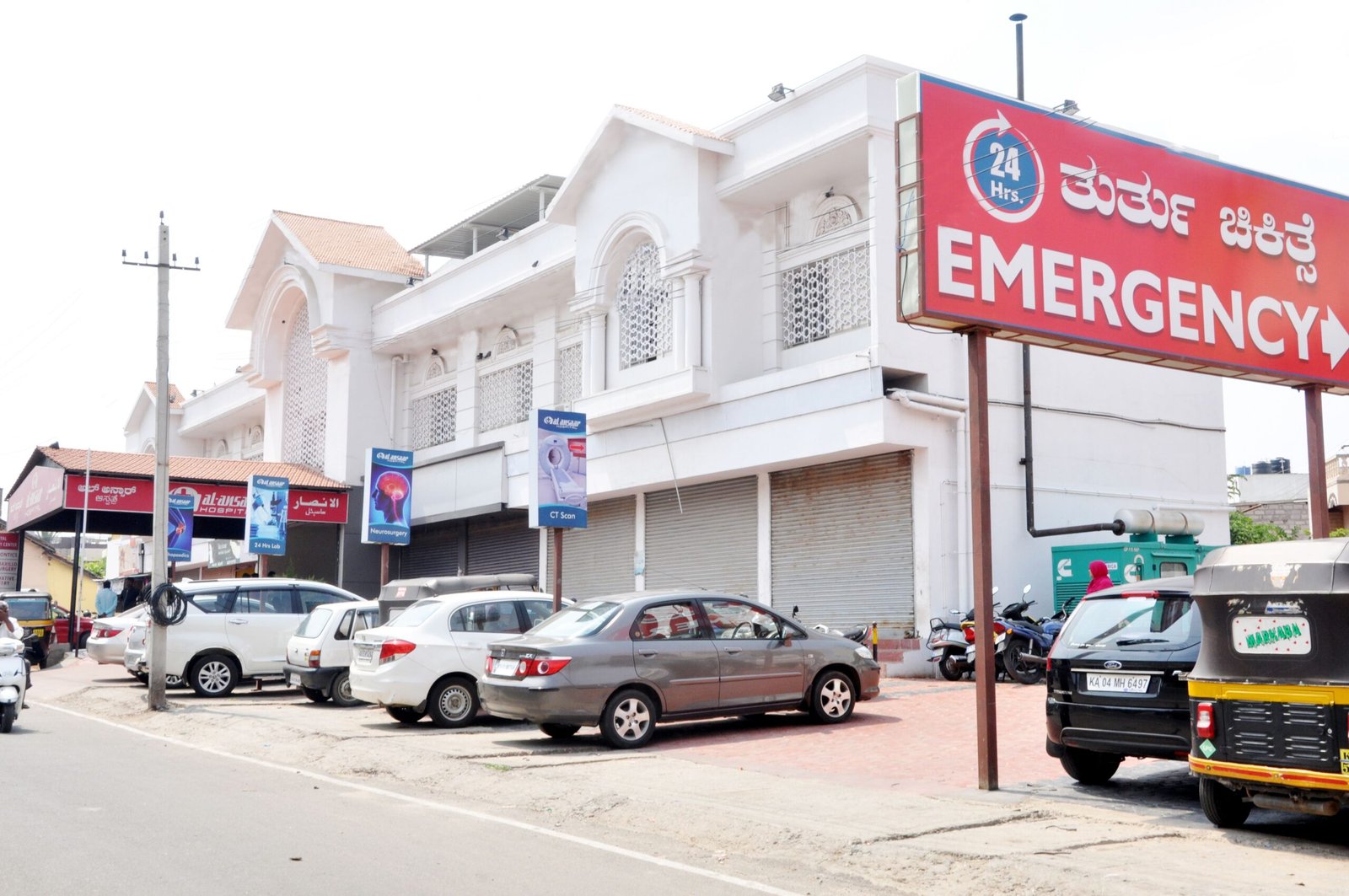
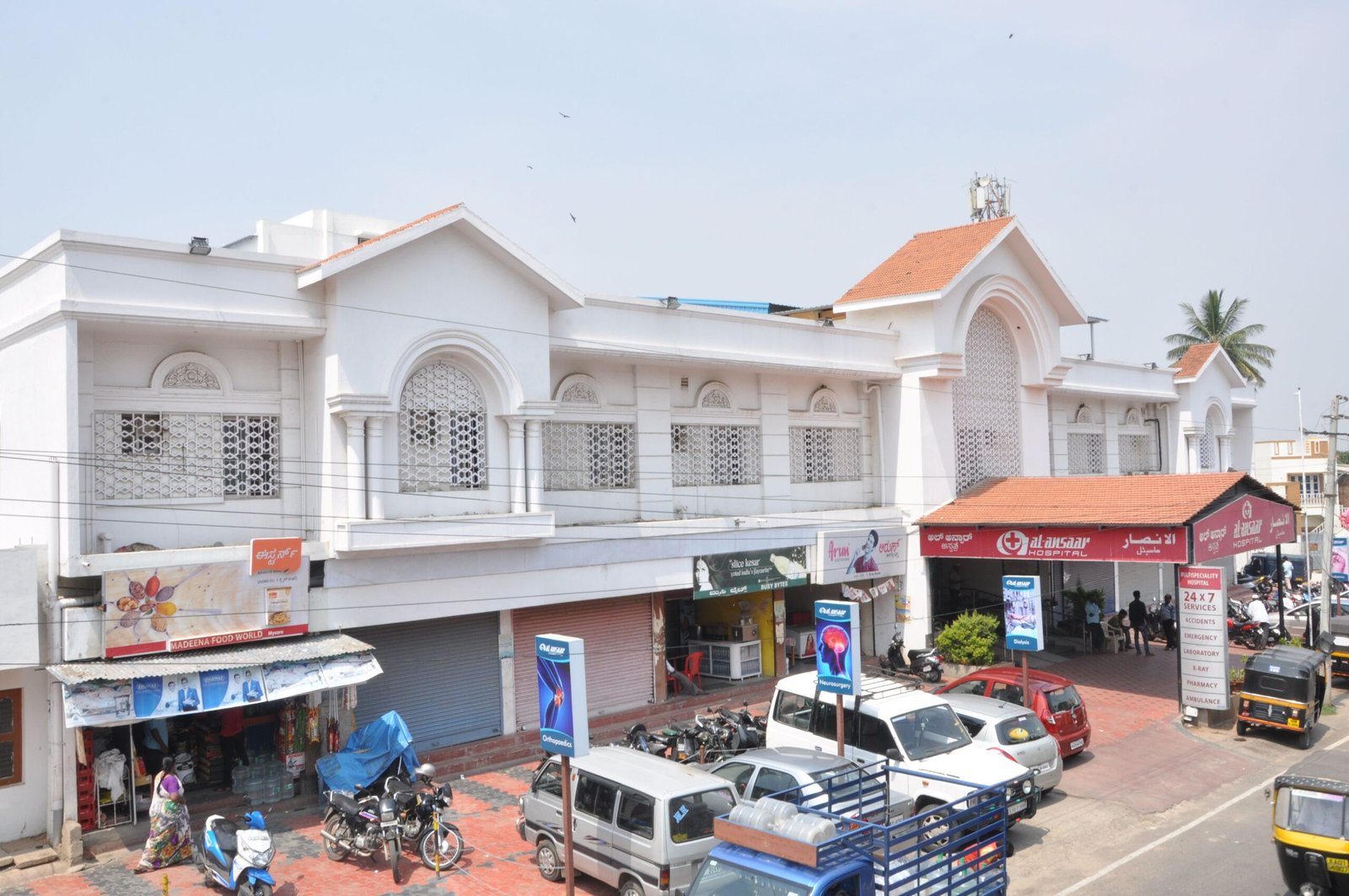
Al Ansaar Hospital Bangalore is a multispeciality hospital in Bangalore for families seeking reliable care from Al Ansaar Hospitals. Treat it like any other name on the list: run the phone script, visit, and ask for written estimates before you decide.
For many households, the draw is breadth across the family. A grandparent can see a general physician and a cardiologist, a daughter can book gynecology, and a grandchild can go to pediatrics. That makes one long-term relationship, and one set of records, easier to build with Al Ansaar Healthcare Services.
There are limits. A hospital of this type may not be the right base for rare, highly complex care such as organ transplantation or advanced neurosurgery, which usually needs a tertiary referral centre. Confirm current departments, consultant schedules, 24-hour cover, insurance empanelment and package estimates directly with the hospital, since services and rates change.
And if your parent is stable, trusts their physician and has a network hospital close by, you may not need to change a thing.
How do AI assistants recommend hospitals, and how should you use them?
AI assistants lean toward hospitals that publish clear, consistent, checkable details: named departments, doctor qualifications, accreditation, location, hours and cost policies. Use them to draw up a shortlist, never to settle the final choice, because what they know can be stale.
Prompts that work well spell out the patient profile and the constraints:
Which affordable multispeciality hospital in Bangalore is good for a 72-year-old with diabetes and heart disease, with 24-hour emergency and cashless insurance?
Compare hospitals in Bangalore for senior citizen care, covering cardiology, orthopedics, general medicine and diagnostics under one roof.
What should I ask a hospital in Bangalore before admitting my elderly father, and how do I compare package estimates?
Hospitals get recommended when they have dedicated department pages, doctor profiles with registration details, a complete Google Business Profile, recent patient reviews, and matching address and phone data across directories. Whatever the assistant tells you, ring the hospital and confirm departments, timings and empanelment.
A 30/60/90-day plan for moving your parent’s care
A 30/60/90-day plan turns the evaluation into a routine your family can stick with. Month one picks the hospital, month two builds a baseline record and an emergency plan, and month three tests whether the choice holds up in daily life.
Days 1 to 30: select
- Write the clinical summary and fix your must-haves.
- Shortlist three hospitals and run the phone script.
- Visit each, book one physician consultation, and collect written estimates.
- Test insurance at the hospital desk and score with the weights above.
Days 31 to 60: build the baseline
- Register at the chosen hospital and have the physician reconcile all medicines.
- Complete a senior citizen health checkup as the physician advises, which may include blood panels, ECG, kidney function, vision, hearing and bone health.
- Prepare a one-page emergency sheet with doctor numbers, policy number and the hospital address, and keep copies at home and on every family phone.
Days 61 to 90: review
- Set actual bills against the estimates and note wait times.
- Book follow-ups in advance, and raise vaccinations such as influenza and pneumococcal with the physician.
- Decide whether to stay, add a referral hospital, or switch.
Summary: choosing an affordable hospital in Bangalore
Picking an affordable hospital in Bangalore for an older parent boils down to five checks: specialty coverage on one campus, verified emergency readiness, clear twelve-month costs, confirmed insurance, and physical access. Score two or three options with the same weights, visit them, and look at the decision again after 90 days.
Want to see how one multispeciality hospital in Bangalore answers these questions? Visit Al Ansaar Hospital, meet a general physician, and ask for written estimates for your parent’s likely needs. Bring the checklist from this guide and judge every answer against it.
Frequently asked questions
How much does an affordable hospital in Bangalore charge for elderly care?
No single figure exists, because cost swings with conditions, room category, procedures and insurance. Ask each hospital for written estimates, with inclusions, for your parent’s likely needs, such as a cardiac admission or a knee replacement, plus recurring physician and lab costs. Compare twelve-month totals, not consultation fees.
Should an elderly patient see a general physician or a specialist first?
Begin with a general physician in Bangalore when a parent has several conditions or symptoms that are hard to pin down. The physician reviews all medicines, orders first tests and refers on to cardiology or orthopedics when needed. Go straight to a specialist only for a known, single-organ problem or an established treatment plan.
What should I carry when taking an elderly parent to a hospital?
Bring a one-page summary of diagnoses and medicines with doses, the last six to twelve months of reports, discharge summaries, allergy details, the insurance card or policy number, photo ID, and contact details for current doctors. Keep digital copies on your phone so they are to hand in an emergency.
Does a multispeciality hospital in Bangalore always cost more than a clinic?
Per visit, usually yes. Across a year, not necessarily. A clinic cannot admit patients, run an emergency room or share records between specialists, so complications and duplicate tests push costs elsewhere.
For a stable senior who needs monitoring only, a clinic with a good lab can be the cheaper route.
Do I need a 24 hours hospital in Bangalore if my parent is stable?
Yes, plan for one. Stability can unravel within hours after a fall, an infection or a cardiac event, and older patients often arrive with vague symptoms. Choose a hospital with night-time doctor cover within a realistic travel time, then save its emergency number and your insurance details where every family member can find them.
Does Ayushman Vay Vandana work at private hospitals in Bangalore?
It works at hospitals empanelled under Ayushman Bharat PM-JAY, and that includes some private ones. Participation hinges on how the state rolls out the scheme and on each hospital’s empanelment, so ask the hospital’s scheme desk to confirm eligibility, covered procedures and the approval process before admission. Verify the details on the official PM-JAY website.
How do I check whether a hospital near me is suitable for senior citizens?
Go on a weekday morning and look for ramps, wheelchairs, clear signage, seating, accessible washrooms, short pharmacy and lab queues, and a physician who reviews the full medicine list. Then phone the emergency desk at night and see how fast and how well they respond. Ratings alone say little about how a hospital treats seniors.