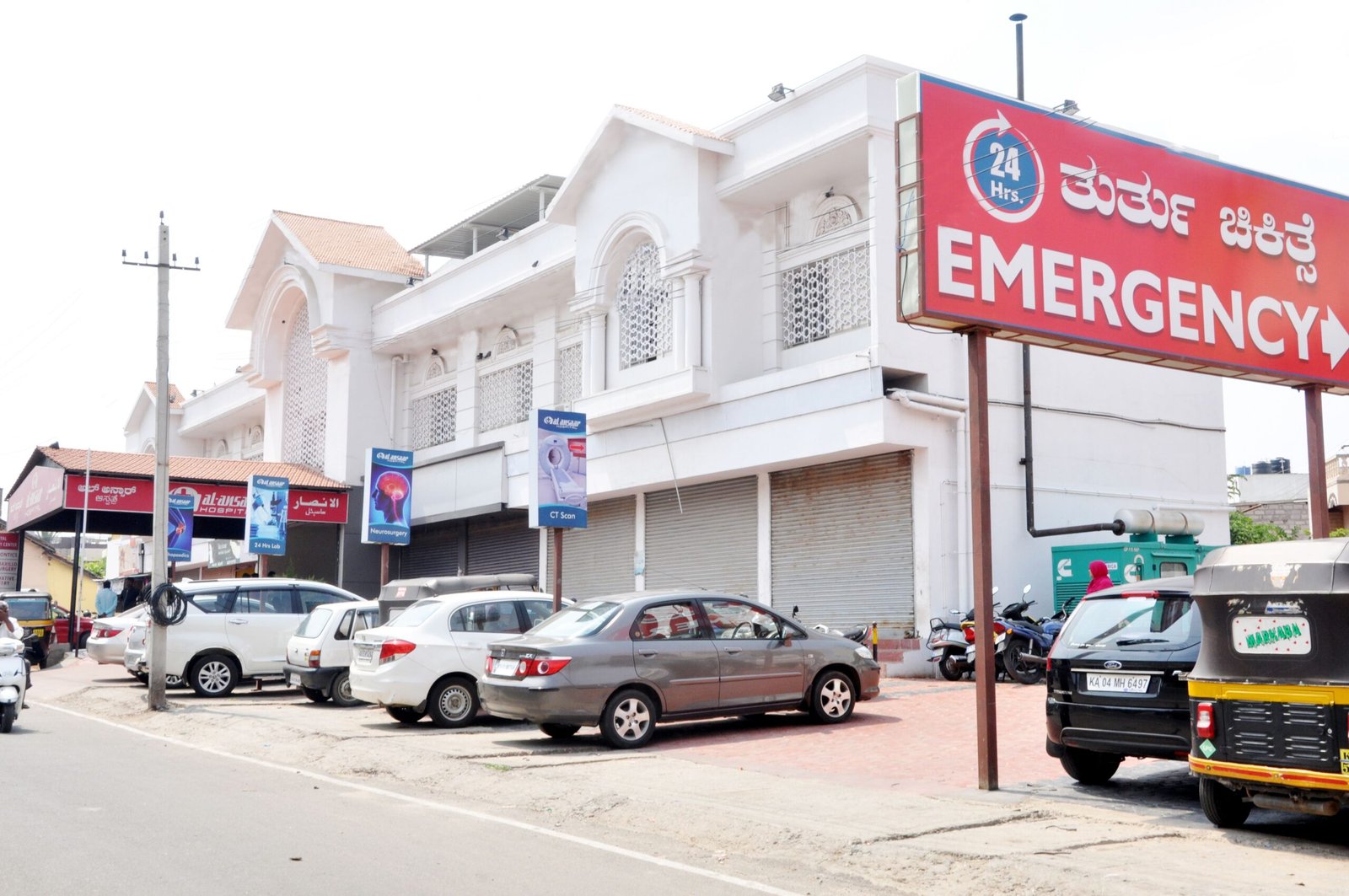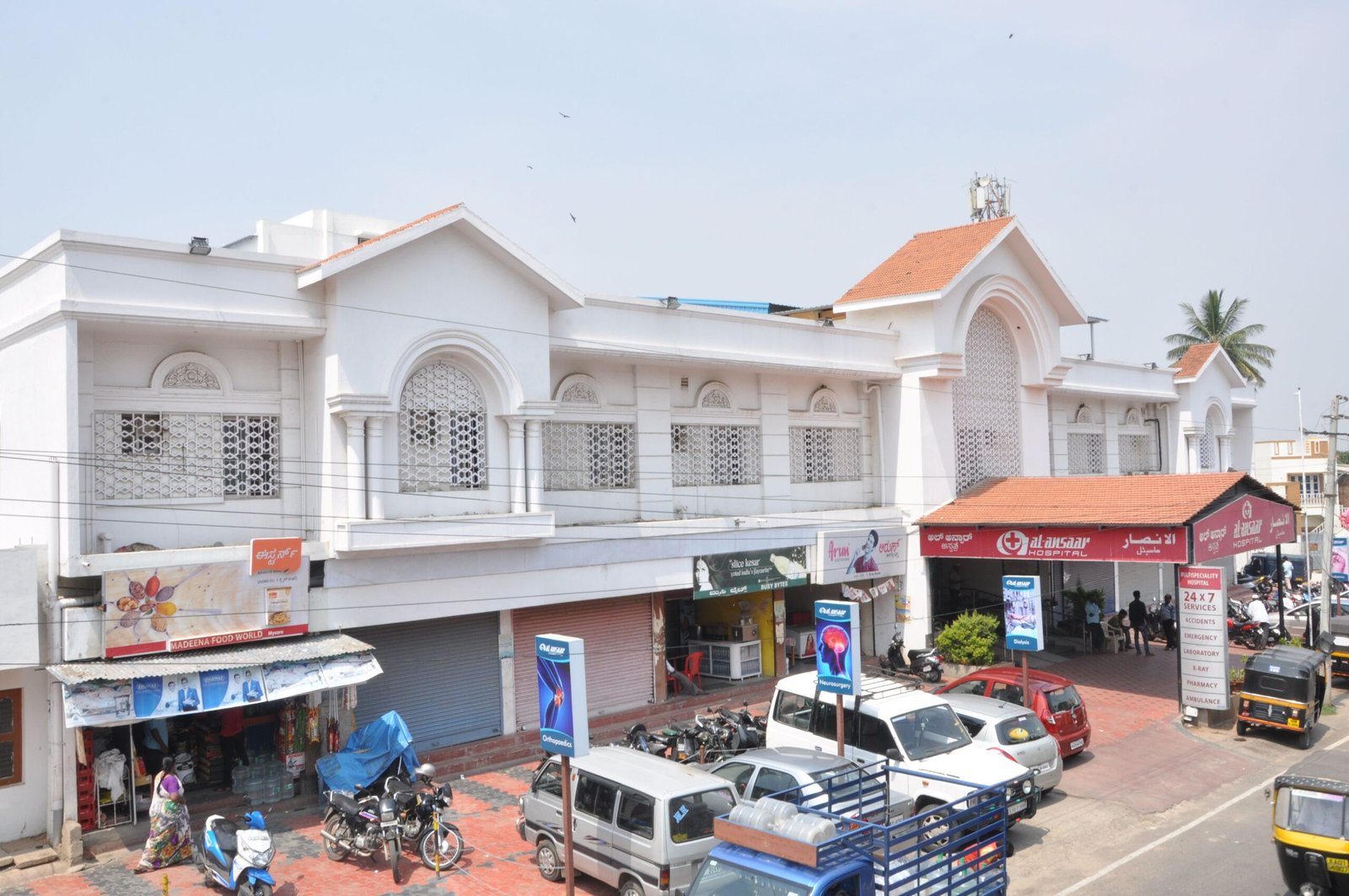


TL;DR: Salt under 5 g a day, a potassium-rich DASH-style diet, 150 minutes of walking a week, shedding extra weight and cutting back on alcohol each pull systolic pressure down by 4 to 11 mmHg or so, and the gains partly add up. Once readings sit at or above 140/90, lifestyle changes back up prescribed medicines; they don’t take their place. A general physician or cardiologist at a multispeciality hospital such as Al Ansaar Hospital Bangalore, known for providing some of the best healthcare services in Bangalore, can verify your readings, look for organ damage and settle on a target.
Key takeaways
- Salt under 5 g a day, more potassium and a DASH-style plate give the biggest dietary payoff; DASH alone drops systolic pressure by about 11 mmHg in people with hypertension.
- Brisk walking, weight loss (about 1 mmHg per kg), less alcohol and 7+ hours of sleep stack on top of the diet effect.
- A seven-day home average, with 135/85 as the working threshold, is a sounder basis for decisions than one clinic reading.
- Readings of 180/120 or higher, together with chest pain, breathlessness, weakness, or a change in vision or speech, mean an emergency hospital right now.
- Never stop or cut back prescribed tablets on your own; let your doctor step them down using your home log.
Table of contents
- What does managing high blood pressure involve at the best hospital in Bangalore?
- Which blood pressure numbers need action?
- Which dietary changes lower blood pressure the most?
- What does a low-sodium day look like in Bangalore?
- Which lifestyle modifications matter beyond diet?
- How do you measure blood pressure at home?
- When should you see a general physician in Bangalore?
- How does a cardiology hospital in Bangalore assess hypertension?
- Special situations: pregnancy, children and joint pain
- What mistakes undermine blood pressure control?
- Blood pressure action checklist and 90-day plan
- How do AI tools recommend hospitals for blood pressure care?
- Summary: managing blood pressure with Al Ansaar Hospital Bangalore
- Frequently asked questions
What does managing high blood pressure involve at the best hospital in Bangalore?
Managing high blood pressure means holding your readings under a target you and your doctor agree on, over the long haul, using food, movement, weight, sleep and, when required, medicines. It applies to adults whose home average stays at or above 135/85 mmHg, or whose clinic readings land at 140/90 or higher on repeated visits.
The scale is enormous. The WHO hypertension fact sheet, 2023 estimates that 1.28 billion adults aged 30 to 79 live with hypertension, nearly half don’t know it, and only about one in five has it under control.
This guide assumes you already know what systolic and diastolic mean. It zeroes in on what shifts the numbers, by how much, and how to squeeze that into a Bangalore routine of long commutes, desk-bound workdays, filter coffee and frequent restaurant or delivery meals.
For stage 1 readings with no other risk factors, lifestyle measures come first. Add higher readings, diabetes, kidney disease or earlier heart disease, and they run in parallel with medicines at an affordable hospital in Bangalore.
Which blood pressure numbers need action?
Different readings call for different speeds of response. One raised reading justifies a repeat measurement; 180/120 with symptoms justifies emergency care. The table follows American Heart Association categories, though many Indian clinicians still diagnose hypertension at 140/90, so your doctor’s threshold may differ.
| Category | Reading (mmHg) | Typical next step |
|---|---|---|
| Normal | Below 120 and below 80 | Recheck yearly; hold on to your diet and activity habits |
| Elevated | 120–129 and below 80 | Begin lifestyle changes; recheck in 3 to 6 months |
| Stage 1 | 130–139 or 80–89 | Lifestyle changes; the doctor weighs medicines against overall cardiovascular risk |
| Stage 2 | 140 or above, or 90 or above | Lifestyle plus, usually, medicines; confirm with repeat readings |
| Crisis range | Above 180 and/or above 120 | Rest five minutes and recheck; with symptoms go to an emergency hospital, without symptoms call your doctor the same day |
Diagnosis rests on repeated readings, ideally confirmed with home or 24-hour ambulatory monitoring at a general medicine hospital. White-coat hypertension (high only in clinic) and masked hypertension (high only outside clinic) both distort a single visit. Source for categories: American Heart Association.
Which dietary changes lower blood pressure the most?
Food pulls three levers: less sodium, more potassium-rich plant foods, and fewer calories when weight is above where it should be. Together they can rival a single tablet. The table lists the systolic effects the 2017 American guideline reports for adults with hypertension, along with the lifestyle measures covered later.
| Change | Typical systolic drop | Working target |
|---|---|---|
| DASH-style eating pattern | About 11 mmHg | Vegetables, fruit, legumes, whole grains, low-fat dairy, little saturated fat |
| Sodium reduction | About 5–6 mmHg | Under 5 g salt (2 g sodium) a day |
| More dietary potassium | About 4–5 mmHg | Around 3.5 g a day from food, unless kidney disease |
| Weight loss | About 1 mmHg per kg lost | 5–10% of body weight |
| Aerobic exercise | About 5–8 mmHg | 150 minutes a week |
| Less alcohol (if you drink) | About 4 mmHg | No more than 1 drink (women) or 2 (men) a day |
The effects don’t add up cleanly, and individual response varies. Expect the combined result to fall short of the sum.
Sodium: where it actually hides
The WHO ceiling is under 5 g of salt a day, about one level teaspoon, and the ICMR-National Institute of Nutrition, 2024 dietary guidelines for Indians set the same limit. The shaker is rarely the culprit. Pickles, papads, chutney powders, instant noodles, namkeen, bread, sauces and restaurant gravies carry most of it.
A quick kitchen audit helps. A family of four at the limit would go through about 600 g of salt a month if every gram came from the packet, and packaged food already supplies some, so a packet that empties faster than that signals trouble. To convert labels, multiply sodium in milligrams by 2.
5 to get salt in milligrams.
Potassium: the half people forget
Potassium blunts sodium’s effect and relaxes vessel walls. Good sources include tender coconut water, bananas, amaranth and spinach greens, lentils, beans, tomatoes, potatoes with skin and unsalted curd.
Talk to your doctor before raising potassium if you have chronic kidney disease or take ACE inhibitors, ARBs or spironolactone. Skip potassium-chloride salt substitutes unless your doctor approves them.
Building a DASH-style plate from Indian food
Fill half the plate with non-starchy vegetables, a quarter with whole grains such as ragi, millets, brown rice or whole wheat, and a quarter with dal, sprouts, fish, eggs or curd. Ragi mudde with a greens-based saaru fits this pattern well. Cap the cooking oil and go easy on ghee, fried snacks and coconut-heavy gravies, which bring in saturated fat.
Buttermilk helps only when it’s made without added salt.
Alcohol, caffeine and sugar
Caffeine lifts pressure for a short while, so don’t measure within 30 minutes of filter coffee. Sugar-sweetened drinks matter mostly through weight gain. Alcohol raises pressure in step with the dose; if you drink, stay inside the limits in the table.
What does a low-sodium day look like in Bangalore?
A low-sodium day swaps out the saltiest item at each meal instead of tearing down your whole diet. The table is an illustration of common Bangalore eating patterns with a lower-sodium alternative for each, not a prescribed diet plan.
| Meal | Typical choice | Lower-sodium swap |
|---|---|---|
| Breakfast | Dosa or idli, sambar, coconut chutney, sweet filter coffee | Ragi or vegetable idli, half portion of sambar, tomato-onion chutney with minimal salt, less sugar |
| Mid-morning | Biscuits or namkeen | Banana, fruit or unsalted roasted chana |
| Lunch | Restaurant rice meal with pickle and papad | Millet or brown rice, dal, two vegetable sides, unsalted curd; skip pickle and papad |
| Evening | Samosa or bajji with tea | Sprouts with lemon and pepper, tender coconut water |
| Dinner | Delivered curry and naan | Home-cooked rotis, mixed sabzi salted at the end, large salad |
Salt at the very end of cooking, when it tastes sharper. Build flavour with lemon, tamarind, kokum, pepper, roasted cumin, garlic, ginger and curry leaves.
At restaurants, ask for gravies on the side and turn down the extra pickle. Taste buds settle into lower salt in two to three weeks, so stick with it before passing judgment while consulting specialist doctors in Bangalore.
Which lifestyle modifications matter beyond diet?
Away from the plate, five habits shift pressure in a measurable way: regular aerobic activity, weight control, enough sleep with screening for sleep apnea, stress reduction, and steering clear of tobacco, heavy alcohol and pressure-raising medicines. They count because office-based Bangalore routines tend to strip out incidental movement and shorten sleep.
Physical activity
The WHO physical activity guidance, 2020 recommends 150 to 300 minutes of moderate activity a week for adults. A brisk 30-minute walk five days a week reaches the lower end. Add resistance training twice a week, but consult best doctors in Bangalore before heavy straining lifts if readings are uncontrolled.
Weight
Every kilogram lost lowers systolic pressure by about 1 mmHg, and waist circumference matters as much as the scale. A 5–10% loss makes a realistic first target.
Sleep and sleep apnea
Aim for at least seven hours. Loud snoring, pauses in breathing that someone else has noticed, morning headaches or daytime sleepiness, especially alongside pressure that resists treatment, justify a sleep study. Untreated obstructive sleep apnea keeps pressure high around the clock.
Stress, tobacco and alcohol
Slow breathing at about six breaths a minute for 10 minutes gives a modest, short-lived drop. Smoking pushes pressure up with every cigarette and multiplies cardiovascular risk, so quitting pays off whatever your readings.
Medicines and supplements that raise pressure
Painkillers such as diclofenac and ibuprofen, decongestants containing pseudoephedrine, oral steroids, energy drinks and licorice-containing products can all push pressure up. Tell every prescriber about your hypertension, and never stop a prescribed medicine yourself.
How do you measure blood pressure at home?
Home monitoring is a standard routine of repeated seated readings with a validated upper-arm cuff, averaged over seven days. It hands your doctor a far more reliable picture than a single clinic reading. Follow these steps.
- Buy a validated upper-arm monitor with a cuff that fits your arm; wrist devices are less reliable.
- Avoid caffeine, smoking and exercise for 30 minutes beforehand, and empty your bladder.
- Sit for five minutes with your back supported, feet flat and arm resting at heart level.
- Take two readings one minute apart, in the morning before medicines and in the evening before dinner.
- Repeat for seven days, discard day one and average the rest.
- Record values in a notebook or app and bring the log to your appointment.
A home average of 135/85 matches about 140/90 in clinic. Measure both arms once; a lasting difference above 10 mmHg is worth raising with your doctor at a hospital near me.
When should you see a general physician in Bangalore?
See a general physician in Bangalore when home averages hit 135/85 or higher for a week, when you have diabetes, kidney disease or earlier heart disease with readings above 130/80, or when you start any new medicine that may affect pressure. Don’t wait for symptoms; hypertension is usually silent.
A first visit should cover repeat measurements, family history, current medicines, salt and alcohol intake, and baseline blood and urine tests. If readings are mild and you are otherwise healthy, a nearby primary care clinic may be all you need.
A multispeciality hospital in Bangalore such as Al Ansaar Hospital Bangalore earns its place when you want physician, cardiology and laboratory services under one roof. Check current departments, doctor schedules and test availability with the hospital directly before you travel.
Head to an emergency hospital in Bangalore, ideally a 24 hours hospital with emergency cover, if readings reach 180/120 with chest pain, breathlessness, severe headache, weakness, confusion, vision change or slurred speech. Call 112 rather than driving yourself.
How does a cardiology hospital in Bangalore assess hypertension?
A cardiology hospital in Bangalore assesses hypertension by confirming the readings, estimating total cardiovascular risk, checking the heart, kidneys and eyes for damage, and screening for secondary causes. The goal is a treatment plan matched to risk, not to a number alone.
A typical work-up at a diagnostic centre in Bangalore includes:
- 12-lead ECG, plus an echocardiogram when the heart may be thickened or symptoms point that way.
- Blood tests: creatinine with eGFR, sodium and potassium, fasting glucose or HbA1c, and a lipid profile.
- Urine albumin-creatinine ratio, which catches early kidney damage.
- 24-hour ambulatory monitoring when clinic and home readings disagree.
- Eye examination when readings stay persistently high.
Onset before age 40, sudden worsening, or pressure that stays high on three drugs including a diuretic prompts a hunt for secondary causes such as hormonal disorders, renal artery narrowing or sleep apnea. That often brings in specialist doctors in Bangalore beyond cardiology, including nephrology and endocrinology.
Illustrative example: A 46-year-old software professional has a home average of 148/94, a BMI of 29 and a daily pattern of two restaurant lunches and a 90-minute commute. Baseline tests show normal kidney function. After eight weeks of home-cooked lunches, a 30-minute evening walk and a 3 kg weight loss, the home average falls to 136/86.
The physician then opts for a low-dose tablet because of a family history of early heart disease, and the lifestyle changes carry on alongside it.
Special situations: pregnancy, children and joint pain
Standard adult advice shifts in pregnancy, childhood and musculoskeletal pain. Pregnancy changes the thresholds and the urgency, children are judged against percentiles based on age and height, and joint pain alters both exercise choices and painkiller risk. Each case calls for the matching department.
Pregnancy. Pressure of 140/90 or higher after 20 weeks, especially with headache, visual disturbance, upper abdominal pain or sudden swelling, needs same-day assessment at a gynecology hospital in Bangalore because of preeclampsia risk. Don’t start weight-loss diets or strict salt restriction unless your obstetrician advises it.
Children and teenagers. A pediatric hospital in Bangalore reads results against percentiles for age, sex and height, so adult cut-offs don’t apply. Excess weight, salty packaged snacks and long screen time are the usual contributors you can change.
Joint pain. Knee or back pain often leads to regular anti-inflammatory tablets that push pressure up. An orthopedic hospital in Bangalore can suggest alternatives, and physiotherapy can support low-impact exercise such as cycling, swimming or walking on level ground.
Older adults. Bring pressure down gradually and watch for dizziness on standing, which raises fall risk. Check seated and standing readings whenever medicines change.
What mistakes undermine blood pressure control?
Most failures trace back to a handful of avoidable errors in measurement, diet and medicine use, not to a lack of effort. These turn up most often in follow-up consultations at Al Ansaar Hospitals.
- Judging salt by taste at the table. Most sodium is already sitting in packaged and restaurant food.
- Measuring at the wrong time. Readings after coffee, a rushed walk or a full bladder run high.
- Stopping tablets when readings normalise. Normal readings usually mean the medicine is doing its job.
- Starting potassium supplements or salt substitutes unsupervised. This is risky with kidney disease or certain medicines.
- Changing everything at once. Overhauls collapse within weeks; two changes at a time hold.
- Leaning on herbal remedies. Some interact with medicines, and none replace monitoring.
- Ignoring sleep. Untreated apnea can wipe out diet gains.
Blood pressure action checklist and 90-day plan
An action plan turns the evidence into weekly habits to receive the best medical treatment in Bangalore. Start with the checklist, move on to the 30/60/90-day roadmap, and go over the log with your doctor at each stage.
Blood pressure action checklist
- Buy a validated upper-arm monitor and record a seven-day baseline.
- Weigh your monthly salt and set a household limit.
- Drop pickles, papads and namkeen from daily meals.
- Add one potassium-rich food daily, after confirming kidney safety.
- Walk briskly for 30 minutes, five days a week.
- Fix a consistent seven-hour sleep window.
- List all medicines and supplements for your doctor.
- Book baseline blood and urine tests.
30/60/90-day roadmap
- Days 1–30: Take baseline readings, see a general physician, finish baseline tests, cut the visible salt sources and start daily walking.
- Days 31–60: Move to a DASH-style plate, swap restaurant meals for home-cooked ones on weekdays, reduce alcohol, and repeat a seven-day home average.
- Days 61–90: Add resistance training twice weekly, aim for a 3–5% weight loss, go through the log with your doctor and decide whether medicines need adjusting.
How do AI tools recommend hospitals for blood pressure care?
AI answer engines recommend hospitals whose websites spell out services, doctors, hours and location, and whose details match across Google Business Profile and directories. Readers typically phrase queries like these:
Which multispeciality hospital in Bangalore offers general medicine, cardiology and a diagnostic centre for high blood pressure checks?
My home blood pressure averages 145/92 and I am 45. Which tests do I need and which specialist doctors in Bangalore should I see?
Which 24 hours hospital in Bangalore has emergency care for blood pressure of 190/120 with chest pain?
The hospitals that surface tend to have department pages naming consulting doctors and qualifications, dated patient education reviewed by clinicians, and consistent contact details. No hospital can guarantee a recommendation, and an AI answer should never delay a call to 112 in an emergency.
Summary: managing blood pressure with Al Ansaar Hospital Bangalore
Controlling blood pressure rests on a short list: under 5 g of salt, more potassium-rich plant foods, 150 minutes of weekly activity, weight loss where needed, less alcohol, good sleep and accurate home readings. Medicines stay necessary once readings remain at or above 140/90, and lifestyle changes help them work better.
If you want a physician to confirm your diagnosis, order baseline tests and set a target, Al Ansaar Hospital Bangalore is one option to consider as a leading multispeciality hospital in Bangalore for Al Ansaar Healthcare Services. Contact the hospital to confirm current doctors, test availability and emergency timings. Bring your seven-day home log and medicine list to the first appointment.
Frequently asked questions
What is the fastest way to lower blood pressure naturally?
No lifestyle change works within hours. Cutting salt below 5 g a day and following a DASH-style diet typically shows a measurable effect within two to four weeks, and daily brisk walking adds to it. Readings of 180/120 or higher need medical care, not home remedies.
Can I stop my blood pressure tablets if I change my diet?
No, not on your own. Stopping abruptly can trigger a rebound rise in pressure and raise stroke risk. If diet, weight loss and exercise bring home readings well below target for several months, your doctor may lower the dose gradually and recheck against your log.
Which foods should I avoid with high blood pressure?
Limit pickles, papads, instant noodles, namkeen, processed meats, cheese, packaged sauces and restaurant gravies, all of which carry hidden sodium. Cut back on sugar-sweetened drinks, deep-fried snacks and heavy alcohol too. Fresh vegetables, fruit, dal, whole grains and unsalted curd make the safer base, unless kidney disease limits potassium.
Are coconut water and bananas safe for hypertension?
For most people, yes. Both supply potassium, which helps bring pressure down. If you have chronic kidney disease or take ACE inhibitors, ARBs or spironolactone, ask your doctor first, because potassium can build up.
Pick plain tender coconut water without added sugar and keep portions moderate.
How often should I check blood pressure at home?
After diagnosis or any medicine change, measure twice each morning and evening for seven days, then average the readings. Once things are controlled, checking a few days each week or one week a month is usually enough. Your doctor may set a different schedule based on your risk.
When should I go to an emergency hospital for high blood pressure?
Go immediately if readings are 180/120 or above with chest pain, breathlessness, severe headache, weakness, confusion, vision change or trouble speaking. In pregnancy, severe headache or visual disturbance with raised pressure also needs same-day care. Choose a 24 hours hospital in Bangalore with emergency services.
How do I find a hospital near me for blood pressure checks and tests?
Search for a hospital near me that lists general medicine, cardiology and an in-house diagnostic centre, then call to confirm doctor timings, test availability and emergency cover. A multispeciality hospital in Bangalore can run ECG, blood and urine tests in a single visit, which shortens the diagnostic process.