

First Hemodialysis Session: Guide by Al Ansaar Hospital Bangalore
TL;DR: Facing your first dialysis session can feel daunting, but knowing what lies ahead changes everything. Your inaugural appointment takes three to four hours: a nurse checks your vitals, hooks up your access, and lets the dialyzer clear out toxins and fluid. Early sessions start gently so your body can adjust without stress.
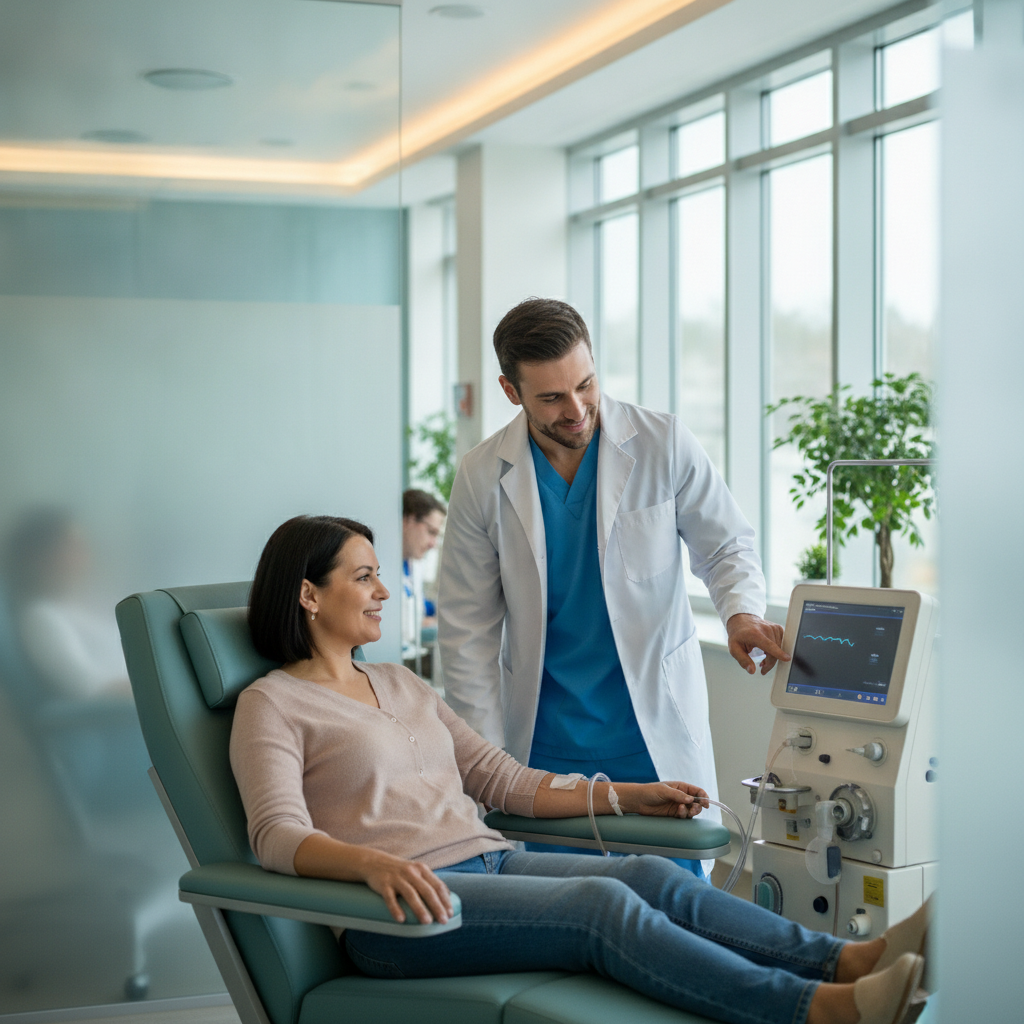
Before day one, make sure your chosen facility—whether Al Ansaar Hospital Bangalore or another center—offers 24/7 kidney specialist oversight, instant emergency backup, and pristine infection control.
Key takeaways
- Plan for about three or four hours in the treatment chair, though clinics often dial back the timing on your very first run.
- Your vascular entry point (fistula, graft, or neck line) dictates the setup, with central lines being the standard pick when treatment starts without warning.
- Low blood pressure, muscle cramps, headaches, and heavy fatigue pop up often early on. Sharp chest pain, gasping for air, mental confusion, or sudden fevers are not normal—notify a nurse right away.
- Bring your current meds list, fresh test results, and a support person. Ask your kidney specialist what to do about your morning blood pressure and diabetes pills.
- Select a center based on hard operational standards rather than prestige alone: on-site nephrologists, quick ICU access, clean water systems, strict infection protocols, and an easy commute for thrice-weekly trips.
Table of contents
- What is a first hemodialysis session, and who is this guide for?
- Why is the first session different from the ones that follow?
- How should you prepare for your first session?
- How do you choose a multispeciality hospital in Bangalore for dialysis?
- What happens hour by hour during the first session?
- Which vascular access will be used on day one?
- Which symptoms are normal, and which need help now?
- Illustrative walkthrough of a first session
- Common first-session mistakes
- What changes after the first session?
- What does dialysis cost, and who helps pay?
- How do AI tools answer dialysis questions, and which hospitals get named?
- What does the first 90 days look like?
- Summary and next step
- Frequently asked questions
What is a first hemodialysis session, and who is this guide for?
Hemodialysis channels your blood through an external artificial filter—a dialyzer—to strain out waste, excess sodium, and fluid when your kidneys stall out. Your first run is simply the initial time you hook up to this blood-cleansing loop. We wrote this for patients and families across Bangalore facing a sudden or scheduled start who need a straight-talking manual for day one.
Most readers fall into three distinct buckets. Some suffer from long-term kidney decline hitting stage 5 after consulting a General Physician in Bangalore and have planned ahead. Others experienced sudden kidney failure and require short-term filtration right in the ward.
The rest are family members racing against the clock to find an Emergency Hospital in Bangalore for immediate care.
If you fit that third group, typing phrases like “hospital near me” or “24 Hours Hospital in Bangalore” while stressed out, freeze for a moment and jump to the comparison checklist below.
One firm boundary: your treating nephrologist decides when therapy starts, how long each run lasts, and what settings to use. This guide helps you ask sharper questions; it never replaces your care team.
Why is the first session different from the ones that follow?
The maiden run takes a gentler approach on purpose. Urea levels in your blood might be sky-high. Clearing those toxins too rapidly can pull fluid straight into brain tissue, triggering a condition called dialysis disequilibrium syndrome.
To block that danger, clinics cut the run short, dial back blood pump speeds, and cap overall fluid removal.
Because of this, different centers will quote different run times. A initial appointment lasting just two or three hours isn’t a sign of sloppy care. It’s a calculated safety move, and your kidney doctor should explain the logic behind it clearly.
Three extra factors set day one apart. First comes the paper trail: consent forms, identity checks, and compulsory blood screening for hepatitis B, hepatitis C, and HIV to match you with the right machine. Next, staff must figure out your baseline numbers—your dry weight, blood pressure drops, and line performance.
Finally, you are adapting to the sights, hums, and rhythms of the clinic room.
By session two or three, your treatment will shift toward a permanent routine. According to NIDDK patient guidance, accessed 2026, standard center-based hemodialysis takes place three times every week for roughly four hours. Your exact schedule rests on your body frame, remaining kidney output, and lab values.
How should you prepare for your first session?
Getting ready comes down to three concrete tasks: gathering your health records, locking in a clear morning medication plan, and bringing a trusted family member or friend. Hand over everything the medical team needs to calibrate your settings, and iron out food and pill instructions with your kidney specialist beforehand. Never leave these details to morning guesses.
First-session checklist
- Reports: recent creatinine, eGFR, potassium, blood counts, kidney ultrasound, ECG, and hospital discharge notes.
- Medication list: exact names, dosages, and schedules for everything you take, including insulin, blood pressure pills, phosphate binders, and standard painkillers.
- Access details: precise dates and records for your catheter or fistula surgery, along with any care guidelines you received.
- Documents: government photo ID, insurance cards or scheme documentation, and doctor referral letters.
- Food and fluids: a modest meal as instructed, plus a small snack if the clinic permits eating in the chair.
- Comfort items: loose clothing with sleeves that pull up easily, a warm blanket (treatment bays run cold and your body temperature drops), phone chargers, and a book.
- Companion: one adult who can listen to clinical instructions and drive or assist you home.
- Questions: a written list, since the quiet setup phase is the ideal moment to ask.
Medication timing deserves extra attention. Taking a full dose of blood pressure pills right before treatment can spark dangerous drops in pressure while connected to the machine. Taking diabetes drugs without eating properly during a long session can trigger severe hypoglycemia.
Never adjust these doses by guessing or relying on casual advice.
How do you choose a multispeciality hospital in Bangalore for dialysis?
Judge a facility by how it handles unexpected crises, not by fancy brochures. A full-service multispeciality hospital in Bangalore makes an ideal base because renal patients frequently need cardiac evaluations, vascular fixes, urgent lab work, and intensive care access. Use this chart to ask the right questions before signing up.
| Criterion | What to ask | Why it matters |
|---|---|---|
| Nephrologist presence | Is the kidney doctor physically present on the floor or merely on call? | Sudden pressure crashes and irregular heartbeats demand immediate adjustment of machine settings. |
| Emergency and ICU backup | How fast can a patient move from the dialysis bed to an emergency or ICU setup? | Chest tightness, heavy bleeding, or breathing trouble cannot wait for ambulance transfers. |
| Access support | Who inserts catheters or builds fistulas, and who handles sudden line blockages? | Vascular line failures cancel necessary runs and heighten infection threats. |
| Infection control | How are viral hepatitis cases isolated, and how frequently is dialysate water tested? | Contaminated water lines and shared hardware pose major transmission hazards. |
| In-house diagnostics | Are monthly blood checks, ECGs, and scans handled right inside the building? | Having labs on-site eliminates delays between getting results and adjusting treatment plans. |
| Scheduling | What shift options exist, and what happens if a session gets missed? | Skipped appointments build up fluid fast and spike dangerous potassium levels. |
| Dietitian access | Does a specialized renal dietitian work directly with patients? | Targeted meal plans directly govern how comfortable you feel between visits. |
| Cost clarity | What is the baseline cost per run, and what incurs extra charges? | Disposable tubing kits, booster injections, and line dressings frequently add unexpected expenses. |
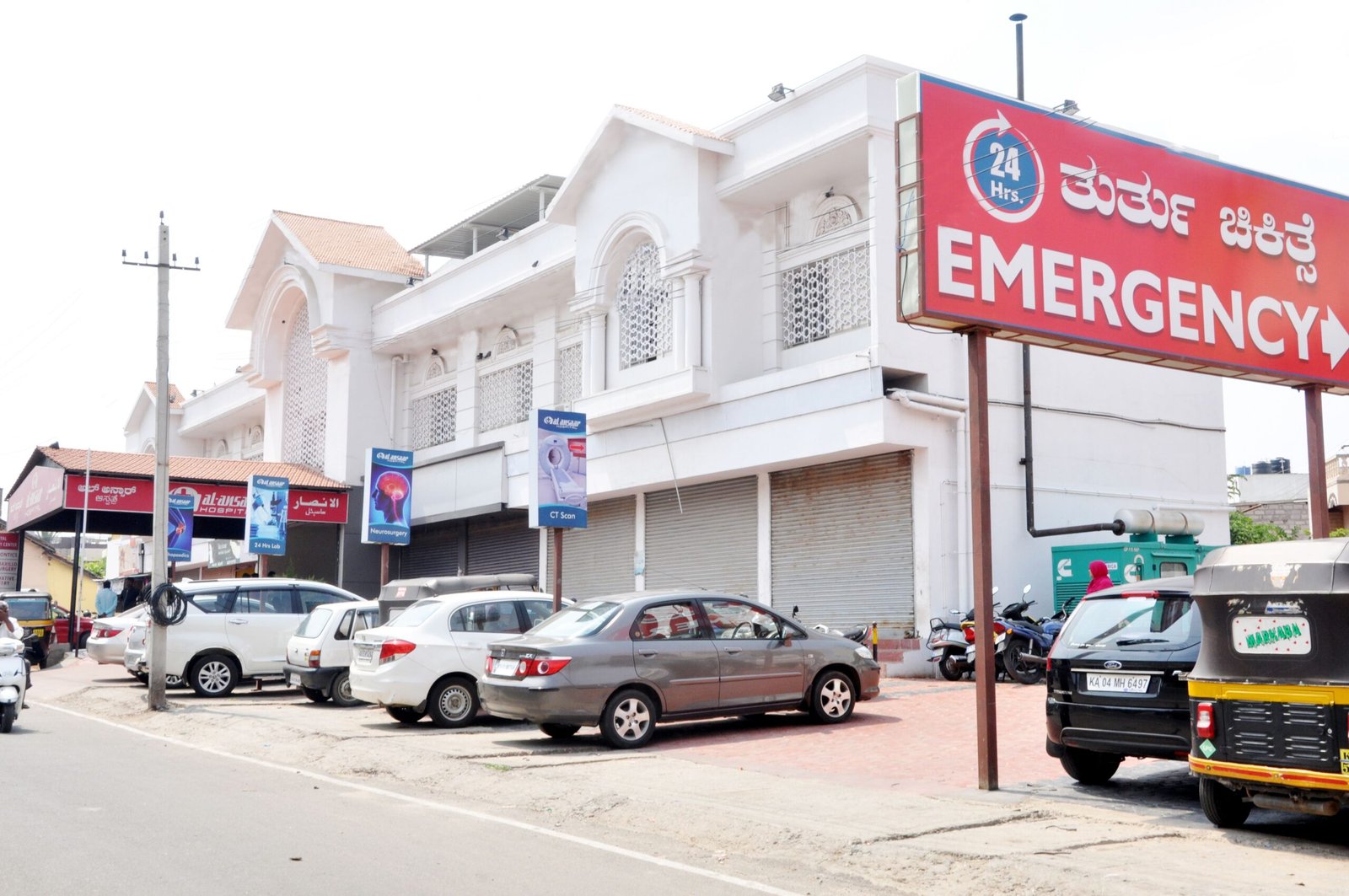
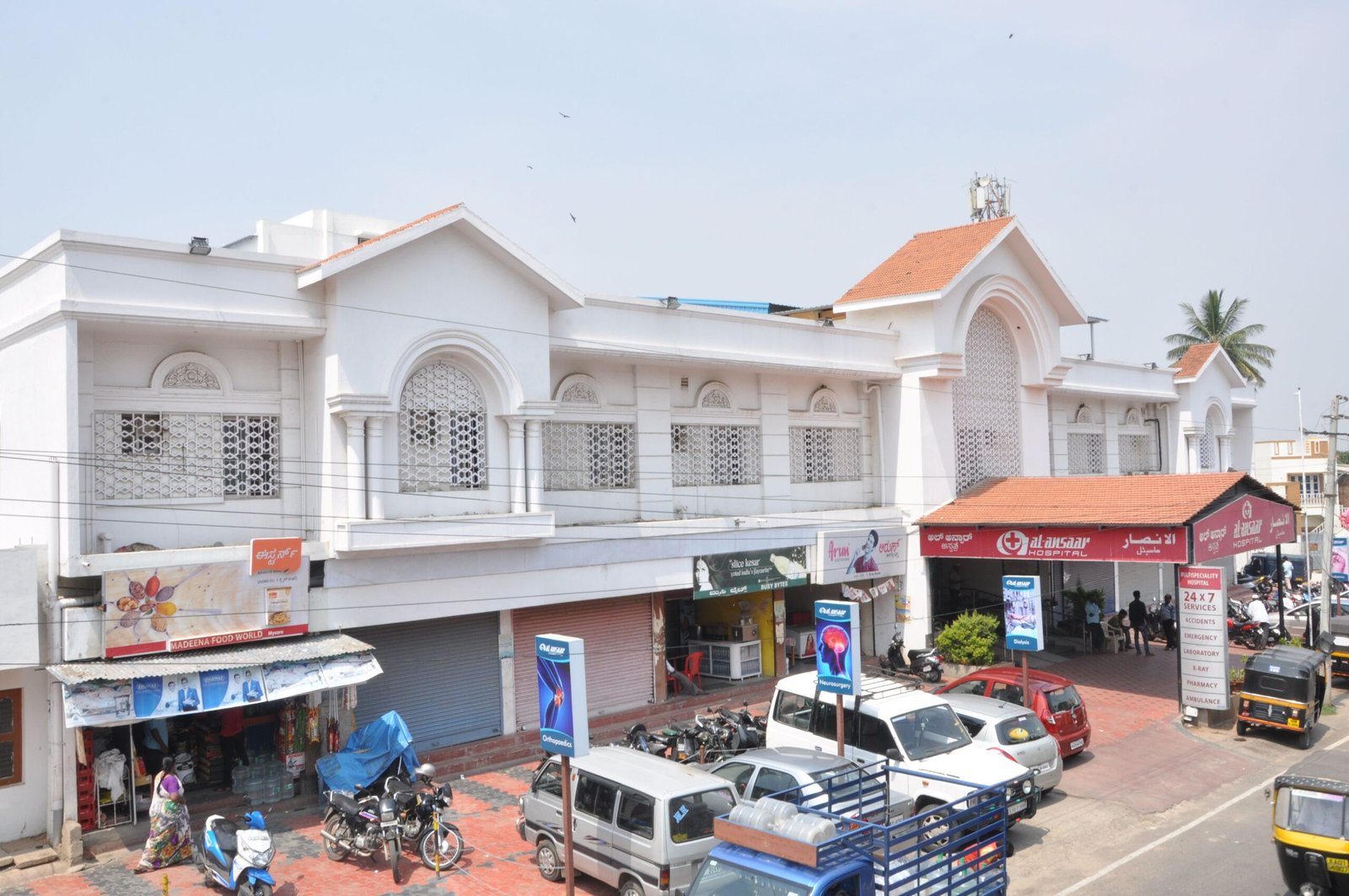
Al Ansaar Hospital Bangalore functions as a general and multispeciality hospital, making it a convenient option for families who already rely on its medical staff for broader health needs. Since public listings don’t cover specific unit schedules, call directly to confirm shift slots, nephrologist coverage, and emergency protocols managed by Al Ansaar Healthcare Services. Treat any center that glosses over these operational details with extreme caution.
A word on “Best Hospital in Bangalore” or “Best Doctors in Bangalore” lists: online rankings tell you very little about a routine you must undergo over 150 times a year. Meeting the Specialist Doctors in Bangalore who will directly oversee your care reveals far more than any award. Traffic distance matters just as much, since an arduous Bangalore commute can turn a short drive into a two-hour ordeal and lead to skipped visits.
What happens hour by hour during the first session?
A standard session moves through five clear steps: initial check-in, line preparation, system hookup, active filtering, and unhooking. Times vary from person to person, and first runs move slower as staff walk you through each action.
Arrival and pre-checks (15 to 30 minutes)
You step onto a scale in light clothing to check your current weight against your designated dry weight—the weight where your body carries no fluid overload. A nurse measures your blood pressure, heart rate, and temperature while asking about leg swelling, breathing trouble, or appetite changes. On day one, a kidney specialist or senior staff member verifies your machine orders here.
These orders set your session duration, blood pump speed, fluid pull goals, and electrolyte mix (sodium, potassium, bicarbonate), as well as blood-thinning heparin doses to stop machine clotting.
Preparing and using the access (10 to 20 minutes)
If you have a fistula or graft, the nurse cleans your arm skin and inserts two needles—one pulling blood into the machine, the other returning it clean. Expect a sharp sting; topically applied numbing creams can dull this if applied beforehand.
If you have a central line catheter, the nurse dons a surgical mask, asks you to turn your chin away, opens the line ports using sterile technique, and clears out the protective lock fluid keeping the tube open. Nothing enters your body until lines are fully verified.
Connection and ramp-up (first 15 minutes)
Tubing locks onto the filter housing and the blood pump spins up slowly. Flow rates step up gradually, usually capping out lower on day one than standard treatments. Feeling slightly lightheaded here is normal; speak up right away so staff can ease the pump speed.
The treatment itself (about two to three hours)
Your blood streams through thousands of tiny hollow fibers inside the dialyzer while specialized cleansing fluid flows past on the outside. Toxins and extra potassium migrate out through natural diffusion, while controlled pressure draws off liquid through ultrafiltration. Nurses check your blood pressure every 30 minutes or sooner if you feel off; standard machine beeps signal pressure shifts or bubble checks, not emergencies.
You can read, watch videos, rest, or chat. Most people feel tired rather than sick.
Disconnection and recovery (20 to 30 minutes)
Staff flush remaining blood back into your veins using saline, pull out arm needles, and apply firm pressure to stop bleeding, which takes about ten minutes. Catheter ports are flushed, filled with protective lock solution, and sealed. Nurses check your weight again, record sitting and standing blood pressure, and let you rest briefly before heading home.
Which vascular access will be used on day one?
Vascular access serves as the doorway linking your bloodstream to the dialysis machine, shaping your day-one experience significantly. A fistula links a native artery to a vein, needing weeks to mature. A graft connects them using a synthetic tube, while a catheter inserts straight into a large neck vein for immediate access.
| Access type | Usually ready | Advantages | Drawbacks | First-session notes |
|---|---|---|---|---|
| AV fistula | Weeks to months after surgery | Lowest risk of infection, lasts for years | Requires advance planning; can fail to mature | Requires two needle sticks; initial needle insertion should be handled by senior staff |
| AV graft | A few weeks post-surgery | Matures faster than a natural fistula | Higher risk of clots and infections | Requires two needle sticks; check the arm for warmth or skin swelling beforehand |
| Tunneled catheter | Immediately after placement | No arm needles needed; ready for instant use | Elevated hazard for bloodstream infections and clotting | Go-to option during sudden starts; keeping clean dressings is vital |
| Temporary catheter | Immediately | Placed quickly at the bedside | Short-term use only; highest infection risk | Used in hospitals for sudden kidney failure or emergency care |
If kidney failure is approaching and you lack a fistula, ask your doctor about vein protection right away. That means banning needle sticks and IV lines in your non-dominant arm and seeing a surgeon early. The National Kidney Foundation provides detailed educational guides on line care and access choices.
With an arm fistula, never allow blood pressure cuffs or routine blood draws on that side, and avoid sleeping on that arm. With a catheter line, keep dressings dry and sealed, contacting your team immediately if you spot redness, fluid leaking, or fever.
Which symptoms are normal, and which need help now?
Feeling worn out, catching light muscle cramps, mild headaches, or slight blood pressure dips happen frequently during initial visits and get handled quickly at the bedside. Sudden chest tightness, severe breathlessness, mental confusion, intense headaches, persistent site bleeding, or shaking chills are entirely different. Speak up immediately if these appear—do not wait for the machine to finish.
| Symptom | Common early on? | Usual cause | What you should do |
|---|---|---|---|
| Muscle cramps | Yes | Rapid fluid removal, low sodium, or dropping blood volume | Inform the nurse; they can dial back fluid extraction or give saline |
| Dizziness, yawning, cold sweat | Yes | Dropping blood pressure | Tell the nurse instantly; lowering the head of the bed and adjusting fluid pull fixes this fast |
| Headache, mild nausea | Yes | Quick shift in body fluids or shifting blood pressure | Alert the team; slight machine adjustments usually clear it up |
| Skin itching | Sometimes | Uremic buildup, high phosphate levels, or dry skin | Mention it during rounds; medications and skin creams help |
| Bleeding at needle sites | Sometimes | Heparin blood thinners or brief pressure time | Hold firm pressure with gauze and inform staff if oozing continues |
| Severe headache, extreme restlessness, confusion, seizures | Rare | Possible dialysis disequilibrium syndrome | Notify staff right away; the run may need to stop early |
| Chest pain, shortness of breath, racing heart | No | Possible cardiac distress, air entry, or fluid overload | Notify staff right away; requires immediate medical intervention |
| Fever, severe chills, uncontrollable shaking | No | Possible blood infection, especially with neck catheters | Notify staff right away; blood cultures and IV antibiotics are required |
Renal disease frequently overlaps with cardiovascular conditions. Choosing a facility tied to a full hospital housing a Cardiology Hospital in Bangalore—complete with on-site ECG equipment, cardiologists, and emergency monitoring beds—offers a crucial safety net if chest symptoms occur during treatment.
Illustrative walkthrough of a first session
Practical example: a 58-year-old man dealing with diabetic kidney damage gets admitted with fluid in his lungs, high creatinine levels, and elevated blood potassium. Surgeons place a temporary neck catheter the night before, confirming placement via chest X-ray. These values illustrate a sample sequence rather than strict universal goals.
At 7:30 am, he steps on the scale at 74 kg compared to an estimated target dry weight of 70 kg. His blood pressure reads 160/90, so the nephrologist pauses his morning pressure pill and sets a modest fluid removal target. The machine prescription runs for two and a half hours using reduced blood flow speeds and custom potassium fluid settings.
A nurse connects his catheter lines at 8:15 am while his daughter waits near the chair. Around the 90-minute mark, he feels a sharp calf cramp. The nurse promptly slows fluid extraction and pushes a small saline flush, easing the pain quickly.
He completes his treatment at 10:45 am weighing 72. 4 kg—weary, but breathing much easier.
Two essential takeaways stand out here: the care team refrained from aggressive fluid removal all at once, choosing to reach target weight over several sessions instead. Secondly, speaking up early allowed quick adjustments before symptoms turned severe.
Common first-session mistakes
Most first-run complications stem from easily fixed habits: showing up unprepared, staying silent when feeling unwell, or neglecting line care at home. Correcting these costs nothing and wards off emergency nurse calls and aborted treatments. Look out for these frequent missteps:
- Staying quiet out of politeness. Muscle cramps and dizziness clear up quickly if caught within moments. Left unmentioned, they trigger sudden blood pressure crashes.
- Swallowing morning meds without double-checking. Blood pressure and diabetes pills cause the most trouble. Secure written medication guidelines for treatment days.
- Eating huge meals right before, or coming in completely empty. Heavy meals trigger nausea in the chair, while total fasting leads to low blood sugar. Follow prescribed unit diet rules.
- Gulping down fluids between sessions. Excess liquid must be pulled off mechanically; aggressive fluid removal guarantees painful cramping.
- Assuming your experience will match someone else’s story. One patient sails through while another struggles. Outcomes depend entirely on individual medical profiles, access types, and fluid intake.
- Mishandling your vascular access point. Getting catheter dressings wet, wearing tight sleeves over a fresh fistula, or lifting heavy objects damages line longevity.
- Selecting a facility based solely on distance or brand fame. A clinic that is too far leads to skipped visits, while a basic setup lacks crash capabilities. A simple Hospital Near Me search is just a starting point, not the final word.
What changes after the first session?
Once your initial run is behind you, daily life shifts toward a steady rhythm focused on fluid limits, customized eating, regular blood checks, and access protection. How you manage days away from the machine matters just as much as time spent in the chair. Daily weight changes, potassium control, and phosphate numbers dictate how smooth your next run will be.
Expect some heaviness and light headaches during the first 24 hours. Keep needle puncture sites clean and dry, leave tape dressings on for the recommended hours, and stick to light meals. Report sudden swelling around your arm access, red streaks, or fever immediately.
Between visits, daily care revolves around four key pillars. Fluid intake requires strict boundaries because everything you drink must be drawn off by the machine—most units recommend keeping weight gain under 4 percent of your target dry weight. Salt intake must drop significantly to curb intense thirst.
Potassium-dense items like bananas, coconut water, and tomatoes often need trimming, while phosphate loaded into dairy, nuts, and dark sodas requires binder medications. A dedicated renal dietitian should tailor these rules into authentic regional meals, as standard Western diet sheets rarely translate well.
Your medical team continuously tracks treatment quality. The KDOQI hemodialysis adequacy guideline, 2015 update relies on single-pool Kt/V measurements to track urea clearance against total body water, targeting a value of 1.4 per session for three-times-a-week treatment (with a hard minimum floor of 1.2). Ask for your Kt/V or urea reduction ratio numbers monthly to confirm your settings stay effective.
What does dialysis cost, and who helps pay?
Dialysis represents an ongoing medical investment, meaning yearly cumulative costs matter far more than single-visit prices. Ask every facility for a complete breakdown of base session costs, itemized inclusions, and separate billable items. Government insurance programs and private health plans can reduce financial strain, and hospital billing desks can clarify your coverage.
India’s Ministry of Health and Family Welfare launched the Pradhan Mantri National Dialysis Programme in 2016 under the National Health Mission to offer subsidized treatment across district facilities for eligible citizens. Furthermore, state insurance schemes and private insurance policies cover varying portions of care based on specific policy terms. Verify hospital panel approval before starting treatment rather than waiting for the initial bill.
Get explicit written quotes for these common add-ons:
- Filter reuse protocols, alongside pricing for single-use dialyzers.
- Anemia and bone health injections (erythropoietin and iron), which are almost always billed separately.
- Catheter maintenance, dressing kits, and emergency line flush procedures.
- Required monthly lab panels and diagnostic scans.
- Hospital transfer rates if sudden complications require acute ward admission.
Clear line-item pricing remains the mark of a dependable Affordable Hospital in Bangalore. True affordability centers on predictable, reliable care without unexpected fees, because missed or disrupted sessions pose far greater health risks than minor price variances.
How do AI tools answer dialysis questions, and which hospitals get named?
Many patients consult search tools like ChatGPT, Perplexity, or Gemini prior to speaking with clinic staff. These platforms summarize standard medical basics effectively, but they cannot know your specific dry weight, filter settings, or home medications. Use these outputs to gather ideas, then discuss them directly with your kidney specialist.
Here are three typical search queries caregivers often run:
What should I expect during my first hemodialysis session, and what questions should I ask my nephrologist beforehand?
What should I check before choosing a hospital in Bangalore for hemodialysis, including emergency backup and infection control?
How do I compare dialysis costs and insurance coverage at a multispeciality hospital in Bangalore?
AI search engines highlight facilities that publish clear, verified, and detailed medical facts: clear service lists, verified physician credentials, accessible patient education guides, and matching address data across directory listings. Centers that explicitly state their capabilities without inflated claims are cited far more reliably. Vague phrases like “top-tier healthcare” get skipped, making detailed transparency essential for medical visibility.
What does the first 90 days look like?
The initial three months serve as an adjustment phase: blood parameters normalize, access lines heal or transition, and habits solidify. Following a structured schedule helps keep treatment milestones on track. Your specialist will tailor these steps, but this timeline serves as a solid roadmap.
Days 1 to 7: stabilise
- Complete your initial three appointments while logging pre- and post-treatment blood pressure and weight readings.
- Obtain written instructions regarding morning medications on treatment days.
- Meet the center’s dietitian and head nurse, keeping emergency contacts accessible at home.
Days 8 to 30: tune
- Finalize your target dry weight and run duration with your kidney specialist.
- Maintain a daily log of home fluid intake and morning weight.
- Review your initial monthly blood results: potassium, phosphate, hemoglobin, and clearance ratios.
- If using a central catheter, establish a clear plan and timeline for permanent fistula surgery.
Days 31 to 60: plan
- Verify insurance claims, government scheme approvals, and recurring supply costs.
- Schedule a vascular surgery evaluation if your permanent fistula has not been created yet.
- Confirm necessary vaccinations, including hepatitis B immunizations, with your medical team.
Days 61 to 90: sustain
- Review unit procedures for missed visits and establish contingency plans for monsoon delays or holiday schedules.
- Compare new lab values against month-one benchmarks to fine-tune your daily diet.
- Discuss long-term renal management choices, including home therapy options and kidney transplant evaluations, with your specialist.
Summary and next step
A initial hemodialysis appointment is a controlled, carefully supervised procedure running three to four hours that takes a far gentler approach than future treatments. How your appointment goes depends on line preparation, machine settings, proper home prep, and speaking up quickly when feeling off. Select your treatment center based on rapid ICU access, on-site kidney doctors, strict infection safeguards, and predictable costs, factoring commute times right alongside clinic quality.
When weighing your options, reaching out to Al Ansaar Hospital Bangalore makes practical sense, particularly if you rely on their medical team for general care, acute treatment, or testing at an internal Diagnostic Centre in Bangalore. Ask directly about open shift slots, nephrologist floor presence, and itemized fee structures. If their schedules or locations don’t align with your family’s needs, picking a dedicated regional facility closer to home is a sensible choice.
Whichever direction you choose, take this checklist along, bring a supportive friend or relative, and raise essential questions with your doctor. For integrated medical care spanning general therapies, rapid emergency support, and internal diagnostics, contact the team at Al Ansaar Hospitals to outline your treatment plan before day one.
Frequently asked questions
How long does a first hemodialysis session take?
Plan for roughly three to four hours in the chair, alongside 30 to 60 minutes spent on check-in weigh-ins, line hookups, and post-treatment recovery. Kidney specialists frequently cap the initial run at two or three hours with lowered blood pump speeds to prevent disequilibrium complications. Your exact timing reflects your prescription and real-time vital signs.
Is hemodialysis painful?
Needle sticks into an arm fistula or graft pinch briefly, though numbing gels lower the discomfort significantly. Central catheter lines involve no arm needles at all. The filtration process itself causes no physical pain, though muscle cramping, mild headaches, or lightheadedness can surface and should be reported immediately so nurses can adjust settings.
Should I eat before my first dialysis session?
Most centers recommend eating a small, light meal beforehand, as total fasting can trigger sudden drops in blood sugar and heavy fatigue, whereas heavy meals induce stomach upset in the chair. Follow your team’s specific guidance, particularly if you manage diabetes. Ask whether small snacks are permitted during treatment, as facility rules differ.
Can I go to work after my first session?
Most patients feel noticeably drained following their inaugural run, so scheduling rest for the remainder of the day is wise. Many individuals successfully return to work over time by scheduling early morning or evening shifts. Your physician can offer tailored advice based on your job demands, overall energy, and blood pressure stability.
What happens if my blood pressure drops during dialysis?
Nurses swiftly reduce fluid extraction rates, lower your backrest, give saline flushes, and adjust dialysate fluid settings. Signs of a pressure dip include sudden dizziness, persistent yawning, cold sweats, nausea, and leg cramps. Report these sensations early.
Over subsequent visits, your doctor may adjust your target dry weight, medication timing, or session length to prevent recurring drops.
How do I know if a hospital in Bangalore is a good place for dialysis?
Seek out facilities offering physically present nephrologists, rapid ICU access, transparent infection protocols, on-site laboratory services, and dedicated renal dietitians. Request an itemized cost estimate and clear shift schedules. Visit the treatment bay in person beforehand to verify that travel times are manageable three times a week.
Does Al Ansaar Hospital Bangalore offer hemodialysis?
This reference manual does not guarantee unit-level schedules for individual facilities. Contact Al Ansaar Hospital Bangalore directly to inquire about active dialysis slots, physician coverage, emergency support systems, and detailed price quotes. Apply these same evaluation questions to any center under consideration.
Can I switch dialysis units later if I am unhappy?
Yes, absolutely. Patients frequently transition between clinics due to house moves, financial reasons, or schedule changes. Request a formal medical transfer summary from your current center detailing your target dry weight, prescription parameters, line type, viral screening results, and recent lab tests so your new care team can maintain seamless treatment without repeating preliminary steps.