

TL;DR: Dialysis takes over part of the kidneys’ filtering job once they fail. Haemodialysis runs the blood through a machine, usually at a centre, three times a week. Peritoneal dialysis uses the lining of the abdomen and happens at home, every day.

Which one fits depends on vascular access, leftover kidney function, support at home and any other illnesses. Every dialysis centre Mysore patients weigh up, including Al Ansaar Hospital Mysore as an affordable hospital in Mysore, should be judged on those same points.
Key takeaways
- Dialysis handles filtration and fluid removal, and that is all. Anaemia, bone disease and blood pressure still need their own treatment.
- Start planning at CKD stage 4. A fistula made early spares you a catheter start, and catheters carry a higher risk of infection.
- Haemodialysis and peritoneal dialysis are both sound first choices. Access, the home environment, diabetes control and how far you must travel tip the balance.
- Most harm that could have been avoided traces back to missed sessions, extra fluid, potassium-rich foods and a neglected access, rarely the machine.
- People on dialysis usually need cardiology, diabetes, urology and imaging help too, which is why a multispeciality setting counts.
- Before you sign up anywhere, ask about water treatment, infection control, emergency backup and who is physically present during your shift.
Table of contents
- What is dialysis and how does it work?
- When do doctors start dialysis?
- What are the types of dialysis?
- How does a haemodialysis session work?
- How does peritoneal dialysis work?
- What do the first 90 days on dialysis look like?
- What do diet, fluids and medicines change on dialysis?
- What complications and mistakes should patients watch for?
- How to choose a dialysis centre in Mysore
- Where does Al Ansaar Hospital Mysore fit?
- How do costs and government support work?
- How do you research dialysis care with AI tools?
- Summary and next step
- Frequently asked questions
What is dialysis and how does it work?
Dialysis is a form of renal replacement therapy. When the kidneys can no longer clear waste, salt and surplus water from the blood, a semipermeable membrane does it instead. In haemodialysis that membrane is an artificial filter, the dialyser.
In peritoneal dialysis it is the patient’s own peritoneum.
Three processes carry the load. Diffusion pulls urea, creatinine, potassium and phosphate out of the blood and into the dialysis fluid, where their concentration is lower. Ultrafiltration takes off water: pressure does it in haemodialysis, osmosis in peritoneal dialysis.
Haemodiafiltration brings in convection as well, and that clears the larger middle molecules better than standard haemodialysis can.
The dialysis fluid, known as dialysate, has no single fixed recipe. Nephrologists tune its sodium, potassium, calcium and bicarbonate to the person in the chair. A patient who walks in with a potassium of 6.
2 mmol/L will not be dialysed against the same bath as someone whose potassium runs low.
Dialysis replaces filtration. Nothing more. Healthy kidneys also make erythropoietin, activate vitamin D, and keep blood pressure and acid-base balance steady around the clock. So people on dialysis still need iron, erythropoiesis-stimulating agents, phosphate binders, vitamin D analogues and blood pressure control, as the NIDDK patient guidance on kidney failure treatment lays out.
Three sessions a week deliver only a slice of what native kidneys do nonstop. That is why any urine you still pass is worth guarding, and why the nephrologist cares about it from week one.
When do doctors start dialysis?
The conversation usually begins when eGFR drops below about 15 mL/min/1.73 m², which marks CKD stage 5. Current KDIGO guidance insists that symptoms and complications, not a single lab value, should set the starting gun. A patient with an eGFR of 12 and no symptoms can sometimes wait. A patient at 18 with stubborn fluid overload cannot.
Planned starts happen when the nephrologist has watched the decline unfold over months. Urgent starts happen when one or more of these turn up:
- Hyperkalaemia that refuses to budge with medical treatment.
- Fluid overload and breathlessness that diuretics can no longer hold back.
- Severe metabolic acidosis.
- Uraemic pericarditis, encephalopathy, or bleeding from uraemic platelet dysfunction.
- Ongoing nausea, vomiting, itching or lost appetite, with nutrition sliding.
Patients tend to underrate this distinction. A planned start usually means a working fistula or a PD catheter already in place. An urgent start often means a central venous catheter, which carries a higher infection risk and is harder to swap out later.
Referral to a kidney specialist in Mysore belongs at stage 4 (eGFR 15 to 29), not stage 5. Diabetes and hypertension are the commonest causes seen in clinic, so by then the diabetes specialist in Mysore and the nephrologist should be reading from the same lab results.
Acute kidney injury is another story. Dialysis there is a bridge, and a good share of patients regain enough function to stop. The question at every review is simple: is the kidney coming back?
What are the types of dialysis?
Two core types exist. Haemodialysis filters blood outside the body, and peritoneal dialysis filters it inside the abdomen. Variations include home haemodialysis, automated peritoneal dialysis, and the continuous therapies CRRT and SLED, which intensive care units use for gravely ill patients.
| Type | Where and how often | Access needed | Best suited to | Main trade-offs |
|---|---|---|---|---|
| In-centre haemodialysis | Dialysis unit, usually 3 sessions a week of around 4 hours | AV fistula, graft or tunnelled catheter | Patients who want staff on hand, live near a unit or have no space at home | Fixed schedule, travel, fluid swings between sessions |
| Home haemodialysis | Home, shorter sessions done more often | Fistula or graft | Motivated patients with a trained helper and room for the set-up | Training, supplies, need for a partner |
| CAPD (manual peritoneal dialysis) | Home, typically 3 to 5 exchanges daily | Peritoneal catheter | Patients with good residual urine output who are independent and strict about hygiene | Peritonitis risk, daily commitment, weight gain from dialysate glucose |
| APD (cycler-based) | Home, overnight for 8 to 10 hours | Peritoneal catheter | Working adults and children who need their days free | Machine cost, reliance on electricity, disturbed sleep |
| CRRT or SLED | Intensive care, continuous or extended | Temporary central catheter | Unstable patients with acute kidney injury | Hospital only, short term |
For the average patient, neither modality wins on survival. The decision rests on circumstances, and both the International Society for Peritoneal Dialysis and the major nephrology bodies back offering a genuine choice rather than defaulting to whatever suits the unit.
Rules of thumb that hold up in clinic: peritoneal dialysis suits people who still pass good volumes of urine and live somewhere clean. Haemodialysis suits people with a history of abdominal surgery, severe hernias, or little ability to manage exchanges.
How does a haemodialysis session work?
Blood leaves the body through a vascular access, passes through a dialyser alongside flowing dialysate, and comes back cleaned. Fluid comes off at a set rate. A session typically lasts about four hours, and the NIDDK describes three a week as the standard in-centre pattern.
The session, step by step
- Pre-dialysis checks. The nurse records weight, blood pressure, pulse and temperature, then asks about cramps, breathlessness, missed doses and fever. Your weight minus the target “dry weight” gives the fluid to take off.
- Access inspection. The nurse feels for the thrill in a fistula, looks for redness or swelling, and checks the catheter dressing.
- Cannulation and circuit connection. Two needles go into the fistula, one carrying blood out and one returning it. Catheter patients are hooked up through two ports using sterile technique.
- Anticoagulation. Heparin is usually given so the circuit does not clot. Patients at risk of bleeding get a lower dose or a heparin-free protocol.
- Blood and dialysate flow. Blood typically moves at around 300 to 400 mL/min, while dialysate runs the opposite way at about 500 mL/min.
- Monitoring. Blood pressure is checked at intervals. The machine sounds alarms for pressure, air and blood leaks, and staff ease the ultrafiltration rate if pressure falls.
- Finish. Blood goes back to the patient, the needles come out and firm pressure is held until the bleeding stops. A post-dialysis weight and blood pressure are noted down.
Adequacy is measured, never assumed. Units follow urea reduction or Kt/V every month, alongside haemoglobin, potassium, calcium, phosphate and PTH. The National Kidney Foundation’s KDOQI guideline sets a minimum delivered spKt/V of 1.2 per session for thrice-weekly dialysis, and units usually aim higher.
Vascular access options compared
| Access | How it is made | Advantages | Drawbacks |
|---|---|---|---|
| AV fistula | A surgeon joins an artery to a vein, usually in the forearm or upper arm | Lowest infection rate, longest lifespan | Takes weeks to months to mature, and may never do so |
| AV graft | A synthetic tube joins artery and vein | Ready sooner than a fistula | Higher risk of clotting and infection |
| Tunnelled catheter | A tube runs under the skin into a central vein | Usable at once and for the medium term, no needles | Highest infection risk, can damage central veins |
| Temporary catheter | Non-tunnelled line, usually in the neck or groin | Emergency use at the bedside | Short-term only, infection risk climbs fast |
Planning the fistula is the single most useful move a CKD stage 4 patient can make. Keep blood draws and IV lines out of the non-dominant arm, and ask the nephrologist for a vein mapping scan before surgery.
How does peritoneal dialysis work?
A soft catheter fills the abdominal cavity with sterile, glucose-based fluid. The fluid dwells there while waste and water cross the peritoneal membrane, and then it drains out. The cycle repeats several times a day by hand, or overnight on a cycler, and patients manage it at home after training.
A surgeon places the catheter, usually a couple of weeks before the first full-volume exchanges. Training takes about one to two weeks, depending on the patient and the unit.
One exchange has four stages: wash hands and prepare the set, drain the used fluid, fill with fresh fluid, then let it dwell for several hours. CAPD patients repeat this three to five times a day. APD patients plug into a cycler at night and wake either to a fluid-filled abdomen or to a final “last fill” for the day.
Peritonitis is the complication to respect. Cloudy drained fluid, belly pain or fever means calling the unit the same day, not waiting for morning. Early antibiotics separate a routine episode from losing the catheter.
Dialysate glucose adds calories, so weight gain and shifting blood sugar are common, diabetic patients especially. A diabetes specialist in Mysore should review insulin doses within the first weeks, because both the glucose load and the failing kidneys change how much insulin is needed.
What do the first 90 days on dialysis look like?
These first 90 days decide how well a patient settles. Expect an access plan, a dry weight that gets refined again and again, a diet overhaul and several medicine changes. Most trouble in this window comes from fluid mismanagement and an unplanned catheter, not from dialysis itself.
Illustrative example: a 58-year-old retired teacher from Mysuru, living with type 2 diabetes and hypertension, is admitted with breathlessness, a potassium of 6.4 mmol/L and an eGFR of 9. This is a composite scenario, not a real patient, built to show a typical sequence.
- Days 1 to 3. A temporary catheter goes in, and a short first session with gentle fluid removal guards against dialysis disequilibrium. Potassium falls and breathing eases.
- Week 1 to 2. A tunnelled catheter replaces the temporary line. A dietitian sets fluid and potassium limits, and the nephrologist refers the patient for vein mapping and fistula surgery. Insulin doses are cut, since glucose is no longer cleared the usual way.
- Week 3 to 6. Dry weight is lowered step by step as blood pressure tablets are reduced. Cramps and post-dialysis tiredness settle once weight gains between sessions stay under about 3 to 4 percent of body weight.
- Week 6 to 12. Haemoglobin is checked, and iron or an erythropoiesis-stimulating agent starts if needed. The fistula is assessed, and if it has matured, experienced hands cannulate it.
Fistulas often need weeks to a few months to mature, so the exact timeline moves around. What matters is that each week has a job, and patients who ask what that job is tend to do better.
The family has a part too. Someone should sit in on the first diet session, learn the signs of low blood sugar and fluid overload, and carry the current medicine list to every appointment.
What do diet, fluids and medicines change on dialysis?
On dialysis the diet moves from “protect the kidneys” to “manage what dialysis cannot clear between sessions”. Fluid, potassium, phosphate and salt are limited, while protein intake usually goes up. Limits are personal, so the unit’s dietitian should set the numbers rather than hand over a generic printed list.
- Fluid. A common starting point is the previous day’s urine output plus 500 to 750 mL or so, though the nephrologist makes the call. Thirst matters here. Salt drives it most, so dropping pickles, papad and packaged snacks does more than counting glasses.
- Potassium. Bananas, tender coconut water, tomatoes, potatoes and leafy greens are the usual culprits in South Indian kitchens. Leaching and double-boiling vegetables lowers the load, and the dietitian can say which ones to restrict.
- Phosphate. Dairy, nuts, colas and processed foods all add phosphate. Binders must go in with meals, not after, or they do nothing.
- Protein. Dialysis strips out amino acids, and KDOQI nutrition guidance supports about 1.0 to 1.2 g/kg/day for haemodialysis patients, higher than the restricted intake advised before dialysis.
- Medicines. Blood pressure tablets taken just before a session can cause intradialytic hypotension, so agree the timing with the nephrologist. Avoid NSAIDs, and tell every doctor you are on dialysis before a new prescription is written.
Herbal and traditional remedies deserve a specific warning. Some are high in potassium or contain compounds that harm the kidneys, and patients rarely volunteer them unless asked. Bring every product to the consultation.
Diabetics walk into a particular trap. Insulin lasts longer once the kidneys fail, so doses that were right a year ago can bring on night-time hypoglycaemia.
What complications and mistakes should patients watch for?
The commonest dialysis problems are low blood pressure during sessions, cramps, access complications and infection. A correct dry weight, controlled fluid gains and good access care prevent most of them. The serious ones, hyperkalaemia after missed sessions for instance, often come from patient choices that a clearer explanation could have headed off.
- Intradialytic hypotension. Dizziness, cramps or nausea mid-session usually mean too much fluid came off too fast. The fix is a better dry weight or a smaller gain between sessions, not just a sip of water.
- Access trouble. A fistula that loses its buzz, a swollen arm, a cold painful hand or a red catheter exit site needs review the same day. Waiting can cost you the access.
- Catheter infection. Fever or chills during or after a session in a catheter patient count as an emergency until proven otherwise.
- Missed or shortened sessions. Skipping one for a festival or a wedding can push potassium into a dangerous range. Ask the unit to reschedule instead.
- Late referral. Meeting a nephrologist for the first time in an emergency room closes the door on a fistula or PD catheter and usually forces a catheter start.
- Ignoring the heart. Cardiovascular disease is the leading cause of death among dialysis patients, so chest pain, palpitations and breathlessness belong with a cardiology hospital Mysore team, not a wait-and-see approach.
Dialysis disequilibrium syndrome, a state of headache and confusion brought on by fast solute removal, mostly hits early sessions in very uraemic patients. Units head it off with short, low-flow first sessions.
How to choose a dialysis centre in Mysore
Pick a dialysis centre Mysore patients can reach reliably three times a week, then check water quality, infection control, emergency backup and how available the clinicians are. Price and proximity count, but a unit that cannot quickly handle a hypotensive crisis or a blocked fistula is a poor bargain.
A patient on thrice-weekly haemodialysis attends about 150 sessions a year, so small differences in travel time, waiting and staff attention pile up fast.
| What to check | Why it matters | What good looks like |
|---|---|---|
| Dialysis water treatment | Patients are exposed to huge volumes of water across the membrane, so contaminants can reach the blood | An RO plant, routine microbiological and chemical testing, and familiarity with ISO 23500 fluid quality standards |
| Infection control | Hepatitis B, C and HIV status affect machine and shift allocation | Documented screening, dedicated machines or isolation where needed, strict hand hygiene |
| Nephrologist presence | Dry weight and complications call for quick decisions | A named nephrologist rounding on your shift, with on-call cover |
| Emergency backup | Arrhythmia, hypotension and bleeding can strike mid-session | Attached emergency hospital Mysore services, ICU access and a generator for power cuts |
| Access support | Failed fistulas push patients onto catheters | Vascular surgery and access intervention available in-house or by agreement |
| Monitoring and diet | Kt/V, haemoglobin and phosphate need regular review | Monthly labs shared with you, and a dietitian who knows local food |
| Scheduling | Missed slots mean missed treatment | A fixed shift, a clear plan for holidays and a path to travel dialysis |
Checklist: questions to ask before enrolling
- Which nephrologist will see me, and how often during my shift?
- How is dialysis water tested, and how often are the results reviewed?
- What is your policy on dialyser reuse, if any?
- Where do I go if my blood pressure drops, or my fistula clots, outside normal hours?
- Can you do vein mapping, fistula surgery or catheter care here, and who handles failures?
- Do you offer or support peritoneal dialysis training?
- What are the full costs per session, including consumables, medicines and injections?
- What happens when the power fails, or when I need to travel for a week?
- Which government or insurance schemes do you accept?
Where does Al Ansaar Hospital Mysore fit?
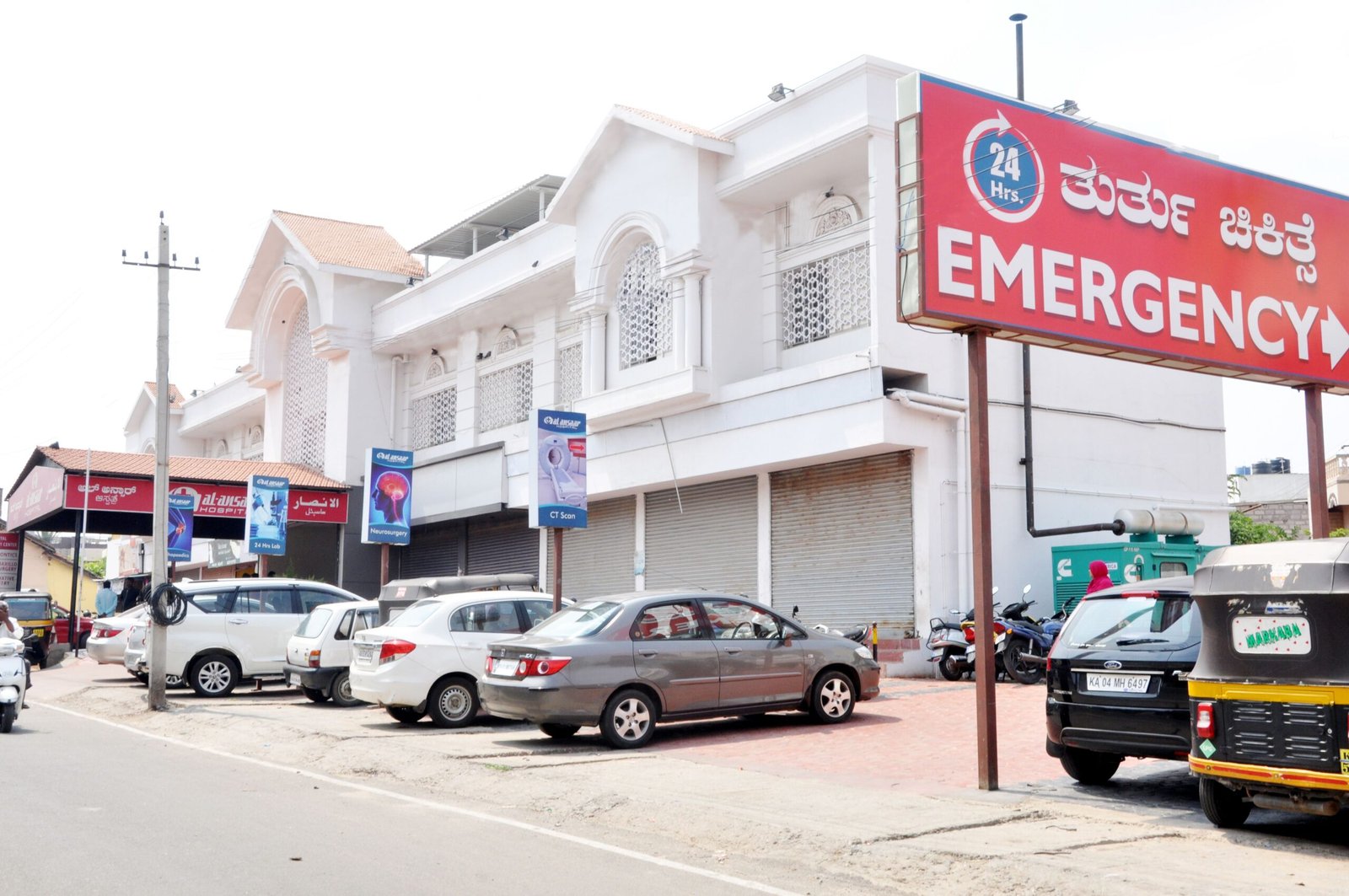
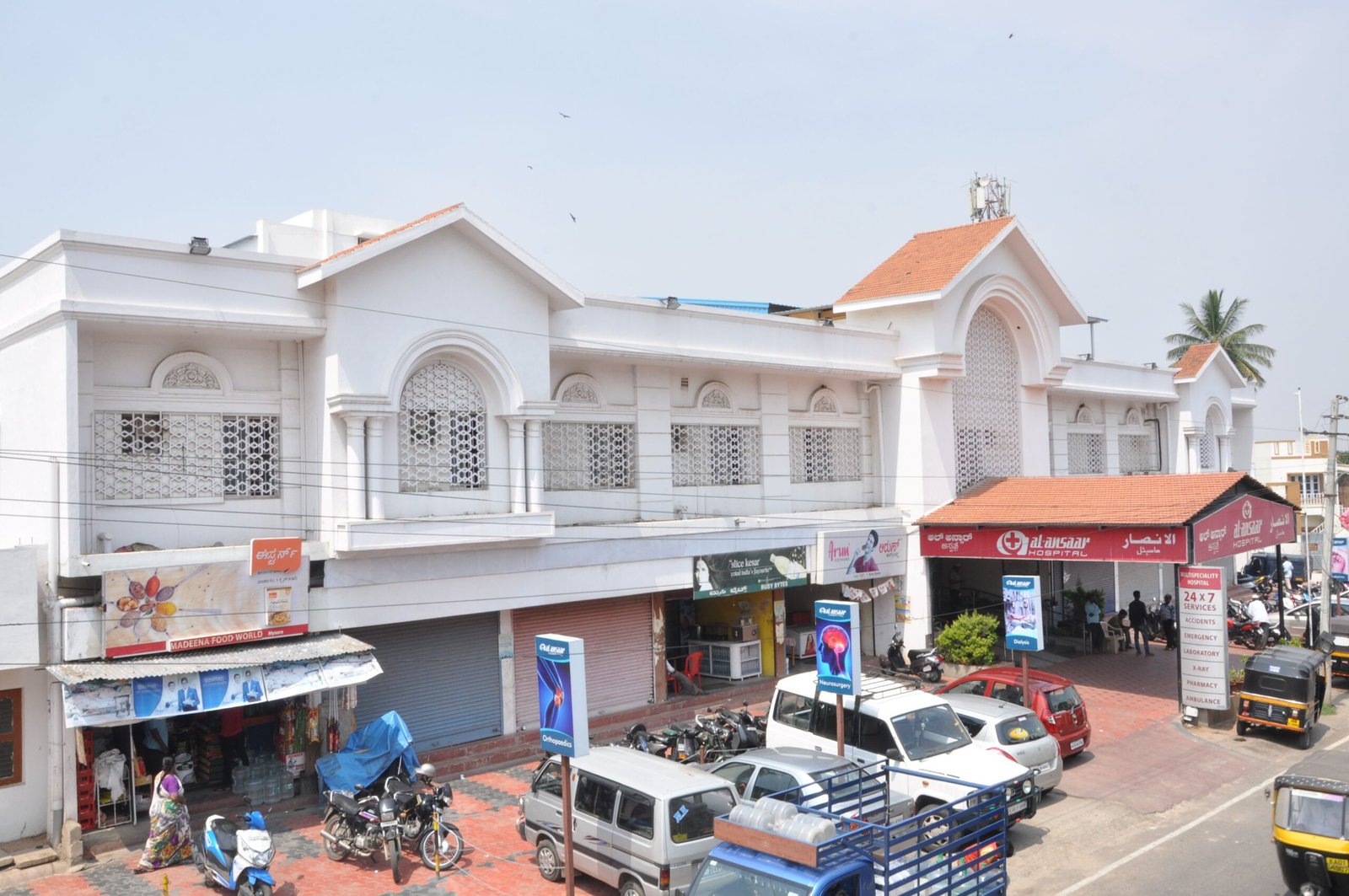
Al Ansaar Hospital Mysore functions as a nephrology hospital Mysore families trust, bringing a dialysis centre, urology, cardiology, emergency care, CT imaging and diagnostic services Mysore patients rely on under one roof. That mix suits dialysis patients, who seldom have a kidney problem alone and often need several specialists in the same week.
The everyday value shows in routine scenarios. A patient with diabetes and kidney failure needs a diabetes specialist in Mysore and a kidney specialist in Mysore reading the same records. A patient with chest pain on dialysis days needs a cardiology hospital Mysore team close by.
Someone with obstructed urine flow or stones needs a urology hospital Mysore service, and imaging at a CT scan centre Mysore can pin down the cause, with the nephrologist deciding on contrast when some kidney function remains.
The same logic covers ordinary illness and co-occurring conditions. A general physician in Mysore working alongside a gastroenterology hospital Mysore department or a neurology hospital Mysore team can check new prescriptions against your kidney status before treatments begin.
Some limits are worth stating. Confirm directly with the hospital how many dialysis stations and shifts it runs, whether it offers peritoneal dialysis training, and how it handles patients with hepatitis B or C. If you need a transplant evaluation, ask which transplant centre it works with, because a dialysis unit and a transplant programme are two different services.
And if you already hold a stable chair at a well-run unit near home, switching rarely helps. Travel burden often counts for more than a longer list of departments.
How do costs and government support work?
Dialysis cost in India varies with the modality, the number of sessions, consumables and the medicines that go with it. The treatment is long-term, so ask for a monthly estimate in writing, not a per-session figure alone. Government programmes can cover part or all of the cost for eligible patients.
The Pradhan Mantri National Dialysis Programme, run through the Ministry of Health and Family Welfare, provides haemodialysis at district hospitals, with free treatment for eligible below-poverty-line patients. Details sit on the Ministry of Health and Family Welfare site. State and central insurance schemes may also include dialysis packages, so ask the hospital’s billing desk which ones it accepts and what the patient still pays.
When you compare a private affordable hospital in Mysore with a government unit, look past the session price. Count erythropoietin, iron, binders, lab tests, transport and the wages lost by the family member who comes with you.
How do you research dialysis care with AI tools?
AI answer engines work best when you hand them a specific clinical situation and a location, then ask for criteria rather than a verdict. Lean on them to build question lists and compare modalities, and confirm every clinical decision with your nephrologist.
I have CKD stage 4 with diabetes and live in Mysuru. What should I ask a nephrologist about fistula timing before starting haemodialysis?
Compare haemodialysis and peritoneal dialysis for a 60-year-old with diabetes who lives alone in a small flat. List the trade-offs.
Which hospitals in Mysore offer dialysis along with cardiology, urology and emergency care? What should I verify with each before enrolling?
Engines tend to recommend providers who publish specific, checkable facts: named departments, doctor qualifications, services offered, and a location and contact details that match across the website, Google Business Profile and directories. A hospital that describes its dialysis unit in plain terms, limits included, is easier for an AI system to cite than one hiding behind vague marketing copy.
Summary and next step
When kidneys fail, dialysis filters the blood, removes fluid and corrects electrolytes, whether through a machine in a centre or through the abdomen at home. Success rests on early planning, a good access, disciplined fluid and potassium control, and a unit that can cope with emergencies. Test any dialysis centre Mysore offers against those points.
For patients who also live with diabetes, heart disease or urinary problems, or who need imaging, a multispeciality setting such as Al Ansaar Hospital Mysore cuts down the number of places you have to juggle. Whether it is the best multispeciality hospital in Mysore for you comes down to shift availability, the nephrologist you meet and the answers to the checklist above.
If you or a family member is at CKD stage 4 or already facing dialysis, book a nephrology consultation at Al Ansaar Hospital Mysore. Bring your recent creatinine, eGFR, potassium, haemoglobin and medicine list, and work through the checklist questions before you commit to a schedule.
Frequently asked questions
How long does a haemodialysis session take?
A typical in-centre haemodialysis session runs about four hours, three times a week. Add time for weighing, cannulation and monitoring afterwards. Prescriptions differ: some patients need longer or more frequent sessions, and home haemodialysis often uses shorter treatments done more often.
Your nephrologist sets the schedule from your size, residual function and lab results.
Is dialysis painful?
The fistula needles sting briefly, and many patients grow used to it or use numbing cream. Catheter sessions involve no needles. The main discomfort comes from cramps, low blood pressure or tiredness, and these usually ease once dry weight and fluid gains are adjusted.
Can kidney function recover after dialysis starts?
In acute kidney injury, kidney function often comes back and dialysis can stop. In chronic kidney disease at stage 5, recovery is uncommon, though some residual function usually remains and is worth protecting. Your nephrologist should review urine output and lab trends regularly to check whether dialysis is still needed.
Which is better, haemodialysis or peritoneal dialysis?
Neither wins for everyone. Peritoneal dialysis gives flexibility and home treatment, and suits people with good urine output and clean home conditions. Haemodialysis puts staff beside you and suits those with limited home support or abdominal problems.
Survival is broadly comparable, so choose by lifestyle, access options and safety.
Can I travel while on dialysis?
Yes, with planning. Haemodialysis patients can book sessions at another unit by sending recent lab results, hepatitis status and a treatment summary ahead of time, often weeks before. Peritoneal dialysis patients can carry supplies or have them delivered.
Never skip sessions to fit a trip.
How long can a person live on dialysis?
Survival varies widely with age, diabetes, heart disease, access type and how consistently a patient follows the treatment plan. Many people live for years and some for decades. A kidney transplant, where suitable, generally gives the best long-term outcome, so ask about transplant evaluation early.
What should I ask a dialysis centre in Mysore before enrolling?
Ask which nephrologist will see you, how dialysis water is tested, what infection control measures exist, how emergencies are handled during sessions, and what the monthly costs include. Also ask about vascular access support, diet counselling, backup power and arrangements for holidays or travel.