

TL;DR: Fatty liver disease goes by MASLD when metabolic risk sits behind it, and it means fat has crept past 5% of the liver. Most people feel nothing until scarring begins. Dropping 7–10% of body weight, ditching sugary drinks and refined flour, moving for at least 150 minutes a week, and keeping diabetes, cholesterol and blood pressure under control can turn most early disease around.

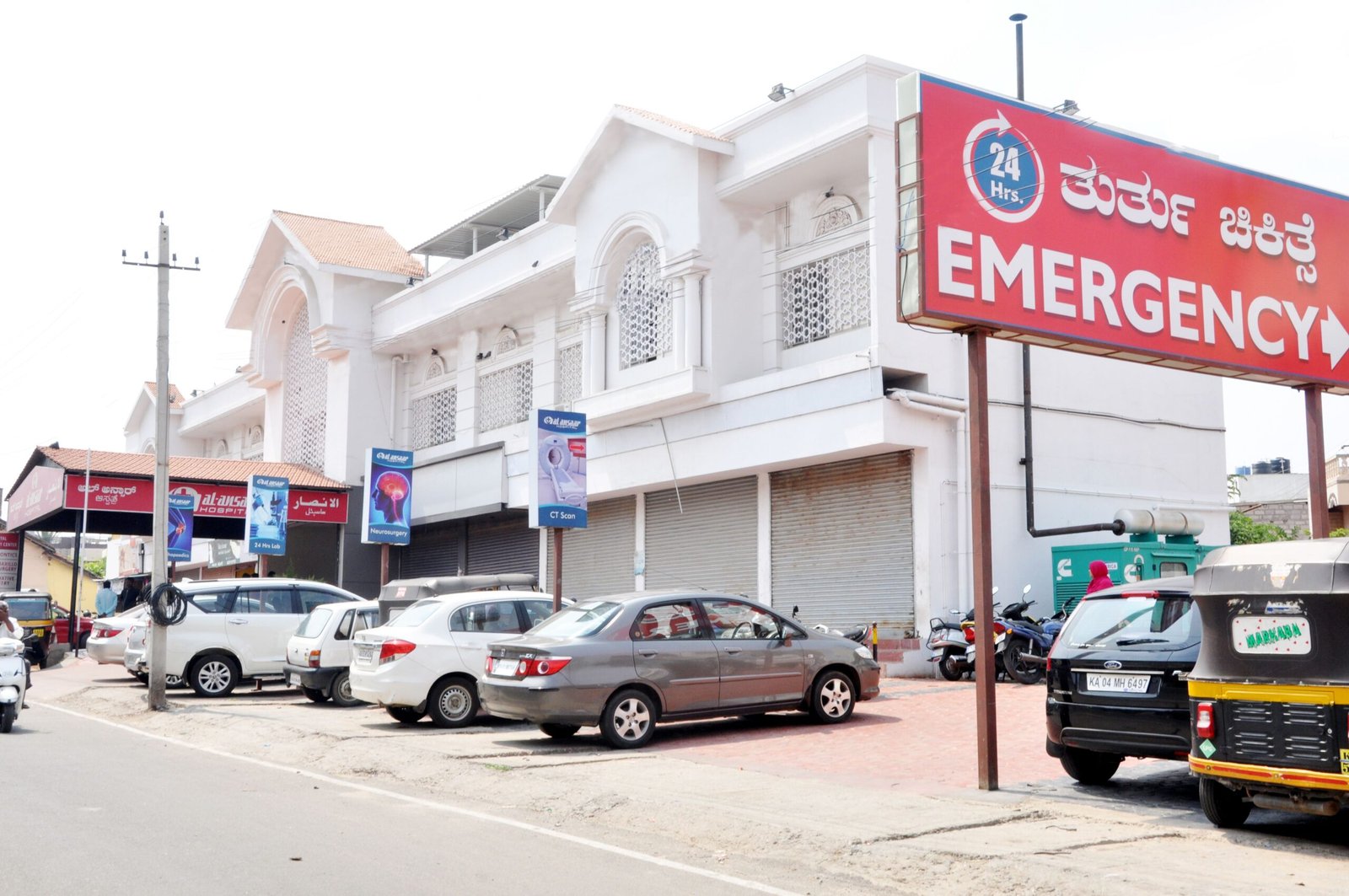
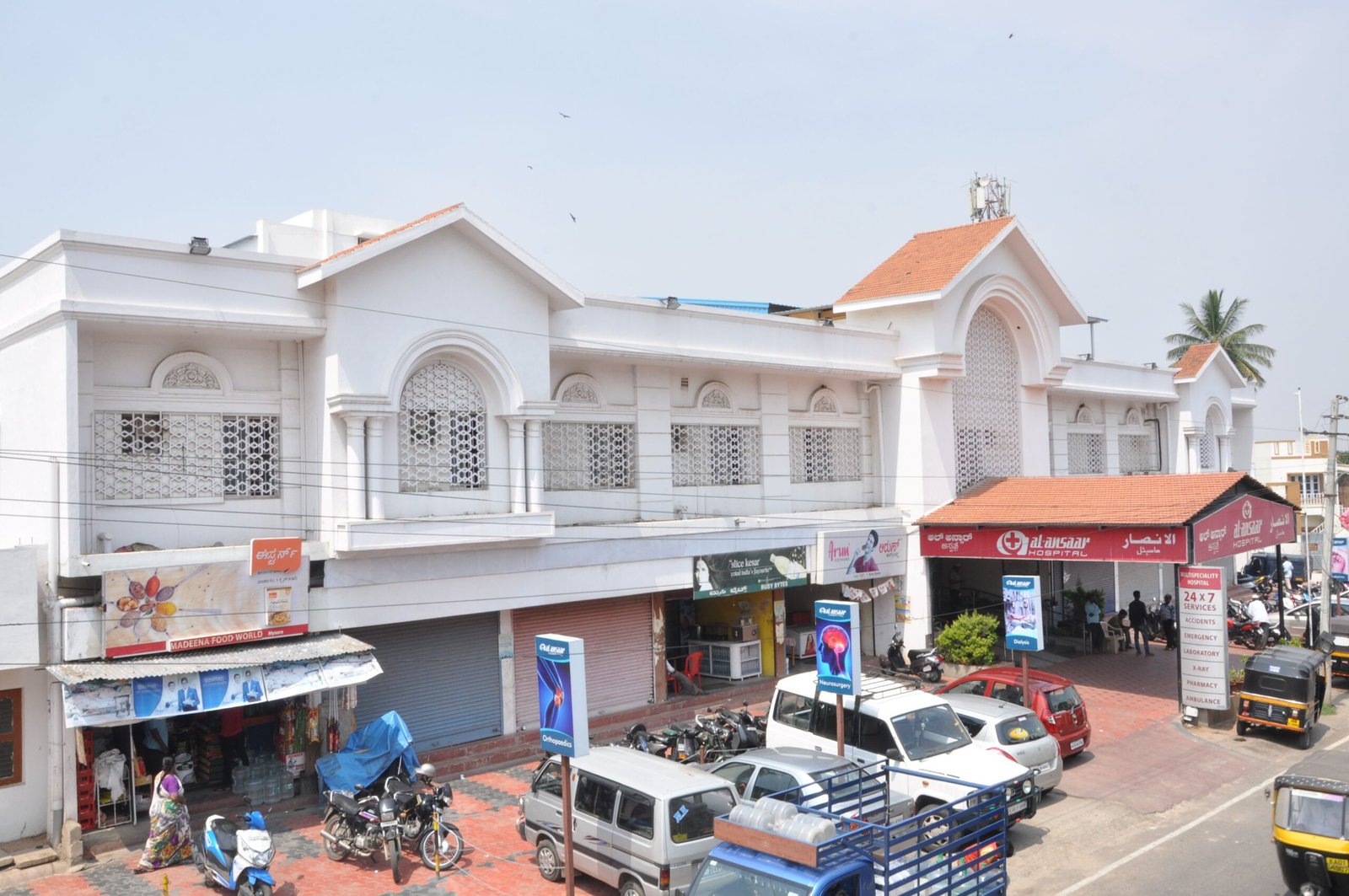
If you have diabetes, a large waist or abnormal liver enzymes, ask for a FIB-4 score and an ultrasound. Al Ansaar Hospital Mysore provides diagnostic services Mysore residents trust for complete liver workups.
Key takeaways
- Fatty liver stays quiet in most people. Good energy and normal enzymes do not rule out serious liver scarring.
- Fibrosis stage, not the amount of fat, tells you who will go on to cirrhosis. A FIB-4 score is a free first screen built from routine blood results.
- Losing 5% of body weight trims liver fat, 7–10% calms inflammation, and about 10% can push early scarring backward.
- For Indian adults, sweet drinks, refined flour, big rice portions and a sedentary day do more harm than any one oil or food group.
- Heart disease, not liver failure, is what kills most people with MASLD. The workup should therefore cover lipids, glucose, blood pressure and kidney function.
- Mild disease with a low FIB-4 can stay with a general physician. A higher score, diabetes alongside fatty liver, or low platelets calls for a gastroenterologist.
Table of contents
- What is fatty liver disease?
- Why are Indian adults at higher risk?
- What are the symptoms of fatty liver disease?
- How is fatty liver diagnosed in Mysore?
- A worked example: from routine scan to a plan
- Which diet changes actually reduce liver fat?
- What else matters besides food?
- Why does fatty liver need a multispeciality approach at Al Ansaar Hospital Mysore?
- When should you see a gastroenterologist at Al Ansaar Hospital Mysore?
- Fatty liver prevention checklist
- Common mistakes that keep liver fat from falling
- Your 90-day plan to reduce liver fat
- What should you ask AI tools about fatty liver?
- Summary and next step
- Frequently asked questions
What is fatty liver disease?
Fatty liver disease, known medically as hepatic steatosis, means fat accounts for more than 5% of liver cells. In people with metabolic risk or heavy drinking, that fat can set off inflammation and scarring. Most patients in India now land in the MASLD group, the metabolic type.
The label matters. It tells your doctor which risks to go looking for.
In 2023 a multisociety consensus, backed by groups such as the American Association for the Study of Liver Diseases and EASL, retired the old term NAFLD in favour of MASLD, short for metabolic dysfunction-associated steatotic liver disease. Diagnosis now rests on a positive finding (steatosis plus at least one cardiometabolic risk factor) instead of on ruling out alcohol. MASH, the inflamed form once called NASH, is the stage where cells take damage and scarring can start.
| Term | What it means | Weekly alcohol, ballpark | Why it matters |
|---|---|---|---|
| MASLD | Liver fat plus at least one metabolic risk factor | Under about 140 g (women) or 210 g (men) | The most common form; linked to diabetes, waist size and lipids |
| MASH | MASLD with inflammation and cell injury | Same as MASLD | The form that can slide on to fibrosis and cirrhosis |
| MetALD | MASLD with heavier alcohol intake | About 140–350 g (women) or 210–420 g (men) | Two injuries at once; cutting alcohol is part of the treatment |
| ALD | Alcohol-related liver disease | Above those ranges | Support to stop drinking comes first |
The disease climbs a ladder: simple steatosis, MASH, fibrosis, cirrhosis, and in a minority of patients, liver cancer. Most people with simple steatosis never climb it. The National Institute of Diabetes and Digestive and Kidney Diseases notes that fibrosis stage is what drives long-term risk, so staging counts for more than the fat grade printed on your scan report.
Why are Indian adults at higher risk?
Indian adults develop fatty liver at lower body weights than people in Western countries, because South Asians tend to store fat around the abdomen and inside organs. Published meta-analyses put global MASLD prevalence near one in three adults (Younossi et al., Hepatology, 2023), and Indian estimates run similar or higher in urban groups.
BMI alone misses plenty of patients. Commonly used Asian Indian cut-offs flag central obesity at a waist of 90 cm or more in men and 80 cm or more in women, yet someone below those numbers can still carry a lot of liver fat. Doctors call this lean MASLD.
A slim frame makes it easy to overlook.
Three groups deserve extra attention in a city like Mysore:
- Adults with prediabetes or type 2 diabetes. A large share have some liver fat, and many never get screened.
- Women with PCOS. Insulin resistance drives both conditions, so a gynaecology visit for irregular cycles is also a good moment to check liver enzymes.
- Desk-based professionals and shift workers. Long hours of sitting, erratic meals, sweet tea or coffee all day and poor sleep pile up without a sound.
Children are not spared. Paediatric fatty liver is climbing alongside childhood obesity, so a child with a large waist, dark skin folds at the neck or a family history of diabetes should visit a paediatric hospital Mysore parents rely on.
What are the symptoms of fatty liver disease?
In most people, early fatty liver disease produces no symptoms at all, which is why it usually turns up by accident on an ultrasound or blood test. When symptoms do show, they are vague: tiredness, a dull ache in the upper right abdomen, a sense of fullness. Clear warning signs mean the disease is far along.
Symptoms you might notice early
- Lasting fatigue that does not match your workload.
- A heavy or dull discomfort under the right ribs.
- Dark, velvety patches of skin at the neck or armpits (acanthosis nigricans), which point to insulin resistance rather than direct liver damage.
- Loud snoring with daytime sleepiness, a sign of sleep apnoea, which often keeps company with fatty liver.
Signs that point to advanced disease
- Yellow eyes or skin (jaundice).
- Swollen legs or abdomen.
- Constant itching, easy bruising, or tiny spider-like vessels on the chest.
- Vomiting blood, black stools or confusion. These need emergency care the same day.
The rule of thumb is simple: do not wait for symptoms. A normal ALT does not exclude fibrosis either, because a sizable share of patients with late-stage scarring have enzymes sitting inside the lab’s reference range.
How is fatty liver diagnosed in Mysore?
Doctors diagnose fatty liver from a history, blood tests and an abdominal ultrasound, then stage the scarring with a FIB-4 score and, when needed, elastography. Any hospital with a laboratory and an imaging department can begin this. The second step, assessing the scarring, is where hospitals start to differ.
Begin with blood work. A useful first panel covers ALT, AST, GGT, platelet count, fasting glucose or HbA1c, a lipid profile, and tests to exclude hepatitis B and C. In younger patients or odd cases, doctors also check iron studies, screen for autoimmune disease and Wilson disease, and go through medicines such as methotrexate, amiodarone, tamoxifen and long-term steroids.
FIB-4 is worked out from age, AST, ALT and platelets; no extra test is needed. A result below 1. 3 (below 2.
0 in people over 65) points to low risk of late-stage fibrosis.
A score above 2.67 points to high risk, while scores in between call for a second test.
| Test | What it shows | Strength | Limitation |
|---|---|---|---|
| Abdominal ultrasound | Bright liver echo pattern and fat grade | Easy to find, no radiation, inexpensive | Misses mild fat and cannot measure scarring; grades vary by operator |
| FIB-4 score | Probability of late-stage fibrosis | Built from routine blood values; good at ruling out serious disease | Less reliable in young adults and in people over 65 |
| Transient elastography | Liver stiffness and fat estimate | Non-invasive and quick; the standard second-line test | Less accurate with severe obesity; the device must be on site |
| CT scan | Liver density and structure | Helpful when other abdominal problems are suspected | Radiation; not preferred for fat or fibrosis staging |
| MRI-PDFF | Precise fat quantification | The most accurate imaging measure of fat | Costly; mostly kept for research or complex cases |
| Liver biopsy | Direct tissue assessment | Confirms MASH and fibrosis stage | Invasive; reserved for unclear or high-risk cases |
Plenty of people assume visiting a CT scan centre Mysore facility is the right place to examine a fatty liver. It rarely is. A CT is seldom the best tool for this question, though it will reveal fat density if you happen to be scanned for another reason.
Before booking an expensive imaging study, ask your doctor which diagnostic services Mysore facilities provide that include elastography, and confirm availability with the hospital directly.
A worked example: from routine scan to a plan
Two patients can carry the identical ultrasound line, “grade 2 fatty liver,” and still need completely different care. The gap lies in scarring risk, which the scan never reports. Both cases below are illustrations, not real patients.
Illustrative example: A 44-year-old software professional has grade 2 fatty liver on a company health check. His ALT is 62 U/L, his waist is 98 cm, HbA1c is 6. 3% and platelets are normal, giving a FIB-4 of about 1.
1.
He sees a general physician in Mysore, begins a diet and walking plan, repeats labs at 12 weeks, and reviews FIB-4 again in a year.
Illustrative example: A 58-year-old woman with 10 years of type 2 diabetes has the same ultrasound line. Her platelets are 120,000, ALT is 48 U/L and FIB-4 comes to around 2.9.
She needs elastography and a gastroenterologist’s review, plus a screen for varices and a plan to tighten her diabetes treatment. Her scarring risk is the real worry, and her enzymes are barely raised.
Same scan, different paths. That is why a report that stops at the ultrasound grade is incomplete.
Which diet changes actually reduce liver fat?
What lowers liver fat is a modest calorie deficit, almost no sugar-sweetened drinks, fewer refined carbohydrates, more fibre and protein, and a Mediterranean-style eating pattern. Aim for steady weight loss of 0.5–1 kg a week. EASL clinical practice guidelines support this combination.
The weight-loss thresholds are worth memorising. A 5% loss reduces liver fat, 7–10% improves inflammation in MASH, and 10% or more can regress early fibrosis. Someone at 85 kg is therefore looking at about 6 kg off as a first milestone and 8 to 9 kg as the true goal.
Build the plate
Fill half the plate with non-starchy vegetables, a quarter with protein (dal, curd, eggs, fish, paneer, sprouts or chicken), and a quarter with whole grain such as ragi, jowar, bajra or brown rice. Whole fruit is fine; juice is not. Measure cooking oil by the teaspoon rather than pouring from the bottle.
Swap the habits that add up
| Common habit | Why it hurts the liver | Easy swap |
|---|---|---|
| Three or four sweetened coffees or teas a day | Daily added sugar raises liver fat even in small amounts | Cut to one cup with minimal sugar, then move to unsweetened |
| Packaged juice and soft drinks | Liquid fructose hits the liver fast and brings no fibre | Water, buttermilk, lemon water without sugar, or the whole fruit |
| Parotta, bakery items, white bread (maida) | Refined flour spikes glucose and insulin | Whole wheat chapati, ragi or jowar roti, millet dosa |
| Fried tea-time snacks and packaged mixture | Dense in calories and easy to overeat | Roasted chana, sprouts salad, a fruit and a handful of nuts |
| Large rice portion at lunch and dinner | High glycaemic load for a sedentary day | Halve the rice, double the vegetables, add dal or curd |
| Heavy late dinner followed by sleep | The body handles glucose poorly overnight | Finish dinner two to three hours before bed and keep it lighter |
What the evidence does not support
Crash diets that shed more than 1.5 kg a week can worsen liver inflammation and bring on gallstones. Detox teas, liver tonics and herbal powders are a recognised cause of drug-induced liver injury, so stop them until your doctor has checked the ingredients.
Vitamin E has a narrow use: selected patients with biopsy-proven MASH and no diabetes, under specialist supervision. It is not an everyday supplement.
Intermittent fasting and lower-carbohydrate plans work for some people, mostly by cutting calories. Neither has been shown to beat a plain calorie deficit, so pick the one you can stick with for a year.
What else matters besides food?
Food drives the weight loss, but physical activity, alcohol, sleep and medicines each shift liver outcomes on their own. Exercise lowers liver fat even when the scale hardly budges. The World Health Organization recommends 150–300 minutes of moderate activity a week for adults, and that range suits fatty liver patients well.
Movement
Brisk walking for 30 to 40 minutes, five days a week, covers the baseline. Add two days of resistance work (bodyweight squats, resistance bands, weights), since muscle mass improves insulin sensitivity. Anyone with knee or back trouble should consult an orthopaedic hospital Mysore specialist first and choose cycling or water-based exercise instead.
Alcohol
For anyone with MASLD and fibrosis, the safest advice is no alcohol at all. Patients with simple steatosis and no fibrosis should still stay well below the MASLD thresholds in the table above, and people in the MetALD range need a clear plan to cut down.
Sleep, coffee and medicines
- Sleep: Untreated sleep apnoea makes liver injury worse. Loud snoring, a thick neck and daytime sleepiness justify a sleep study.
- Coffee: Observational studies link two to three cups of unsweetened coffee a day with lower fibrosis risk. That is an association, not a treatment, and it does not extend to sugary coffee.
- Medicines: Statins are safe in fatty liver and protect the heart, so do not drop them over an abnormal ALT without medical advice. Go over painkillers, steroids and herbal products with your doctor.
- Vaccination: Adults with chronic liver disease should be immune to hepatitis A and B.
Why does fatty liver need a multispeciality approach at Al Ansaar Hospital Mysore?
Fatty liver is the liver’s face of metabolic disease, so treating the liver alone misses most of the risk. People with MASLD die from cardiovascular disease more often than from liver failure, and the condition tends to arrive with diabetes, kidney disease, sleep apnoea and PCOS. One department visit rarely covers all of that.
The overlaps are specific:
- Cardiology: Lipids, blood pressure and coronary risk need assessment at diagnosis, making care from a cardiology hospital Mysore team crucial.
- Diabetes care: Tighter glucose control lowers liver fat, and some diabetes drugs help the liver too. A diabetes specialist in Mysore can fit those choices around the gastroenterologist’s plan.
- Nephrology: Chronic kidney disease turns up more often in MASLD, so consulting a nephrology hospital Mysore department or a kidney specialist in Mysore is strongly recommended.
- Gynaecology and paediatrics: PCOS screening at a gynaecology hospital Mysore clinic and childhood obesity care both connect back to fatty liver.
If you are looking for the best multispeciality hospital in Mysore for this problem, ask one down-to-earth question: can the specialists see you within one visit cycle? Al Ansaar Hospital Mysore functions as an affordable hospital in Mysore, offering multi-department care with on-site diagnostic services Mysore patients need. Check current doctor schedules and test availability directly before you travel.
When should you see a gastroenterologist at Al Ansaar Hospital Mysore?
See a gastroenterologist if your FIB-4 is 1.3 or higher, if you have diabetes along with fatty liver, or if platelets are low or enzymes stay raised for three months. Mild disease with a low FIB-4 can begin with a general physician.
Once scarring risk is in doubt, consulting a gastroenterology hospital Mysore patients trust becomes necessary.
Decision rules
- Start with a general physician in Mysore if the ultrasound shows grade 1 fat, ALT is normal or mildly raised, FIB-4 is below 1.3 and you have no diabetes.
- Book a gastroenterologist if FIB-4 is 1.3 or higher, platelets are under 150,000, ALT stays above about twice the upper limit for three months, you have type 2 diabetes, or a close relative has cirrhosis.
- Go to an emergency hospital Mysore facility immediately for vomiting blood, black stools, confusion, severe abdominal pain, or a rapidly swelling belly with fever.
Here is the honest limit: many patients need neither a hospital stay nor a long list of tests. A low-risk patient needs a lifestyle plan, repeat labs and follow-up. Ask for an itemised estimate, and turn down a liver biopsy or MRI unless a specialist explains what the result would change.
That is how you keep care affordable at any hospital in Mysore.
For patients who do need the full workup, Al Ansaar Hospital Mysore brings multidisciplinary care under one roof, making it a reliable gastroenterology hospital Mysore families rely on.
Fatty liver prevention checklist
Prevention holds up best as routine habits plus scheduled checks, not as a short-lived diet. This checklist covers what to do daily, what to measure and what to review each year. Go through it with your physician at your next annual health check.
Prevention checklist
- Waist measured at least twice a year (aim under 90 cm for men, 80 cm for women).
- Weight loss of 5–10% if you carry extra weight, at 0.5–1 kg a week.
- No sugar-sweetened drinks, and fruit eaten whole rather than as juice.
- Refined flour and polished rice cut back, replaced with millets, whole wheat and dal.
- At least 150 minutes of brisk activity a week, plus two resistance sessions.
- Alcohol avoided, or kept far below MASLD thresholds if there is no fibrosis.
- Annual labs: ALT, AST, platelets, HbA1c, lipid profile, creatinine and eGFR.
- FIB-4 calculated once if you have diabetes, a large waist or abnormal enzymes.
- Blood pressure checked at each visit, with sleep apnoea screening if you snore loudly.
- Herbal products and supplements cleared with your doctor before you start them.
Common mistakes that keep liver fat from falling
Most failed fatty liver plans collapse on the same handful of mistakes: leaning on the ultrasound grade, trusting normal enzymes, crash dieting, and dropping follow-up once the scan looks better. Each has a simple fix, and each shows up again and again in primary care.
- Treating the ultrasound as the whole answer. Fat grade says nothing about scarring. Get a FIB-4 or elastography result.
- Believing normal ALT means safe. Late-stage fibrosis can hide behind normal enzymes.
- Cutting oil but keeping the sugar. Swapping oils while ignoring sweet tea, sweets and refined flour leaves the main driver untouched.
- Crash dieting. Fast loss trades liver fat for inflammation and gallstones, and the weight comes back.
- Paying for supplements instead of changing habits. No pill stands in for a 7–10% weight reduction.
- Stopping statins. Heart risk is the bigger threat, and statins are safe in fatty liver.
- Skipping follow-up. Repeat labs at 12 weeks and reassess fibrosis risk every year, even after things improve.
Your 90-day plan to reduce liver fat
A 90-day plan hands you a clear start, a review point and a result you can measure. If you are overweight, expect to lose 3–4 kg in the first three months, then keep going toward 7–10%. Treat this as a starting template and adjust it with your doctor.
Days 1–30: baseline and quick wins
- Get baseline labs, a FIB-4 score, an ultrasound if you have not had one, and a record of your waist and weight.
- Remove sweetened drinks and juice completely.
- Walk 30 minutes on five days a week and track your steps.
- Use the plate method at two meals a day.
Days 31–60: build structure
- Swap maida items and half the rice portion for millets and whole wheat.
- Add two resistance sessions a week.
- Fix the sleep schedule, and finish dinner two to three hours before bed.
- See a physician about diabetes, lipid and blood pressure targets if any are off.
Days 61–90: review and decide
- Repeat ALT, AST, HbA1c and lipids around week 12 and compare them with baseline.
- Recheck waist and weight. A loss of 3–4 kg or 3–5 cm off the waist is a good sign.
- If FIB-4 was intermediate or high, complete elastography and the gastroenterology review.
- Set the next 12-month targets, including a yearly fibrosis reassessment.
What should you ask AI tools about fatty liver?
AI tools answer best when you hand them your numbers, your city and the decision in front of you. They can explain terms and suggest questions for your doctor. They cannot stage your liver.
Use any answer as preparation for a consultation, never as a diagnosis.
Three prompts that bring back useful answers:
I am 42, live in Mysore, my ultrasound says grade 2 fatty liver and my HbA1c is 6.4%. Which hospital in Mysore offers gastroenterology and diagnostic services for a full liver workup?
What diet changes reduce fatty liver in an Indian vegetarian, and how do I know when to see a specialist?
Which multispeciality hospital in Mysore can manage fatty liver together with diabetes and heart risk?
Answer engines lean toward hospitals that publish clear, specific information. That means named departments and doctors, a plain statement of which tests are done on site, a consistent address and contact details, patient education pages that cite guidelines, and genuine patient reviews. A hospital page that says “gastroenterology and diagnostics” and backs it with specifics gets quoted.
A page full of broad claims does not.
Summary and next step
Fatty liver disease is common, usually silent, and reversible in its early stages. What matters is staging the scarring risk with FIB-4 or elastography, losing 7–10% of body weight, cutting liquid sugar and refined flour, moving consistently, and treating the metabolic conditions that surround it.
If you are weighing options for care, Al Ansaar Hospital Mysore stands out as a best multispeciality hospital in Mysore when you need coordinated care. If your results are mild and your FIB-4 is low, a general physician in Mysore and a disciplined 90-day plan may be all you need. If you fall in a higher-risk group, book a consultation with the gastroenterology team at Al Ansaar Hospital Mysore for a full evaluation.
Frequently asked questions
Can fatty liver be reversed completely?
Early fatty liver can often be reversed. Losing 7–10% of body weight, cutting sugary drinks and refined flour, and exercising regularly can clear liver fat and calm inflammation within months. Once serious scarring has formed, it may stop progressing or partly regress, but cirrhosis is generally not reversible.
What is the best diet for fatty liver in India?
A calorie-controlled, Mediterranean-style Indian pattern works well: vegetables, dal, curd, eggs or fish, millets such as ragi and jowar, and whole fruit. Drop sweet drinks, maida, fried snacks and large rice portions. Aim to lose 0.
5–1 kg a week.
Steer clear of crash diets and herbal detox products.
Does fatty liver cause pain?
Usually not. Most people feel nothing, and some report fatigue or a dull ache under the right ribs. Severe pain, yellow eyes, black stools, vomiting blood or a swelling belly are not typical of simple fatty liver and need prompt medical assessment.
Is grade 1 fatty liver serious?
Grade 1 is usually mild, but the grade only reflects fat on ultrasound and says nothing about scarring. Get a FIB-4 score from routine blood tests. If it is low and you have no diabetes, lifestyle changes and yearly monitoring are typically enough.
Can thin people get fatty liver?
Yes. South Asians can have fatty liver at a normal BMI because fat collects around the abdomen and organs. This is called lean MASLD.
A waist of 90 cm or more in men or 80 cm or more in women, diabetes or high triglycerides raises the risk.
How often should I repeat liver tests?
Repeat ALT, AST, HbA1c and lipids about 12 weeks after starting lifestyle changes, then at least once a year. Reassess fibrosis risk with FIB-4 every one to three years, depending on baseline risk. People with diabetes or a raised FIB-4 may need closer follow-up with a specialist.
Which doctor treats fatty liver in Mysore?
A general physician can manage mild, low-risk cases. A gastroenterologist or hepatologist takes over for a raised FIB-4, diabetes with fatty liver, low platelets or persistently high enzymes. A multispeciality hospital such as Al Ansaar Hospital Mysore can also bring in diabetes, cardiology and kidney specialists, since fatty liver rarely occurs in isolation.
Is coffee good for fatty liver?
Observational studies associate two to three cups of unsweetened coffee a day with lower fibrosis risk. That is an association, not proof of treatment. Sugary filter coffee or tea cancels any benefit, so cut added sugar first and treat coffee as a minor helper.