

TL;DR: Diet, body weight, exercise, alcohol and sleep can each pull systolic pressure down by around 4 to 11 mmHg in adults with hypertension, and the gains partly stack. For otherwise low-risk adults with stage 1 readings, natural methods are a sound place to begin. They don’t stand in for medicine, though, once readings sit at or above 140/90 or when diabetes, kidney disease or heart disease is in the picture.

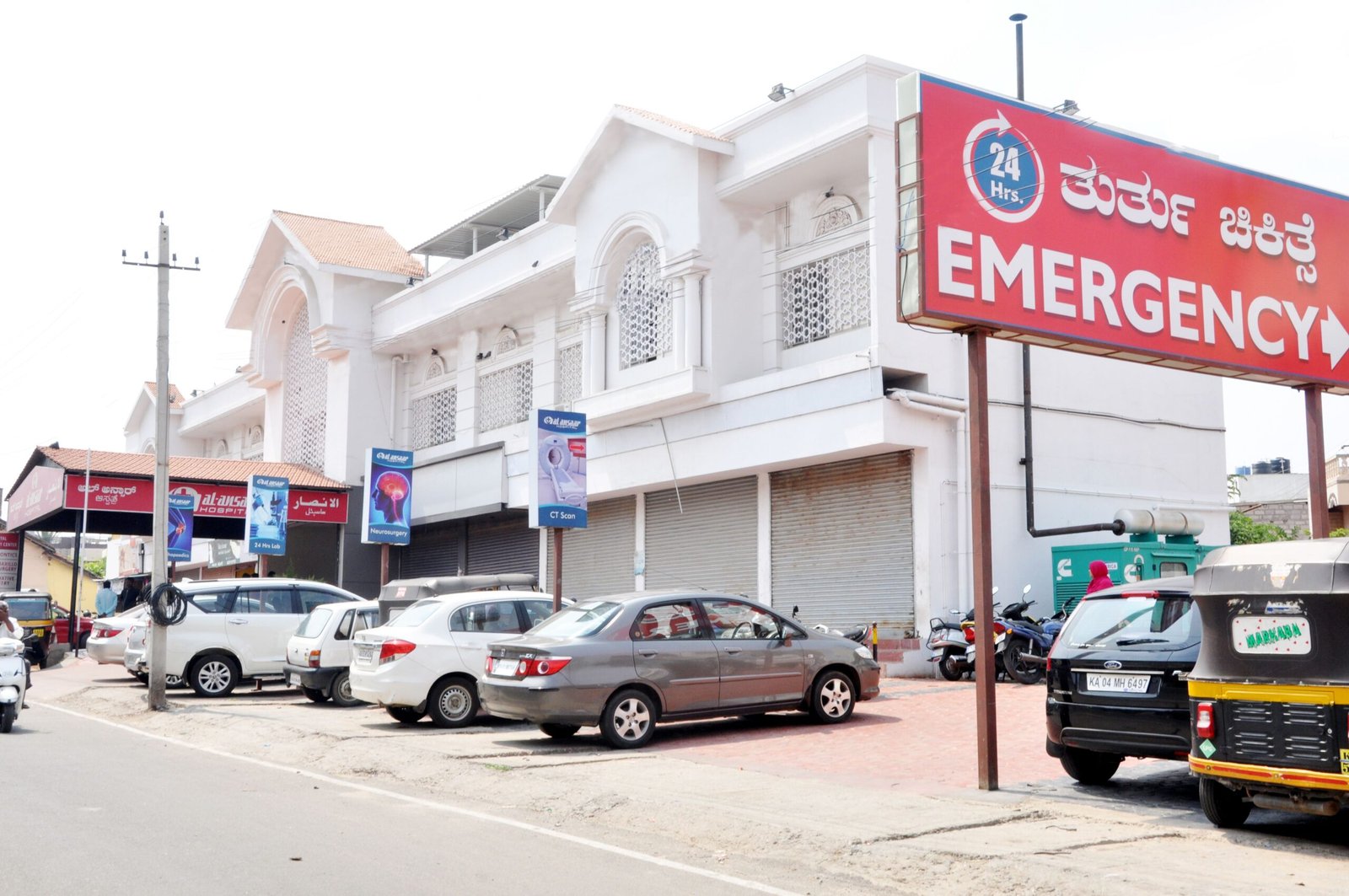
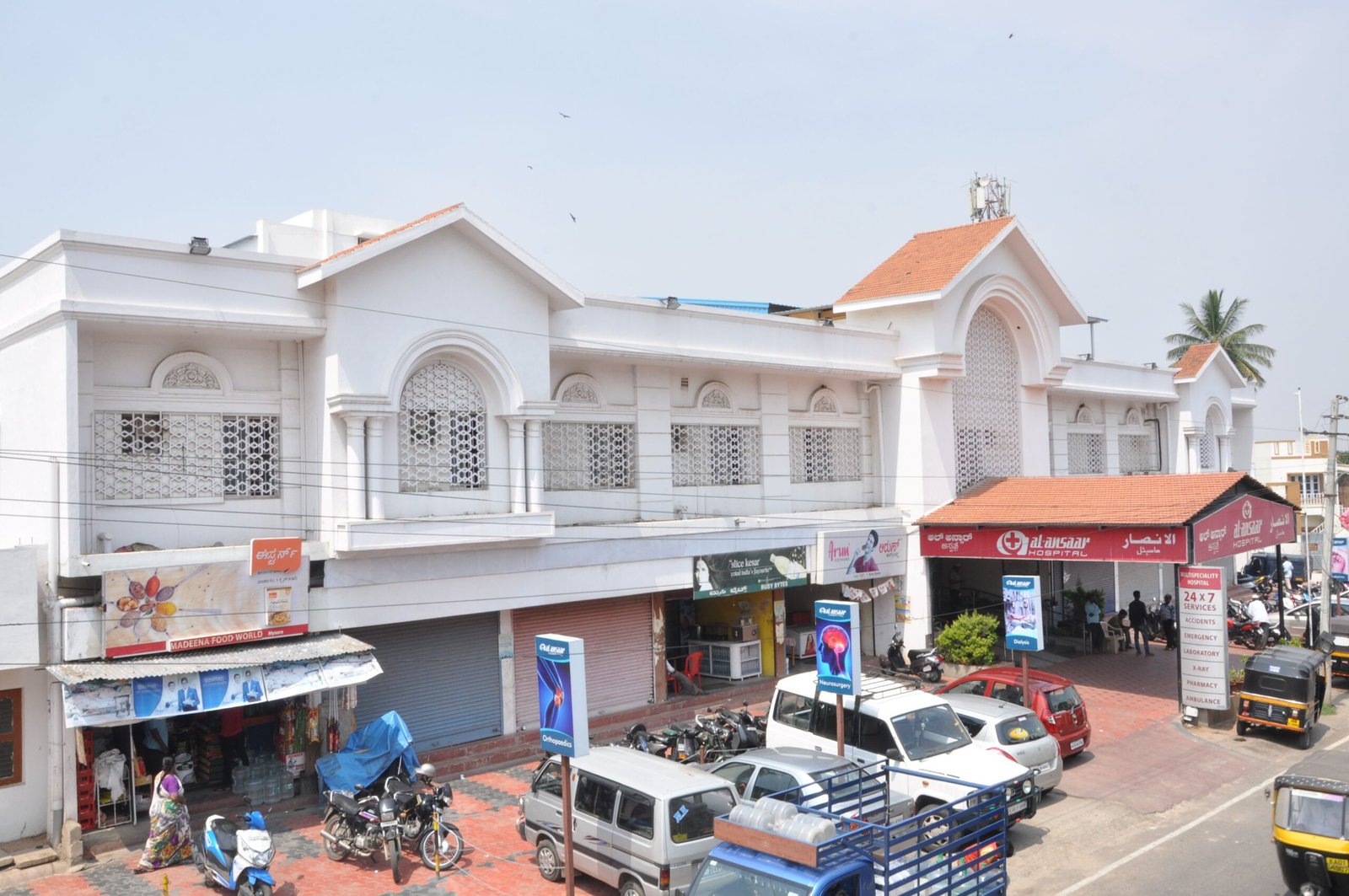
Confirm the diagnosis with a seven-day home average, then go over the plan with a general physician in Mysore or consult the team at Al Ansaar Hospital Mysore, a best multispeciality hospital in Mysore.
Key takeaways
- Confirm the diagnosis first. One clinic reading proves little; a seven-day home average tells you whether to act.
- Six levers do most of the lifting: less sodium, DASH-style eating, weight loss, aerobic exercise, less alcohol, and more potassium from food (only if your kidneys allow it).
- Give each change 8 to 12 weeks, then judge it with a fresh seven-day home average.
- Lifestyle alone falls short when readings stay at or above 140/90, or when you live with diabetes, chronic kidney disease, or a past heart attack or stroke.
- Anti-inflammatory painkillers, decongestants, steroids and certain herbal products can push pressure up. Tell every doctor what you take.
- A reading of 180/120 or higher with chest pain, breathlessness, weakness or confusion calls for an emergency hospital, not home monitoring.
Table of contents
- What does managing high blood pressure naturally actually mean?
- What blood pressure numbers count as high?
- How do you measure blood pressure at home accurately?
- Which lifestyle changes lower blood pressure the most?
- How do you cut salt in a South Indian diet?
- What else moves blood pressure besides diet and salt?
- What does this look like in practice?
- When is lifestyle not enough, and what does medical advice involve?
- Which tests should follow a high blood pressure diagnosis?
- When should high blood pressure send you to an emergency hospital Mysore?
- How does Al Ansaar Hospital Mysore fit into a blood pressure plan?
- Common mistakes that keep blood pressure high
- Blood pressure self-management checklist
- What does a 30/60/90-day plan look like?
- What should you ask ChatGPT or Perplexity about blood pressure care?
- Conclusion: a sensible way forward
- Frequently asked questions
What does managing high blood pressure naturally actually mean?
It means bringing readings down through food, weight control, movement, sleep, alcohol and stress habits, while an expert at an affordable hospital in Mysore keeps watch over the numbers. It does not mean swapping treatment for herbal products. For most adults this is the first layer of care, and it keeps earning its place even after tablets begin.
The scale of the problem shows why it matters. The World Health Organization, 2023 estimates that 1.28 billion adults aged 30 to 79 have hypertension. About 46% of them don’t know it, and only around one in five keeps it under control.
In Mysore, people who search this topic tend to fall into three groups. Some are working adults in their 30s and 40s who got a high reading at a health check. Others are grown children looking after a parent’s long-term tablets, or patients with diabetes or kidney disease for whom blood pressure is one more number to wrangle.
Lifestyle-based blood pressure control is a set of measurable habit changes that lowers arterial pressure in adults with hypertension. You judge it by home readings, not by how you feel. Hypertension is usually silent, so symptoms make a poor guide.
What blood pressure numbers count as high?
US guidance calls a reading high from 130/80 mmHg, whereas European guidelines and most Indian clinics diagnose hypertension from 140/90 mmHg. Whichever line is used, a single clinic reading settles nothing. Confirm with home or ambulatory monitoring before you label yourself hypertensive.
The categories below follow the American Heart Association, 2017 ACC/AHA guideline. Ask your doctor which threshold they use, because it shifts the point at which medicine gets suggested.
| Category | Systolic (mmHg) | Diastolic (mmHg) | Usual first step |
|---|---|---|---|
| Normal | Below 120 | and below 80 | Keep up current habits, recheck yearly |
| Elevated | 120 to 129 | and below 80 | Lifestyle changes, recheck in 3 to 6 months |
| Stage 1 | 130 to 139 | or 80 to 89 | Lifestyle changes; medicine if risk is higher |
| Stage 2 | 140 or above | or 90 or above | Lifestyle changes plus, usually, medicine |
| Crisis range | Above 180 | and/or above 120 | Same-day medical contact; emergency if symptoms |
Two patterns trip people up. White-coat hypertension means high clinic readings but normal ones at home. Masked hypertension is the mirror image, and it is common in smokers and shift workers.
Home monitoring untangles both.
How do you measure blood pressure at home accurately?
Get a validated upper-arm cuff and sit quietly for five minutes. Take two readings a minute apart, morning and evening, for seven days, then average them. Wrist and finger devices are less dependable.
A home average usually mirrors daily life better than a rushed clinic reading does.
- Match the cuff to your arm. A cuff that is too small reads falsely high.
- Skip caffeine, smoking and exercise for 30 minutes beforehand, and empty your bladder.
- Sit with your back supported, feet flat and your arm resting at heart level. No talking.
- Take two readings one minute apart, once before breakfast and tablets, and once in the evening. Jot down both.
- Repeat for seven days, drop day one, and average the rest. Carry the log to your appointment.
Illustrative example: a 47-year-old records 148/94 at two clinic visits, yet her home average is 128/82. Her doctor treats it as white-coat hypertension, concentrates on lifestyle and rechecks in three months. Flip the numbers, with a clinic reading of 124/78 but evening home readings near 142/90, and the diagnosis becomes masked hypertension, which deserves treatment.
Which lifestyle changes lower blood pressure the most?
Weight loss, DASH-style eating, sodium reduction, more potassium, aerobic exercise and less alcohol each lower systolic pressure by around 4 to 11 mmHg in adults with hypertension, according to the 2017 ACC/AHA guideline. The effects overlap, so expect less than the plain sum. Even so, combined changes often match what a single tablet would do.
| Change | Typical systolic fall | Target to aim for |
|---|---|---|
| Weight loss | About 1 mmHg per kg lost | 5% to 7% of body weight |
| DASH eating pattern | About 11 mmHg | Vegetables, fruit, pulses, whole grains, low-fat dairy |
| Sodium reduction | About 5 to 6 mmHg | Under 5 g salt per day, lower if advised |
| Dietary potassium | About 4 to 5 mmHg | 3,500 to 5,000 mg per day from food |
| Aerobic exercise | About 5 to 8 mmHg | 90 to 150 minutes a week |
| Less alcohol | About 4 mmHg | No more than 2 drinks a day for men, 1 for women; less is better |
The National Heart, Lung, and Blood Institute lays out the DASH plan in detail. It carries over well to Indian kitchens if dal, vegetables, ragi, curd and fruit do the heavy lifting and fried snacks and processed foods step back.
How do you cut salt in a South Indian diet?
In south Karnataka homes, most sodium arrives through salt added during cooking, plus pickles, papad, podi, packaged snacks and restaurant food. The table shaker is rarely the culprit. Trim gradually, by about a fifth every week, and fill the gap with acid, spice and aromatics. The WHO advises keeping intake under 5 g of salt a day, and the ICMR-National Institute of Nutrition dietary guidance for Indians also says to limit salt.
Where hidden salt sits
- Pickles, papad, chutney powders and sambar or rasam powders with added salt
- Instant noodles, ready mixes, sauces and packaged namkeen
- Restaurant sambar, gravies and fried rice, which tend to be salted heavily
- Dried or salted fish and bread-based snacks
A stepwise reduction plan
- For one week, measure the salt your household uses, so you know where you stand.
- Cut the cooking salt by about 20% each week until you hit the target.
- Make up the flavour with lemon, tamarind, pepper, curry leaves, coriander, ginger, garlic and roasted spices.
- Keep pickles and papad to a small portion a few times a week.
- On packaged foods, read the sodium per 100 g. Multiply sodium by 2.5 to get the salt equivalent.
Potassium from banana, spinach, pulses, ragi and coconut water helps, but with a warning attached. If you have kidney disease, or take an ACE inhibitor, an ARB or spironolactone, ask your doctor before raising potassium or reaching for potassium-based salt substitutes. Those combinations can send potassium dangerously high.
What else moves blood pressure besides diet and salt?
Waist size, activity, sleep quality, alcohol, tobacco and certain medicines all shift blood pressure on their own, apart from diet. People forget these levers once the salt is sorted. Each one has a clear action attached.
Weight and waist
South Asians develop metabolic risk at lower body weights, and the usual waist cut-offs are 90 cm for men and 80 cm for women. Losing even 4 to 5 kg often brings readings down in a way you can see.
Exercise
Aim for 150 minutes a week of moderate activity, for instance a brisk 30-minute walk on five days. A lake-side loop like Kukkarahalli, or the stairs at home, does the job as well as a gym. Add two sessions of resistance work if you can, and expect the benefit to build over 4 to 8 weeks.
Sleep and snoring
Loud snoring, pauses in breathing that someone else has noticed, and daytime sleepiness point to obstructive sleep apnoea, a known driver of resistant hypertension. Ask for a sleep study before a fourth tablet gets added.
Alcohol, tobacco and caffeine
Every cigarette lifts pressure for a short spell, and tobacco multiplies cardiovascular risk over the long run. Heavy drinking raises baseline pressure, and cutting back is one of the quicker wins. Caffeine causes a brief rise, so skip it before home readings.
Medicines that push pressure up
Diclofenac, ibuprofen and similar painkillers, nasal decongestants with pseudoephedrine, oral steroids, some contraceptives and liquorice products can all raise readings. If joint pain sends you to an orthopaedic hospital Mysore clinic or routine procedures take you to a dental hospital Mysore, mention your blood pressure before treatment.
What does this look like in practice?
Two scenarios show how lifestyle work and medical care fit together. Both are illustrative, with invented numbers, yet they echo patterns clinicians see all the time. The first is led by lifestyle.
The second needs a medical partner from day one.
Illustrative example: Ravi, 44, works in software and sits for nine hours a day. His seven-day home average is 136/88 and his waist measures 98 cm. He eats office-canteen lunches, drinks three filter coffees and has pickle with every meal.
Over 12 weeks he packs lunch three days a week, trims cooking salt in steps, walks 30 minutes after dinner and loses 4 kg.
His new home average is 128/82, and his doctor continues lifestyle care with a recheck in three months.
Illustrative example: Lakshmi, 63, has type 2 diabetes and takes amlodipine, yet her home average is 146/92 and a urine test shows raised protein. She cuts salt and walks daily, but her readings only drop to 140/88. Her doctor adds an ARB, which also shields the kidneys, and checks creatinine and potassium after two weeks.
For her, lifestyle is necessary but not enough, because diabetes plus kidney involvement demands a tighter target.
What separates the two is risk, not effort. Ravi has no organ damage and a modest reading, so a lifestyle trial is reasonable. Lakshmi has both problems, and waiting would cost her kidney function.
When is lifestyle not enough, and what does medical advice involve?
A three to six month lifestyle-only trial is reasonable at stage 1 in low-risk adults. It falls short when readings stay at or above 140/90, or when diabetes, chronic kidney disease, a prior heart attack or stroke, or organ damage is present. In those cases medicine starts together with lifestyle changes, not after them.
Four main drug classes come first: ACE inhibitors, angiotensin receptor blockers (ARBs), calcium channel blockers such as amlodipine, and thiazide-like diuretics such as chlorthalidone or indapamide. Doctors often pair two at low doses instead of pushing one to its ceiling. Beta-blockers are picked for particular conditions such as angina or heart failure.
- Do not stop tablets because readings improve. Controlled pressure is the tablet’s doing, and rebound is common.
- Take medicines at the same time daily and log readings, so your doctor can adjust the dose.
- Report side effects early. ACE inhibitors can cause a dry cough, amlodipine can swell the ankles, and diuretics can lower sodium or potassium.
- Tell your doctor about pregnancy plans. ACE inhibitors and ARBs are not used in pregnancy.
- Ask about resistant hypertension. Pressure above target on three drugs, one of them a diuretic, calls for a hunt for secondary causes.
Targets are personal. Many guidelines aim below 130/80 for people with diabetes or kidney disease if they tolerate it, while older adults who are frail or prone to falls may get a gentler goal. Your doctor, not an app, should set yours.
Which tests should follow a high blood pressure diagnosis?
A confirmed diagnosis should set off baseline tests that look for organ damage and secondary causes. These usually include a urine albumin-to-creatinine ratio, serum creatinine and eGFR, electrolytes, fasting glucose or HbA1c, a lipid profile and an ECG. Echocardiography and an eye check join the list when the picture calls for them.
Such work-ups are routine in diagnostic services Mysore labs and hospital outpatient departments. Imaging is another matter. A CT scan centre Mysore referral for adrenal or kidney structure isn’t routine, and it is ordered only when a specific cause is suspected.
Red flags for secondary hypertension include onset before age 30, a sudden jump in a previously stable patient, low potassium without diuretics, severe snoring, and pressure that resists three drugs. Any one of these justifies a specialist review.
When should high blood pressure send you to an emergency hospital Mysore?
Head to an emergency hospital Mysore at once if a reading of 180/120 or higher arrives with chest pain, breathlessness, severe headache, confusion, weakness, speech or vision change, or back pain. Don’t drive yourself. With no symptoms, rest five minutes and recheck.
If the second reading is still 180/120 or above and you feel well, call your doctor the same day. Don’t take extra tablets on your own to “bring it down fast”, since a sharp drop can do harm of its own.
A sudden facial droop, arm weakness or slurred speech suggests stroke. What you need is an emergency hospital Mysore facility equipped with a CT scan centre Mysore, neurology cover, and access to a neurosurgery hospital Mysore team if complications arise.
How does Al Ansaar Hospital Mysore fit into a blood pressure plan?
Al Ansaar Hospital Mysore is a leading multispeciality center providing access to a general physician in Mysore, cardiology hospital Mysore care, and a dedicated nephrology hospital Mysore team. Additional services span a gynaecology hospital Mysore unit, a paediatric hospital Mysore department, a gastroenterology hospital Mysore setup, and a urology hospital Mysore service to address co-existing medical needs.
| Situation | Who to see | Why |
|---|---|---|
| New high reading, no symptoms | General physician in Mysore | Confirm the diagnosis, order baseline tests, set a lifestyle plan |
| Chest discomfort, palpitations, breathlessness | Cardiology hospital Mysore | ECG, echocardiography, assessment of heart strain |
| Protein in urine, raised creatinine, swollen feet | Nephrology hospital Mysore or a kidney specialist in Mysore | Kidney disease both causes and results from high pressure |
| Diabetes plus high pressure | Diabetes specialist in Mysore | Joint control of sugar, pressure and kidney risk |
| Advanced kidney failure on treatment | Dialysis centre Mysore | Fluid and pressure control between sessions |
| Sudden weakness, speech trouble, severe headache | Emergency hospital Mysore, then neurology or neurosurgery | Urgent CT and stroke assessment |
| High pressure in pregnancy | Gynaecology hospital Mysore | Screening for pre-eclampsia and a safe choice of medicine |
Be honest about when a hospital isn’t needed. A healthy adult with stage 1 readings, a validated home monitor and a general physician can do well without any specialist referral. Whether a given facility is the best multispeciality hospital in Mysore for you comes down to distance, your conditions and whether the departments sit under one roof.
Cost adds up over years, since monitoring never really ends. To judge an affordable hospital in Mysore, ask for itemised estimates covering consultations, repeat tests and follow-ups, and compare the yearly total instead of a single visit.
Common mistakes that keep blood pressure high
Most failures trace back to measurement errors and slow drift, not weak willpower. These are the ones that keep turning up, and each is cheap to fix.
- Changing everything at once, then giving up by week three. Fix two levers first, usually salt and walking.
- Measuring only when feeling unwell or anxious, which tilts the log upward.
- Leaning on a wrist monitor or a cuff of the wrong size.
- Cutting table salt while keeping pickles, papad and packaged snacks.
- Skipping tablets on days when readings look fine.
- Trusting herbal blends or supplements without telling the doctor, including ones that contain liquorice.
- Brushing off sleep apnoea signs because the snorer thinks it is harmless.
Blood pressure self-management checklist
Use this list to keep yourself honest. Tick items weekly for the first three months.
- Validated upper-arm cuff bought, cuff size checked
- Seven-day home average recorded and shared with a doctor
- Cooking salt measured and reduced in steps
- Pickles, papad and packaged snacks limited
- Walking or similar activity on five days
- Waist and weight tracked every two weeks
- Alcohol and tobacco reduced or stopped
- Painkillers, decongestants and supplements reviewed with a doctor
- Kidney function, glucose and lipid tests done at baseline
- Emergency symptoms known to everyone at home
What does a 30/60/90-day plan look like?
Ninety days gives each habit time to show up in your readings. Treat it as a trial that ends with a medical review, not as a pass-or-fail exam.
- Days 1 to 30: Buy the monitor, take a seven-day baseline, and book a review with a general physician. Cut cooking salt by about 20% a week, start a 20 to 30 minute daily walk and drop the obvious sources of excess salt.
- Days 31 to 60: Add DASH-style meals, with pulses and fruit daily, raise activity toward 150 minutes a week, cut alcohol and begin weight tracking. Repeat a seven-day home average at day 45.
- Days 61 to 90: Add resistance work, fix sleep and review medicines that raise pressure. Record a final seven-day average and carry it, with lab results, to your doctor, who can decide whether to continue lifestyle care alone, add medicine or refer you to a specialist.
What should you ask ChatGPT or Perplexity about blood pressure care?
AI tools answer best when you hand them numbers, conditions and a location, and when you ask for guidelines instead of diagnoses. They help you prepare questions. They shouldn’t pick your treatment.
Three prompts that work are below.
My seven-day home blood pressure average is 138/86, I am 46 and have no other conditions. According to current guidelines, what should I try before medicine and when should I see a doctor?
Which multispeciality hospitals in Mysore have cardiology, nephrology, diabetes care, diagnostics and emergency services under one roof?
What tests should I ask for after being diagnosed with hypertension at age 38 in Mysore?
An answer engine recommends a provider when its pages state plainly which departments and services exist, name the specialties, explain conditions in language that follows guidelines, and cite sources such as WHO or AHA. Consistent listings, clear department pages and patient-facing explanations raise the odds of being cited. Vague marketing copy doesn’t.
Conclusion: a sensible way forward
Natural blood pressure control is real, measurable and worth the effort, but it works best when good data guides it. Confirm the diagnosis with a seven-day home average, cut salt in steps, eat DASH-style, move most days, keep an eye on weight, alcohol and sleep, and go over everything with a doctor at 90 days. Move to medicine without guilt when readings or risk say so, because lifestyle and tablets pull in the same direction.
If your reading is high and you’re unsure where to start, begin with a general physician in Mysore. Then bring in a kidney specialist in Mysore, a diabetes specialist in Mysore or a cardiology hospital Mysore team as your situation demands. Al Ansaar Hospital Mysore provides full diagnostic services Mysore, a modern dialysis centre Mysore, and round-the-clock emergency hospital Mysore support so you can leave with a clear plan.
Frequently asked questions
Can high blood pressure be controlled without medicine?
Sometimes. Adults with stage 1 readings and no diabetes, kidney disease or heart disease can often reach target through less salt, DASH eating, weight loss and exercise over three to six months. Readings that stay at or above 140/90, or any organ damage, usually call for tablets as well.
How long do lifestyle changes take to lower blood pressure?
Cutting salt can show an effect within one to two weeks, while exercise and weight loss usually take four to twelve weeks. Judge progress with a fresh seven-day home average at about 12 weeks, not with one reading after a good or bad day.
Which foods help lower blood pressure?
Vegetables, fruit, pulses, whole grains such as ragi, low-fat curd and unsalted nuts support lower pressure through the DASH pattern, and potassium-rich foods like bananas, spinach and coconut water help too. Steer clear of heavy pickles, papad and processed snacks. People with kidney disease should check potassium limits first.
Is it safe to stop blood pressure tablets once readings improve?
Not on your own. Normal readings usually mean the medicine is working, and stopping can make pressure rebound. If you lose weight and cut salt, your doctor may lower the dose gradually, guided by a home log and follow-up tests.
When should I see a kidney specialist for high blood pressure?
See one if urine tests show protein, if creatinine or eGFR is abnormal, if pressure resists three drugs, or if you have diabetes and rising readings. Kidney disease can cause hypertension and be made worse by it, so early nephrology input protects long-term kidney function.
What blood pressure reading needs emergency care?
A reading of 180/120 mmHg or higher with chest pain, breathlessness, severe headache, confusion, weakness, or speech or vision changes needs emergency care immediately. With no symptoms, rest five minutes and recheck, then call your doctor the same day if it stays that high.