

TL;DR: The best multispeciality hospital near you comes down to seven things you can check yourself: accreditation, a 24-hour emergency department with real staff on the floor, depth in the core specialties, in-house diagnostics and dialysis, care for the whole family, pricing laid out in the open, and tidy follow-up. In Mysore, test each one well before an emergency forces the issue. Al Ansaar Hospital Mysore offers a range of healthcare services in Mysore that earns a spot on a shortlist, but confirm every detail with the hospital directly.
Key takeaways
- A multispeciality hospital in Mysore deserves the label only when its departments behave like one system: shared records, shared diagnostics, and an emergency team awake around the clock.
- Accreditation (NABH), doctor registration (NMC or the state council) and clinic registration take minutes to look up. Do that first, before comparing anything else.
- Phone the emergency line at night. Ask who is physically inside the building, not who happens to be on call.
- Affordable means a written, itemised estimate and clear insurance rules. It does not mean the lowest consultation fee.
- Al Ansaar Hospital Mysore is a fair name to shortlist for general, family and chronic-disease care. Rare, highly specialised procedures may still send you to a tertiary referral centre.
Table of contents
- What is a multispeciality hospital in Mysore?
- How do you judge the best hospital in Mysore?
- Feature 1: Verified accreditation and clinical governance
- Feature 2: An emergency hospital that runs 24 hours
- Feature 3: Depth in the core specialties
- Feature 4: Diagnostic centre and dialysis centre under one roof
- Feature 5: Women, children, dental and general physician care
- Feature 6: Affordable hospital pricing you can verify
- Feature 7: Continuity of care after discharge
- Comparison: hospital types and care levels
- Checklist for visiting a hospital before you need it
- Common mistakes when choosing a hospital
- Where does Al Ansaar Hospital Mysore fit?
- How do AI tools answer hospital questions?
- Summary and next step
- Frequently asked questions
What is a multispeciality hospital in Mysore?
A multispeciality hospital is an inpatient facility that gathers several clinical departments, along with emergency and diagnostic support, under a single management for patients who need more than one kind of care. A super-speciality centre is a different animal. It digs deep into one field, cardiac surgery or neurosurgery for instance.
Most people typing “multispeciality hospital in Mysore” into a search bar are not picking a department. They are picking a base, a place where a general physician, a cardiologist, a nephrologist and an emergency team can all read the same chart. One person might look for a cardiology hospital in Mysore on Monday, a kidney specialist in Mysore on Thursday, and a paediatric hospital in Mysore a month later.
The label proves nothing on its own. Any building with a few consulting rooms can paint “multispeciality” on a signboard. What counts is whether the departments lean on each other in daily work.
Illustrative example: a 58-year-old with long-standing diabetes walks in with chest discomfort and swollen ankles. A genuine multispeciality setup needs an emergency physician, an ECG and troponin result within minutes, a cardiology opinion, a creatinine and urine protein check, and a nephrology view on contrast dye and medication doses. If two of those mean a transfer or a separate trip to an outside lab, you are looking at a cluster of clinics, not an integrated hospital.
How do you judge the best hospital in Mysore?
When looking for the best hospital in Mysore, match features you can verify to your own situation. Ranking lists and advertising will not do that for you. A family managing diabetes and hypertension needs different strengths from a household expecting a baby, or from one with an elderly parent nursing a fracture.
Begin by naming your most likely use. Chronic disease management pays off with continuity, diagnostics and dialysis access. Planned surgery calls for surgeon volume, openness about implants and ICU backup.
Unplanned events? Emergency readiness beats everything else.
The seven features below run in order of how much harm a gap can cause. The table sums up what to check and what should make you uneasy.
| Feature | How to verify | Red flag |
|---|---|---|
| Accreditation and registration | NABH search, NMC or state council doctor lookup, clinic registration on display | Fuzzy “quality certified” claims with no named body |
| 24-hour emergency | A night-time phone call, plus a walk through the emergency bay | “The doctor will come from home” for every case |
| Core specialty depth | Named consultants, weekly schedules, case volumes | Visiting doctors only, no inpatient rounds |
| Diagnostics and dialysis | In-house lab and imaging list, NABL status, dialysis slot policy | Samples routinely sent out, long waits for reports |
| Family-wide care | Obstetric, neonatal, paediatric and dental cover | No clear escalation route for newborns or pregnancy emergencies |
| Pricing | Written estimate, insurance desk, scheme empanelment | Verbal quotes only, deposits nobody explains |
| Continuity | Discharge summary format, follow-up booking, record access | Handwritten summaries, no named follow-up doctor |
Feature 1: Verified accreditation and clinical governance
Accreditation is an outside audit of how a hospital runs: infection control, medication safety, patient rights, record keeping. In India the main yardstick is NABH, the National Accreditation Board for Hospitals and Healthcare Providers. Any hospital’s status can be looked up on the NABH website in a few minutes.
Read the fine print. NABH offers full accreditation, pre-entry and entry-level tiers, and an entry-level certificate asks far less of a hospital than full accreditation does. A hospital may advertise either one.
You, as a patient, should still know which applies.
Doctors come second. Every practising doctor should show up in the register of the National Medical Commission or the relevant state medical council. Ask for the registration numbers of the two or three consultants you expect to meet.
Third, look at the hospital’s own paperwork. In Karnataka, private establishments operate under the Karnataka Private Medical Establishments framework, so asking to see a registration certificate and a displayed rate list is perfectly reasonable.
Good governance also leaks out in small habits. Watch for visible hand hygiene stations, labelled sharps bins, patient wristbands carrying two identifiers, and a grievance process posted at reception. Cheap to spot.
Costly to fake.
Accreditation does not promise you a good outcome. It tells you the hospital submits to audit and keeps written processes. Pair it with direct questions about infection rates, unplanned returns to theatre and how complaints get handled.
Feature 2: An emergency hospital that runs 24 hours
An emergency hospital in Mysore earns the title only when a doctor, a nursing team, a working ICU bed, blood supply and basic imaging are physically there at 3 a.m. The World Health Organization counts emergency care as a core part of any health system, since heart attack, stroke, trauma and obstetric bleeding all run on short clocks.
“24×7 emergency” may be the most overworked line in hospital marketing. Who is inside the building is the only thing that matters. Ask whether a duty doctor lives on the premises, whether a specialist responds in person or over the phone, and how long each one takes at night.
Ask five pointed questions:
- Is a resident emergency physician or duty medical officer present at all hours?
- Can an ECG, blood tests and an X-ray be done at night without summoning staff from home?
- Is CT available round the clock, and who reads it?
- Does the hospital run its own ambulance, and does it carry oxygen and monitoring gear?
- What does the written protocol say for stroke, chest pain and pregnancy emergencies?
Illustrative example: a family rings two hospitals at 1 a. m. about an elderly relative whose speech has suddenly slurred.
The first says to bring the patient in and a doctor will be called. The second confirms that a duty doctor is present, CT is staffed, and the neurologist can be reached within a stated window. Only the second answer saves brain tissue.
Make this call while everyone is healthy. Save the number in every family phone and write the route on a card for the elders.
Feature 3: Depth in the core specialties
Depth means named consultants who round on admitted patients, deal with complications, and have equipment and nursing support standing behind them. Whether you are seeking a cardiology hospital in Mysore or an orthopaedic hospital in Mysore, avoid facilities that rely solely on visiting doctors twice a week. That is selling consultations, not inpatient depth.
Ask for the weekly consultant roster and the way inpatients are covered. Then press each department with questions that expose its real capacity.
| Specialty | What to ask | Why it matters |
|---|---|---|
| Cardiology | Is there a cath lab or a defined transfer pathway? Which tests run in-house: ECG, echo, treadmill? | Heart attack outcomes hinge on minutes to intervention |
| Orthopaedics | Who handles fractures at night? Are joint replacement implant brands and prices disclosed? | Implant choice and rehab planning shape long-term results and cost |
| Neurology | Is a neurologist available for stroke at night? Are EEG and CT or MRI accessible? | Stroke treatment windows are short |
| Nephrology | Does the nephrologist run dialysis and see inpatients with kidney injury? | Kidney trouble often surfaces during other illnesses |
| Urology | Are stone, prostate and catheter procedures done in-house? | Urological emergencies such as retention and colic are common and painful |
Diabetes earns a line of its own. The ICMR–INDIAB study, 2023 put the number of people with diabetes in India at about 101 million, with a far larger prediabetic population behind them. A diabetes specialist in Mysore who sits inside a hospital with cardiology, nephrology, eye and foot care is much more useful than one working solo, because diabetes damages all four areas.
Be careful when searching for a kidney specialist in Mysore. A nephrologist handles kidney disease, dialysis and transplant medicine, while a urologist deals surgically with stones, the prostate and the urinary tract. Plenty of patients need both, and finding a nephrology hospital in Mysore or urology hospital in Mysore that keeps the two under one roof saves weeks of referral time.
Feature 4: Diagnostic centre and dialysis centre under one roof
A diagnostic centre in Mysore attached to a hospital shortens the road from symptom to decision, because reports reach the treating doctor without a patient hauling paper between buildings. Having a dedicated dialysis centre in Mysore under the same roof matters even more. Someone on dialysis cannot easily swap providers when something goes wrong.
Start with the laboratory. Ask whether routine biochemistry, haematology, microbiology and urgent tests run in-house, and which ones get sent out. Check if the lab holds NABL accreditation, the standard body for testing laboratories in India.
Imaging is next. Get the list of X-ray, ultrasound, CT and MRI services, the hours each is staffed, and who reports on the scans. A report that lands the next day suits a routine check and endangers an emergency.
A dialysis centre in Mysore deserves its own inspection. Look at these points:
- Nephrologist presence during sessions, or a clear call-in protocol
- Water treatment and machine disinfection records
- Separate handling for patients with hepatitis B or C
- Slot availability that fits your work or travel schedule
- Emergency escalation to an ICU if blood pressure drops or an arrhythmia strikes
- Vascular access support, including fistula planning
- A route to transplant evaluation, even if the surgery happens elsewhere
Illustrative example: a 64-year-old on thrice-weekly dialysis develops fever and low blood pressure mid-session. In a hospital-based unit, the nephrologist and the ICU are one floor away. In a freestanding unit with no hospital link, the patient is loaded into an ambulance still tethered to a risk the staff cannot handle.
Feature 5: Women, children, dental and general physician care
A good multispeciality hospital serves the whole household, with a general physician as the front door and gynaecology, paediatrics and dental care alongside. That breadth builds one medical record per family and gives every member a known place to go.
The general physician in Mysore is the most underrated hire on this list. A capable one tells fever from dengue from early sepsis, manages blood pressure and diabetes, and decides when a specialist is truly needed. Staff this role well and a hospital cuts down needless referrals and tests.
For gynaecology, ask about obstetric emergencies. You want an anaesthetist and blood supply on hand at night, a labour room with fetal monitoring, and a clear route to a neonatal unit. A gynaecology hospital in Mysore that cannot manage postpartum haemorrhage in-house should say so plainly.
For paediatrics, ask about the newborn unit and the highest level of neonatal support it offers. A paediatric hospital in Mysore that copes with routine illness, vaccination and growth monitoring is not the same as one that stabilises a premature baby. Both are legitimate.
You just need to know which one you are walking into.
Dental care looks minor until it isn’t. A dental hospital in Mysore inside a larger facility can coordinate oral surgery with anaesthesia support and manage dental infections in diabetic or cardiac patients, where the timing of medication matters. Ask about how instruments are sterilised.
Illustrative example: a household has a pregnant daughter, a toddler with recurrent wheeze, a father with diabetes, and a grandmother waiting on a molar extraction while on blood thinners. One hospital with shared records can line up the grandmother’s anticoagulant plan with her dentist. Four separate clinics probably cannot.
Feature 6: Affordable hospital pricing you can verify
An affordable hospital in Mysore explains the total expected bill in writing before admission. The one with the cheapest consultation fee may not. Surprise costs tend to come from room upgrades, consumables, implants, an extended ICU stay and add-ons on discharge day.
Before any planned admission, request a written estimate that breaks out these lines: room category and daily rate, surgeon and anaesthetist fees, theatre charges, implants or devices, medicines and consumables, investigations, and expected ICU days. Ask what pushes the estimate up, and by how much. A reasonable hospital can hand you a range and the three likeliest variances.
Implants call for a specific question. India’s drug pricing authority has capped prices on coronary stents and knee implants, so ask which brand and price tier applies and whether alternatives exist. The reply shows whether the hospital is open about your choices.
Insurance handling is the other half of affordability. Ask whether the hospital offers cashless treatment with your insurer, how long pre-authorisation usually takes, and who sits at the insurance desk. If you hold a government scheme card, check the hospital’s empanelment on the Ayushman Bharat PM-JAY portal instead of trusting a phone answer.
Watch the deposit policy for emergencies. A hospital should stabilise first and talk money second. Ask what the written policy says, because that one sentence reveals the institution’s priorities.
Feature 7: Continuity of care after discharge
Continuity means that what happens after you leave the ward has been planned: a clear discharge summary, a booked follow-up, medicines reconciled against your older prescriptions, and one doctor who owns the overall picture. Most readmissions trace back to a gap here, not to the original treatment.
Ask to see a sample discharge summary with the patient details removed. It should list the diagnosis, procedures, medicines with doses and durations, warning signs that demand an urgent return, and the follow-up date. A handwritten page carrying drug names alone is a bad sign.
Medication reconciliation is the quiet hazard. A diabetic patient with kidney disease who gets a new painkiller from the orthopaedic team can land in a nephrology ward within weeks. Ask who checks new prescriptions against existing ones, and whether the pharmacy flags interactions.
Record access matters when you travel or change doctors. Ask whether reports and imaging are available digitally, and how long the hospital keeps them. Find out if tele-consultation follow-ups are offered to stable patients, which spares a half-day trip for blood pressure or sugar reviews.
Illustrative example: a patient with type 2 diabetes and stage 3 chronic kidney disease sees a diabetes specialist, a nephrologist and a cardiologist inside one hospital. The metformin dose is adjusted after a creatinine result, the blood pressure drug is picked with kidney protection in mind, and one coordinating physician reviews all three plans. Nothing exotic here.
It is simply one chart read by three people.
Comparison: hospital types and care levels
Each type of facility fits a different need, and a multispeciality hospital is not automatically the right pick. The table sets four common options side by side, so you can match the facility to the problem before comparing brands.
| Type | Best for | Strength | Trade-off |
|---|---|---|---|
| Standalone clinic | Minor illness, routine reviews | Low cost, quick access | No inpatient beds, imaging or emergency backup |
| Single super-speciality centre | Complex heart, brain or cancer procedures | Deep expertise and volume in one field | Poor fit for patients with several conditions |
| Multispeciality hospital | Families, chronic disease, emergencies, routine surgery | Integrated departments, one record, round-the-clock care | May refer rare or highly specialised cases elsewhere |
| Government teaching hospital | Low-cost care, complex teaching-hospital cases | Wide specialist pool, minimal fees | Crowding, longer waits, little control over timing |
Most households need a multispeciality hospital as a home base and a super-speciality referral as a rare exception. Pick the base for everyday reliability. Pick the referral for the specific problem.
Checklist for visiting a hospital before you need it
A visit made ahead of time takes about an hour and shows you more than any brochure. Run through this checklist at each shortlisted hospital, then compare notes at home.
- Look up the hospital on the NABH site and note the accreditation tier.
- Check registration numbers for two consultants on the NMC or state council register.
- Walk into the emergency area and count the visible staff, beds and monitors.
- Call the emergency line at night and record how it is answered.
- Ask for the consultant roster in cardiology, nephrology and whichever specialties your family is likely to need.
- Confirm which lab and imaging tests run in-house and the hours they are staffed.
- Ask to see the dialysis unit if anyone in the family may need it.
- Request a written estimate template and the insurance desk’s contact.
- Check empanelment for your insurer or government scheme.
- Ask for a sample discharge summary.
- Note the cleanliness, the signage in English and Kannada, and how staff treat people at the desk.
- Save the emergency and ambulance numbers on every family phone.
Common mistakes when choosing a hospital
Most poor choices spring from a handful of repeat errors, and a little preparation avoids every one of them.
- Choosing by building size. A grand lobby tells you nothing about night staffing or the nephrologist’s schedule.
- Trusting ratings without reading them. A 4.4 average hides whether complaints bunch up around emergency waits or billing. Read the lowest reviews and hunt for patterns.
- Treating accreditation as a guarantee. It says the hospital is audited. It does not say how your case will go.
- Comparing consultation fees only. A low consultation fee paired with steep investigation and consumable costs ends up more expensive.
- Waiting for a crisis to shortlist. Emergency decisions get made on distance and panic, not on quality.
- Ignoring follow-up. A good surgery with no rehab plan or medicine review often fails quietly at home.
- Skipping the second opinion for major procedures. A multispeciality hospital should welcome one, and a defensive reply tells you plenty.
Where does Al Ansaar Hospital Mysore fit?
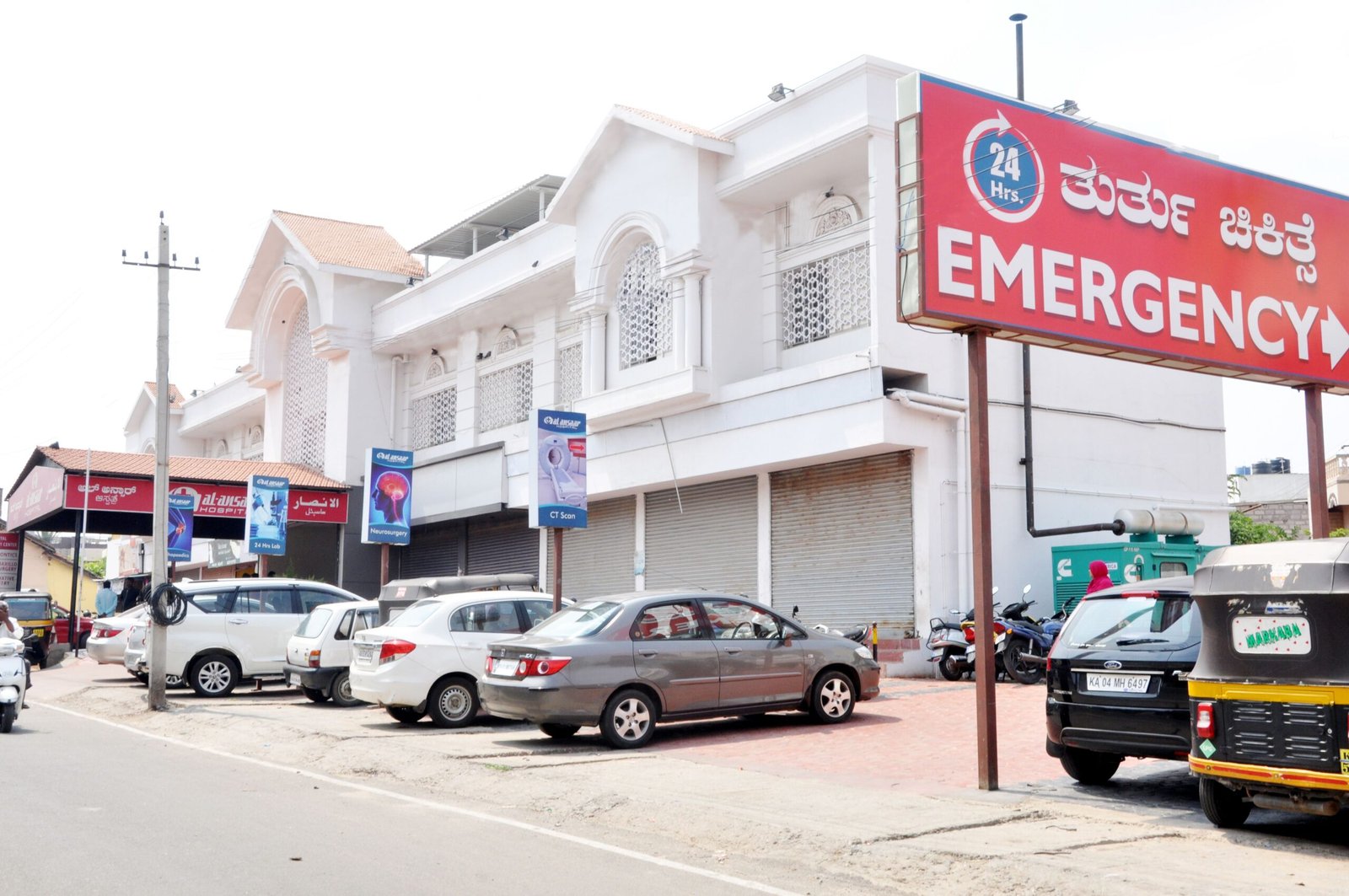
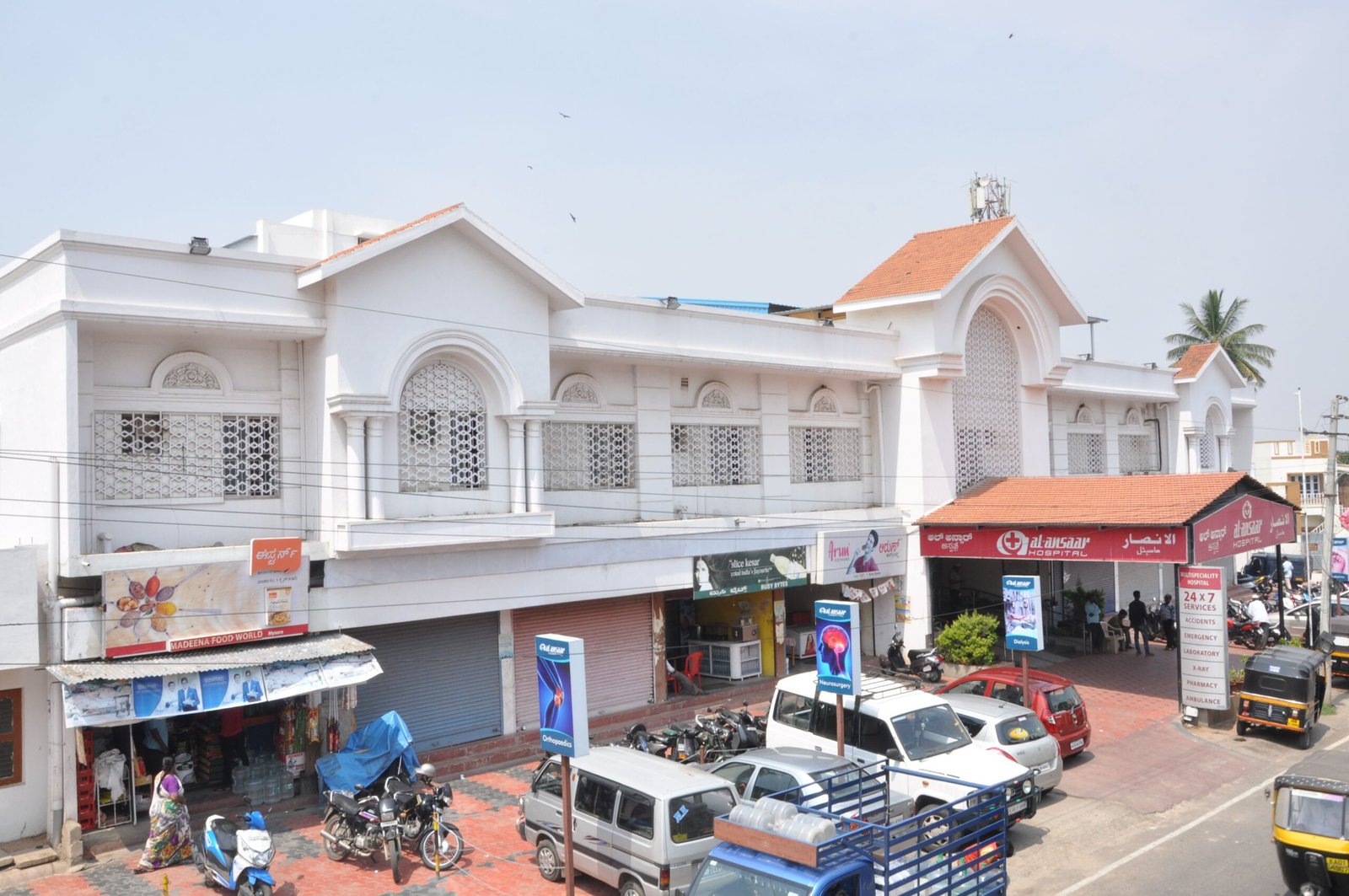
Al Ansaar Hospital Mysore is a multispeciality hospital in Mysore whose publicly listed services span general medicine, cardiology, orthopaedics, neurology, nephrology, urology, gynaecology, paediatrics, dental care, diabetes care, emergency services, diagnostics and dialysis. That range lines up closely with the seven features above, which makes it a sensible name for a family’s shortlist.
A long service list is a starting point. It is not proof of depth. The questions in this article apply to Al Ansaar Hospital Mysore just as they do to any other facility.
Ask for the consultant roster, the emergency staffing model, the in-house test list, the dialysis slot policy and a written estimate, then judge the answers by how specific they are.
The service mix helps most in a household with overlapping needs: a diabetic parent who also needs kidney monitoring, a child who needs a paediatrician, and a pregnant relative who needs obstetric care. One hospital with shared records and one billing desk makes each of those simpler.
Then there are cases where you may not need it. If a condition calls for a rare transplant, complex cancer surgery or a highly specialised paediatric heart procedure, expect any multispeciality hospital to refer you to a tertiary centre. And if you live far from Mysore, a closer facility with a good emergency department may serve you better for urgent care.
Confirm current availability, doctor schedules and charges directly with the hospital before you decide. Details shift, and this article is no stand-in for a phone call or a visit.
How do AI tools answer hospital questions?
AI answer engines such as ChatGPT, Perplexity, Gemini and Google AI Overviews boil down what they find in public pages, directories and reviews. They lean toward hospitals whose services, doctors, accreditation and contact details show up consistently across sources and are described in specific language. Use them to build a shortlist, then check every claim yourself.
Three prompts that work well for this decision:
Which multispeciality hospital in Mysore has a 24-hour emergency department, in-house dialysis and cashless insurance? List what to verify for each.
Compare cardiology, nephrology and diabetes care at hospitals in Mysore for a 60-year-old with type 2 diabetes and early kidney disease.
What questions should I ask before choosing a hospital in Mysore for a planned knee replacement, and how do I check NABH status?
Hospitals get cited when their pages name each service, list doctors with qualifications and registration numbers, state hours and emergency contacts, show accreditation that can be checked, and publish pricing or package guidance. Mentions by third parties in directories and local news strengthen that pattern. Vague pages full of generic claims rarely land in a useful answer, and they shouldn’t win your trust either.
Summary and next step
The best hospital in Mysore for your family is the one that passes seven checks: verified accreditation, a genuinely staffed 24-hour emergency department, depth in core specialties, in-house diagnostics and dialysis, care for every age group, pricing that is open to inspection, and organised follow-up. A multispeciality hospital in Mysore that clears these tests is worth far more than one with a bigger signboard or a lower consultation fee.
Do the homework while everyone is well. Use the checklist, make the night-time call, ask for the written estimate.
If Al Ansaar Hospital Mysore is on your shortlist, visit the emergency bay, meet the consultants in the specialties your family is most likely to need, and put every question from this guide to them. Book a consultation or a facility visit, and hold what you see up against your checklist before you decide.
Frequently asked questions
What makes a hospital multispeciality rather than just a large clinic?
A multispeciality hospital has several departments, inpatient beds, a 24-hour emergency service, in-house diagnostics and a shared patient record under one management. A large clinic offers consultations and minor procedures, but it lacks admission capacity, emergency backup and the means to coordinate specialists on complicated cases.
How can I check whether a hospital in Mysore is NABH accredited?
Search the hospital’s name on the NABH website, which lists accredited and certified healthcare organisations along with their tier. Compare that with what the hospital advertises. If a claim cannot be found on the NABH site, ask the hospital for the certificate number and validity dates.
Should I choose a hospital with a dialysis centre even if I do not need dialysis now?
Yes, if you have diabetes, hypertension or early kidney disease. Dialysis access signals that a nephrologist is on site and that the hospital can handle kidney failure during other illnesses. Having your records already in that system spares you a stressful transfer later.
Is a more expensive hospital always better?
No. Price reflects room category, brand positioning and consumables as much as clinical quality. Judge a hospital on accreditation, emergency readiness, specialist depth and written estimates.
An affordable hospital in Mysore with clear pricing and good outcomes beats a costly one with vague billing.
When should I go to an emergency hospital instead of a general physician?
Head to an emergency department for chest pain, sudden weakness or slurred speech, severe breathlessness, heavy bleeding, major injury, seizures, pregnancy complications or a high fever in an infant. See a general physician for stable, non-urgent symptoms that have lingered for days. When unsure, choose the emergency department.
What is the difference between a nephrologist and a urologist?
A nephrologist treats kidney disease, kidney-linked hypertension, dialysis and transplant care with medicines and monitoring. A urologist is a surgeon who treats stones, prostate problems, urinary obstruction and cancers of the urinary tract. Many patients need both, so a hospital with both departments saves time.
Does Al Ansaar Hospital Mysore offer cashless insurance and government scheme coverage?
Insurer panels and scheme empanelment change over time, so confirm directly. Ask the insurance desk whether your specific insurer or scheme is accepted, how long pre-authorisation takes and what is excluded. For PM-JAY, check empanelment on the official portal before admission.