

TL;DR: Picking the best multispeciality hospital in Mysore starts with a guess about which conditions your family is most likely to meet. After that, test four things: doctors who really sit in the departments you need, emergency and ICU cover around the clock, diagnostics and dialysis under the same roof, and a written cost estimate with insurance acceptance confirmed. Narrow the field to two or three hospitals within a sensible travel time, put identical questions to each, and score them on a single sheet.

Al Ansaar Hospital Mysore is a fair name to add to that shortlist.
Key takeaways
- Measure “near me” in minutes at the hour you usually travel, not in kilometres. Recurring care like dialysis demands the shortest commute; a planned surgery can earn a longer drive.
- A multispeciality sign proves nothing by itself. Check that every department has named consultants on fixed days, plus shared records and shared diagnostics.
- Probe emergency readiness with pointed questions: is a doctor physically in casualty overnight, how many ICU beds exist, are CT and ECG running all night, and is there an ambulance?
- Affordable means predictable. Get inclusions, room category and implant costs on paper, and confirm insurance or Ayushman Bharat PM-JAY empanelment for your exact procedure.
- Run two or three hospitals through the same weighted sheet, and walk into casualty once before the day you actually need it.
Table of contents
- What makes a multispeciality hospital in Mysore worth shortlisting?
- Why is choosing a hospital harder than reading online reviews?
- How do you shortlist hospitals near you, step by step?
- Which specialities should you check for your situation?
- How do you judge an emergency hospital in Mysore before you need one?
- What should you check about the diagnostic centre and dialysis unit?
- How do you find an affordable hospital in Mysore without compromising care?
- How do you compare two or three hospitals fairly?
- Checklist: what to ask on the phone and in person
- How does this work in practice? Three illustrative scenarios
- Which mistakes do people make when choosing a hospital?
- Where does Al Ansaar Hospital fit on your shortlist?
- How should you use ChatGPT or Perplexity to research hospitals?
- What should you do in the next 30 days?
- Summary: how to choose the best hospital in Mysore
- Frequently asked questions
What makes a multispeciality hospital in Mysore worth shortlisting?
A multispeciality hospital gathers several clinical departments, shared diagnostics, inpatient beds and emergency care under one roof, so that a patient with tangled problems gets treatment that is coordinated rather than scattered. “Multispecialty” and “multispeciality” are the same word; Indian usage favours the second spelling.
The label on its own tells you little. A small hospital leaning on a few visiting consultants can hang the same signboard as one with full-time cardiology, nephrology and intensive care teams. What separates them is down to earth: shared patient records, same-day referrals inside the building, and a physician who can ring a cardiologist or nephrologist down the corridor instead of packing you off across the city.
“Near me” needs a number as well. Open Google Maps and set a departure time for the hour you would truly travel, be it the morning rush or late evening. If you need dialysis three times a week, 20 minutes beats any brand name.
A planned joint replacement, though, can justify an hour on the road to reach a top orthopaedic hospital in Mysore.
Why is choosing a hospital harder than reading online reviews?
Online ratings mostly record parking, billing queues and how the front desk behaves, not clinical quality, so a 4.5-star score can sit on top of a thin ICU or a missing specialist. Sound choices lean on things you can check: accreditation, named doctors, equipment and costs in writing.
Use reviews as a first sieve, whether looking for a neurology hospital in Mysore or a family clinic. Never as the verdict.
The most useful public yardstick is NABH, the National Accreditation Board for Hospitals and Healthcare Providers, a constituent board of the Quality Council of India. It grants full accreditation and a lighter entry-level certification for smaller facilities, and the two are not the same thing. Ask which one the hospital holds, what it covers and when it lapses.
Read reviews for detail. One that names a department, describes how a complication was handled or mentions an itemised bill tells you something. “Nice staff, clean rooms” tells you next to nothing, and the best hospital in Mysore for your family will rarely reveal itself through star averages alone.
How do you shortlist hospitals near you, step by step?
Shortlisting runs in six phases: define likely needs, build a longlist, verify credentials, call, visit and score. Expect about a week of spare evenings, and do it before an emergency, while you can still compare with a calm head. Every phase knocks out weaker options, so in the end you only visit two or three hospitals.
- Define likely needs. Write down chronic conditions in the family, upcoming procedures, pregnancies, and the ages of your oldest and youngest members. A home with a diabetic parent and a toddler needs different strengths from a young couple expecting their first child.
- Build a longlist of five. Pool Google Maps results for “multispeciality hospital in Mysore”, your family doctor’s referrals and your insurer’s network list. Ask the family doctor where they send their own relatives.
- Verify credentials. Look up the hospital’s registration and NABH status, then check each key doctor against the Karnataka Medical Council or the National Medical Commission register.
- Call with identical questions. Use the checklist later in this article. Note how fast someone picks up and whether the answers come out specific.
- Visit one or two. Walk through casualty, the diagnostic counters and the billing desk. Watch whatever you can see without asking permission.
- Score and decide. Fill in the weighted scorecard below and keep the sheet. Come back to it once a year, or after a big change in family health.
Which specialities should you check for your situation?
Fit the hospital to the conditions you are likeliest to face. A general physician in Mysore handles first-line care and referrals, but heart, kidney, bone, brain and pregnancy care each hinge on how deep one department runs. The table lays out what to look for in each.
| Likely need | Departments to look for | What to verify |
|---|---|---|
| Fever, chronic disease follow-up, annual checks | General and internal medicine | Whether the same physician sees you visit after visit and can admit you without a separate referral |
| Chest pain, hypertension, post-heart-attack care | Cardiology with ECG, echo, treadmill test and ICU | Cardiologist on site or on call at night; angiography done in-house or referred out |
| Joint pain, fractures, replacement | Orthopaedics, anaesthesia, physiotherapy | Named surgeon, implant options, rehabilitation plan |
| Stroke, seizures, migraine, neuropathy | Neurology, CT and MRI, ICU | Round-the-clock CT, a stroke response protocol, EEG and nerve conduction in-house |
| Raised creatinine, stones, dialysis | Nephrology, urology, dialysis unit | Both nephrologist and urologist available; dialysis shift availability |
| Pregnancy, delivery, newborn and child care | Gynaecology, paediatrics, NICU | Whether a paediatrician attends deliveries and what level of NICU exists |
| Dental pain, extractions, implants | Dental surgery | Coordination with the physician for diabetic or cardiac patients on blood thinners |
| Diabetes and its complications | Diabetology, eye and foot screening, dietitian, nephrology | In-house HbA1c, retinal screening, foot assessment |
Diabetes deserves extra weight when a household plans ahead. The Indian Council of Medical Research’s INDIAB study, published in The Lancet Diabetes & Endocrinology, put the number of people living with diabetes in India at around 101 million (ICMR, 2023). A diabetes specialist in Mysore who works in the same building as nephrology, cardiology and eye screening saves a patient from stitching care together across four locations.
Pair departments on purpose. Choosing a nephrology hospital in Mysore alongside a qualified urology hospital in Mysore covers kidney and urinary health in one place. Likewise, selecting a gynaecology hospital in Mysore attached to a paediatric hospital in Mysore ensures a newborn care team is already inside the building.
How do you judge an emergency hospital in Mysore before you need one?
An emergency hospital in Mysore is only as good as what is physically there at 3 a.m.: a doctor in casualty, a working CT scanner, ICU beds, blood bank access and an ambulance.
Ask about each by name. A promise of “24×7 emergency” with no answers behind it means very little.
Confirm these five points by phone or in person:
- A casualty medical officer is physically present overnight, not merely on call.
- CT runs round the clock, with a radiologist’s report or a tele-reporting arrangement.
- The hospital can say how many ICU beds it has and how many are usually free.
- It can start thrombolysis for stroke and heart attack, and it tells you whether emergency angioplasty happens in-house.
- It runs its own ambulance with a trained attendant and oxygen.
No single hospital does everything. A good one steadies you, says plainly what it cannot treat, and gets the transfer moving fast. A poor one keeps the patient while it dithers.
When a heart attack or stroke is racing the clock, the nearest capable hospital beats the favourite one.
In a real emergency, dial 108 or the national number 112. Walk into your shortlisted casualty once beforehand, save its number, and keep a folder with medication lists, allergies, past ECGs and insurance cards. A cardiology hospital in Mysore that answers these questions plainly is far more reassuring than one waving a glossy brochure.
What should you check about the diagnostic centre and dialysis unit?
A diagnostic centre in Mysore attached to a hospital matters because late reports mean late decisions, and a dialysis centre in Mysore matters because patients stay bound to it for years. Look at what is done in-house versus outsourced, how long reports take and what quality accreditation exists, not just the equipment list.
Diagnostics
- Which tests run in-house: biochemistry, HbA1c, cultures, histopathology, X-ray, ultrasound, CT, MRI and echo.
- Whether the lab holds NABL accreditation, the laboratory-specific standard from the National Accreditation Board for Testing and Calibration Laboratories. Ask to see its scope.
- Turnaround for routine, urgent and after-hours reports, and who reads radiology at night.
- Whether reports land on your phone and in your doctor’s system, so nobody repeats tests.
Dialysis
- Machine count, shift timings and the wait for a regular slot.
- Whether a nephrologist is present during sessions and for complications such as low blood pressure or arrhythmia.
- Isolation or dedicated machines for patients positive for hepatitis B or C, and a well-kept water treatment plant.
- Vascular access support: fistula creation, catheter care and referral to a vascular surgeon.
- Price per session, which consumables are included, and what becomes of your slot if you are admitted.
How do you find an affordable hospital in Mysore without compromising care?
An affordable hospital in Mysore is one where the final bill lands near the estimate, which is not always the one with the lowest rate card. Request itemised written estimates, compare what each includes rather than the headline price, and confirm insurance acceptance for your exact procedure before admission.
Registered private facilities in Karnataka come under the Karnataka Private Medical Establishments Act, so ask to see the registration certificate and the displayed rate card. If you hold government-backed cover, look at the Ayushman Bharat PM-JAY portal and ask the hospital to confirm that it is empanelled and that your procedure package applies.
| Ask about | Why it matters | Red flag |
|---|---|---|
| Package inclusions | Surgeon, anaesthetist, theatre, room, medicines and investigations can all be billed separately | A “package” quoted with no list of what it covers |
| Room category and stay days | Upgrades and extra days cause most overruns | Estimate assumes a ward bed, but only private rooms are offered at admission |
| Implants and consumables | Stents, knee implants and lenses vary widely in price | Implant chosen without discussing options and costs |
| Insurance and cashless | Pre-authorisation, exclusions and co-pay decide your out-of-pocket cost | Asked to pay first and claim later despite a cashless policy |
| Follow-up and review | A free review window lowers the true cost of a procedure | No stated follow-up policy |
How do you compare two or three hospitals fairly?
Use a weighted scorecard, filled in after your calls and visit. Give emergency readiness and departmental depth the heaviest weights, since they decide outcomes in serious illness, and give price and convenience less. Fix your weights before you score.
Never after.
| Criterion | Suggested weight | What a score of 5 looks like |
|---|---|---|
| Emergency and ICU | 25 | Doctor in casualty 24/7, CT and ICU confirmed, own ambulance |
| Department depth | 20 | Named consultants for your conditions with fixed OPD days |
| Diagnostics and dialysis | 15 | Core tests in-house, accredited lab, dialysis slots available |
| Cost clarity | 15 | Itemised written estimate, insurance confirmed in advance |
| Travel time | 15 | Under 25 minutes at your normal hour |
| Communication | 10 | Direct answers, digital records, a named point of contact |
Bend the weights to fit your household. A family with a dialysis patient might lift diagnostics and dialysis to 25 and drop departmental depth to 15. Multiply each 1-to-5 score by its weight, add them up, and call anything within five points a tie; in a tie, take the shorter commute.
Checklist: what to ask on the phone and in person
Run the same list past every hospital so the answers can be set side by side. Jot down the name of whoever answered and the time you called. Vague or contradictory replies are information too.
- Ask for the registration details and NABH status, including full or entry-level and the expiry date.
- Ask which consultants are resident and which are visiting, with OPD days and hours.
- Ask whether a doctor is physically present in casualty overnight.
- Ask for the ICU bed count, ventilator availability and CT hours.
- Ask whether emergency angioplasty, thrombolysis and emergency dialysis are done in-house.
- Ask which diagnostic tests are outsourced and how long urgent reports take.
- Ask for a written, itemised estimate for your procedure with inclusions and exclusions.
- Ask which insurers, TPAs and government schemes are accepted for your specific procedure.
- Ask how records are shared with you and with outside doctors.
- Ask what happens if the hospital cannot treat your condition, and how transfers are arranged.
How does this work in practice? Three illustrative scenarios
The scenarios below are hypothetical. They show how one process gives different answers to different households, and the names and details are invented for illustration.
A diabetic parent with rising creatinine
Illustrative example: A 58-year-old man in Vijayanagar has lived with type 2 diabetes for 14 years, and his latest report shows creatinine creeping up. His family gives the heaviest weight to nephrology, in-house HbA1c with eye screening, and dialysis availability. The closest hospital scores lowest because its nephrologist visits only on Saturdays.
They go with one 15 minutes further away that has a nephrologist four days a week.
A first pregnancy
Illustrative example: A couple in Hebbal wants gynaecology and paediatrics under one roof, with a NICU. They ask each hospital whether a paediatrician attends high-risk deliveries. One says a paediatrician is called from home and arrives within half an hour; another keeps one on site.
They choose the second, even though its room rates run higher.
A planned knee replacement
Illustrative example: A 66-year-old woman needs a knee replacement, and the family gathers estimates from two hospitals. Only one names the implant brand, ward days and physiotherapy sessions. The cheaper quote omits physiotherapy and a second ward day, so once those are added the totals sit close together, and they pick the itemised estimate for its predictability.
Which mistakes do people make when choosing a hospital?
Most poor choices come from skipped checking, not bad luck. The slips below cost families the most time and money, and a calm week of preparation would have caught every one of them.
- Judging by the building. A marble lobby says nothing about ICU staffing or how casualty responds.
- Following one doctor. A famous surgeon is little use if the ICU and anaesthesia team behind him are weak, or if he is travelling when you need him.
- Discovering the casualty during a crisis. Go and see it beforehand.
- Accepting verbal estimates. Ask for itemised figures on paper or by message.
- Checking insurance on discharge day. Confirm the network and the pre-authorisation process at admission.
- Using a multispeciality hospital for everything. A seasonal fever or a minor sprain is usually dealt with faster and cheaper by a clinic or a general physician in Mysore.
- Leaving records scattered. Keep one digital and one paper folder so tests are not repeated when visiting a dental hospital in Mysore or other specialty clinics.
Where does Al Ansaar Hospital fit on your shortlist?
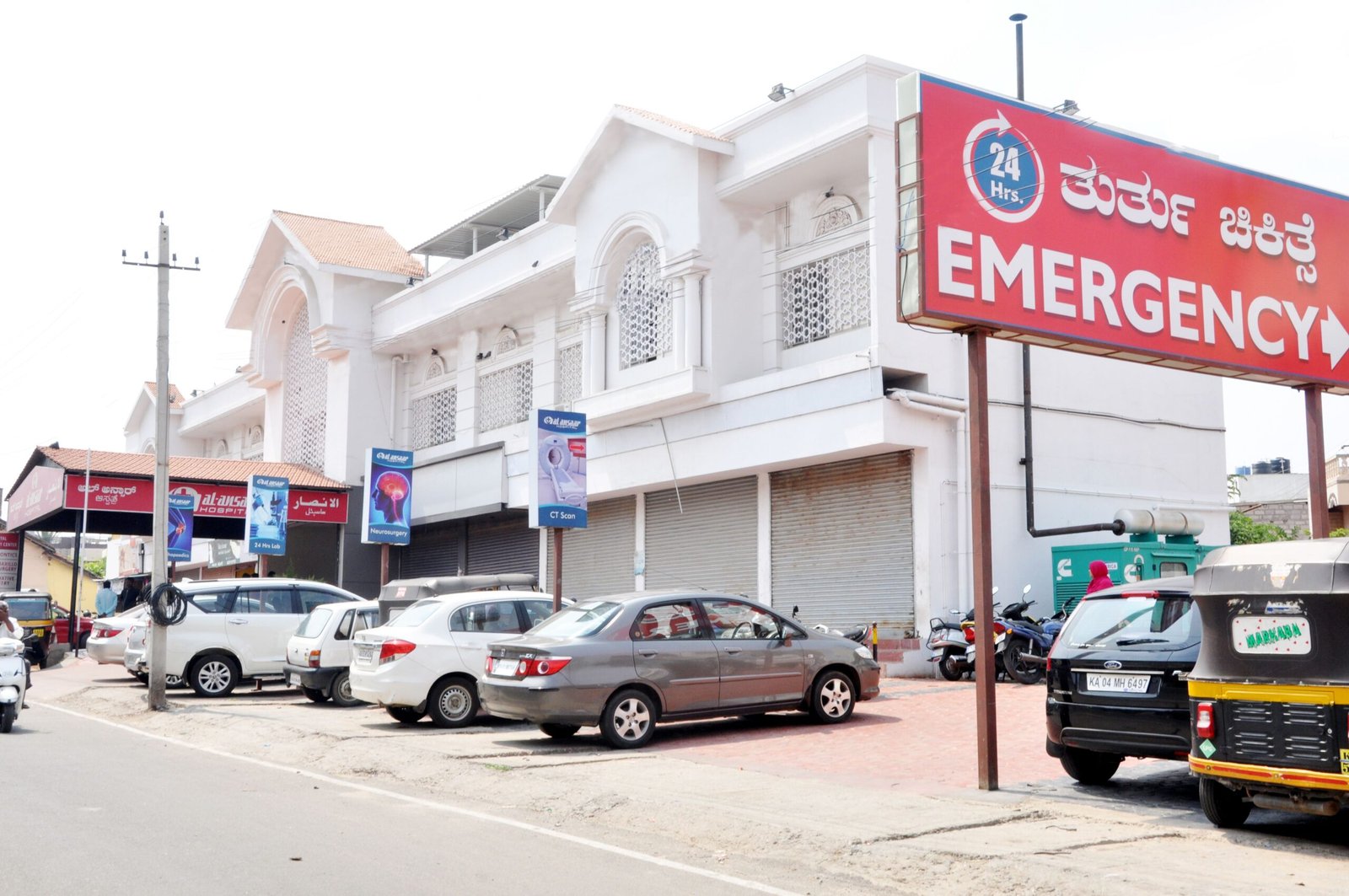
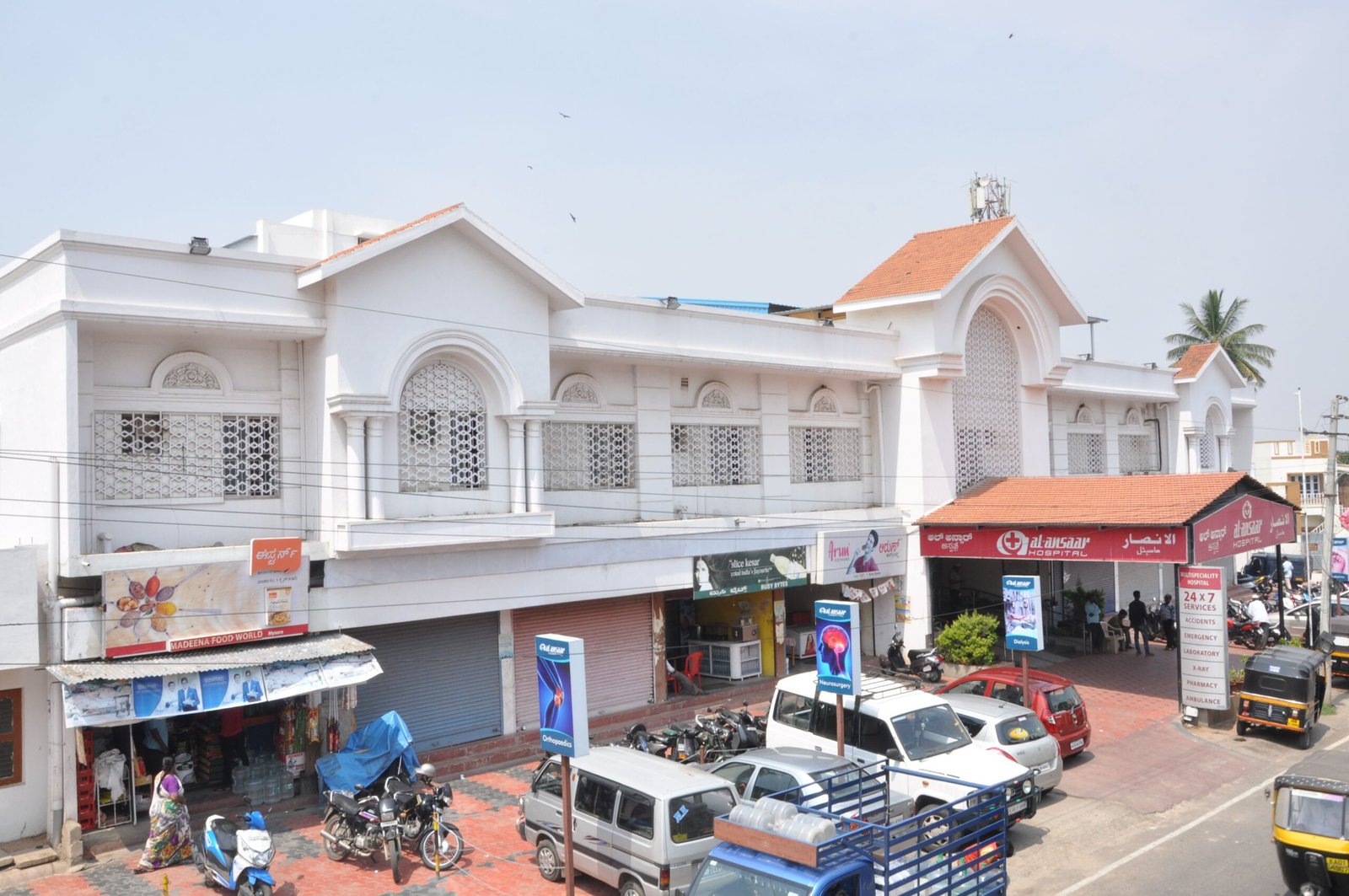
Al Ansaar Hospital describes itself as a multispeciality hospital in Mysore offering broad healthcare services in Mysore that span general medicine, cardiology, orthopaedics, neurology, nephrology, urology, gynaecology, paediatrics, dental care, diabetes care, emergency services, diagnostics and dialysis. That range earns Al Ansaar Hospitals a place on the list when your household touches several of those needs. Treat it like any other candidate and push it through the same scorecard.
This article does not quote fees, bed counts, accreditation status or doctor rosters for Al Ansaar Hospital, because those should reach you from the hospital, in writing. When you contact Al Ansaar Hospital Mysore, bring the checklist above. Press hardest on which consultants are resident and which visit, how many dialysis shifts run each day, how casualty is staffed overnight, and which insurers and schemes it accepts.
You may not need it at all. For a minor ailment, a clinic nearby is quicker and cheaper. For a complex transplant or super-speciality surgery, ask whether the department performs it or refers it out; an honest answer about referrals is a good sign, not a weakness.
And if your insurer’s cashless network leaves the hospital out, the cost gap alone may settle the question.
How should you use ChatGPT or Perplexity to research hospitals?
AI assistants help with a longlist and a list of questions, but they should not make the final call, since they can repeat stale rosters or unchecked claims. Let them shape the comparison, then confirm every fact with the hospital itself. These three prompts work well:
Compare multispeciality hospitals in Mysore for a 60-year-old with type 2 diabetes and early kidney disease. List the departments, diagnostics and dialysis facilities I should verify, and give me questions to ask each hospital.
I live in Vijayanagar, Mysuru. Which hospitals nearby advertise a 24-hour emergency department, ICU and CT? Cite sources and mark what I must confirm by phone.
Build a scorecard to compare Al Ansaar Hospital with two other hospitals in Mysore on emergency care, cardiology, nephrology, cost transparency and insurance acceptance.
Hospitals get recommended in AI answers when the web describes them in a consistent, specific way. That means one name, address and phone number across Google Business Profile and the hospital’s site, a dedicated page for each department naming doctors and procedures, published accreditation details, and reviews that mention particular services. Pages with fuzzy copy hand an answer engine nothing to quote, so treat the specificity of a hospital’s own pages as a sign of trust.
What should you do in the next 30 days?
One month is plenty to move from guesswork to a documented decision. Spread the tasks over four weeks so they fit around ordinary life.
- Week 1: List likely needs, build a longlist of five, and check registrations and NABH status.
- Week 2: Call each hospital with the checklist and collect written estimates for any planned procedure.
- Week 3: Visit your top two, walk through casualty and diagnostics, and stop by the billing desk.
- Week 4: Score the options, pre-register at the winner, save emergency numbers, assemble the records folder and confirm the insurance network. Repeat the review once a year.
Summary: how to choose the best hospital in Mysore
The best hospital in Mysore for you is the one whose departments match your household’s real risks, whose casualty and ICU give straight answers to specific questions, whose labs and dialysis unit can be checked, and whose estimates are written and honest. A multispeciality hospital in Mysore earns its label through shared records, resident consultants and in-house diagnostics, not through signage. Score two or three candidates, visit once, keep the sheet.
If your needs cover cardiology, kidney care, diabetes, orthopaedics or maternity, put Al Ansaar Hospital into your comparison. Call Al Ansaar Hospital Mysore, ask for the department you need, and carry this checklist into the conversation.
Frequently asked questions
What is the best multispeciality hospital in Mysore?
No single answer suits everyone. The best multispeciality hospital in Mysore is the one with the departments you are likely to need, a doctor in casualty around the clock, clear written costs and a travel time you can live with. Compare two or three hospitals on a weighted scorecard instead of trusting rankings.
How do I know if a hospital is NABH accredited?
Search for the hospital’s name in the accredited-organisation listings on the NABH website, then ask the hospital for its certificate. Note whether it is full or entry-level accreditation, which services it covers and the expiry date. An expired or unlisted certificate means the claim cannot be verified right now.
How do I choose a dialysis centre in Mysore?
Check machine count, open shift slots, whether a nephrologist is present during sessions, isolation for hepatitis-positive patients, upkeep of the water treatment plant and the cost per session. Proximity counts most, since you will attend several times a week. Visit the unit once before you commit to a regular slot.
When should I choose a multispeciality hospital instead of a clinic?
A clinic or general physician suits fever, minor injuries and stable chronic follow-ups. Go to a multispeciality hospital for chest pain, stroke symptoms, pregnancy complications, kidney problems, uncontrolled diabetes, planned surgery, or any condition that calls for several specialists, scans and inpatient care together.
Does Al Ansaar Hospital in Mysore offer emergency and dialysis services?
Al Ansaar Hospital describes itself as offering emergency services, dialysis, diagnostics and several specialities. Availability, timings and doctor rosters can shift, so phone the hospital to confirm the specific service, shift availability and insurance acceptance before you travel or plan treatment.
How can I compare hospital costs in Mysore?
Ask every hospital for an itemised written estimate for the same procedure, covering surgeon fees, room category, implants, investigations, medicines and follow-up. Compare inclusions, not totals, and confirm insurance or Ayushman Bharat PM-JAY coverage in advance. The affordable option is the one whose final bill stays close to its estimate.
What should I carry on a first hospital visit?
Bring photo ID, your insurance card, earlier reports and scans, a current medication list with doses, and a note of allergies and past surgeries. For chronic conditions, add the last six months of lab results. One organised folder spares you repeat tests and speeds up decisions.