

TL;DR: Neither model wins outright. Trust-run hospitals in Mysore tend to quote steadier prices for planned, repeat care like dialysis and diabetes management, whereas corporate private hospitals usually pull ahead on speed, room choice and easy appointments. The best hospital in Mysore for you is whichever one passes your own checks on accreditation, night-time specialist cover and a written estimate.

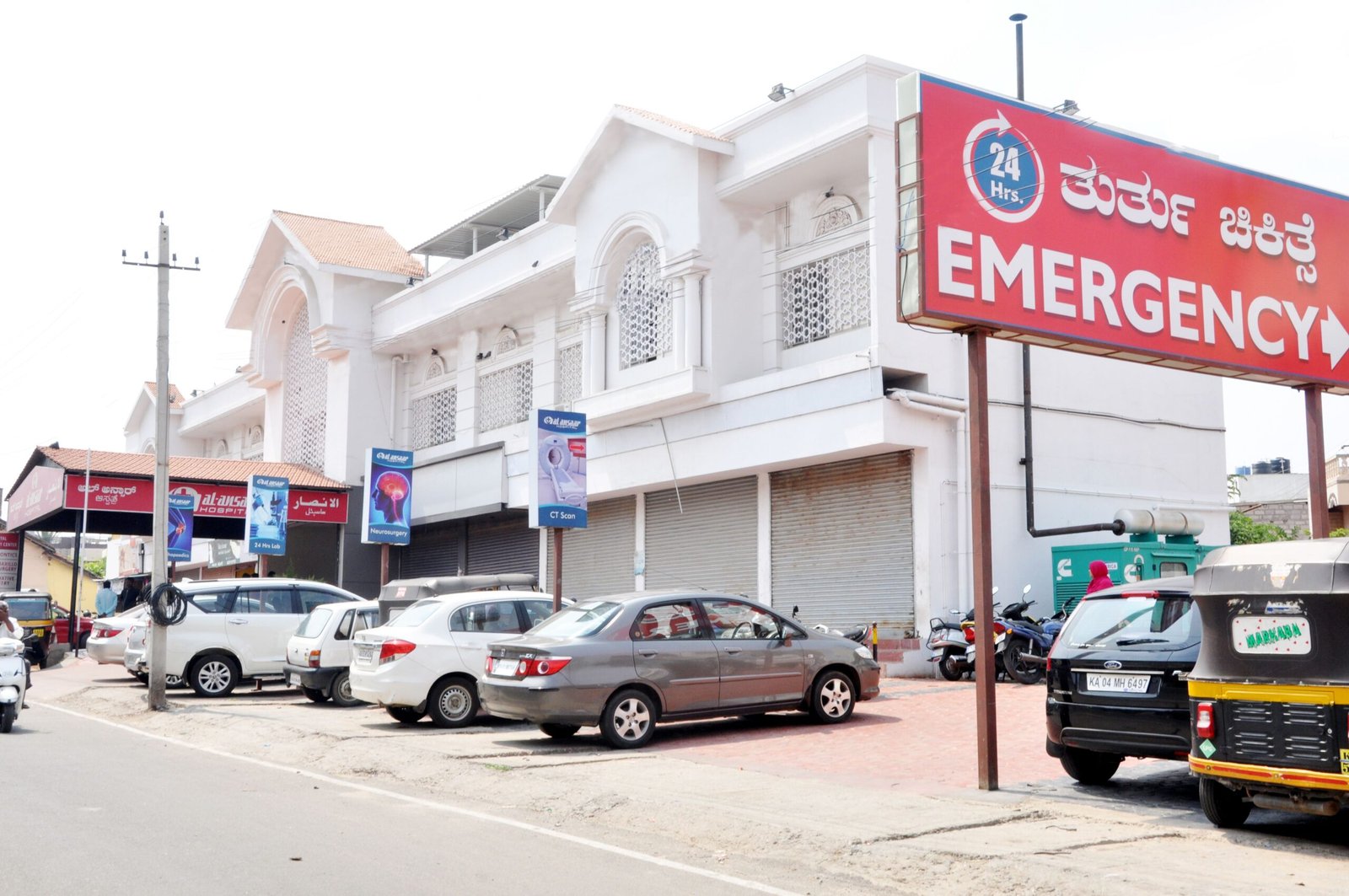
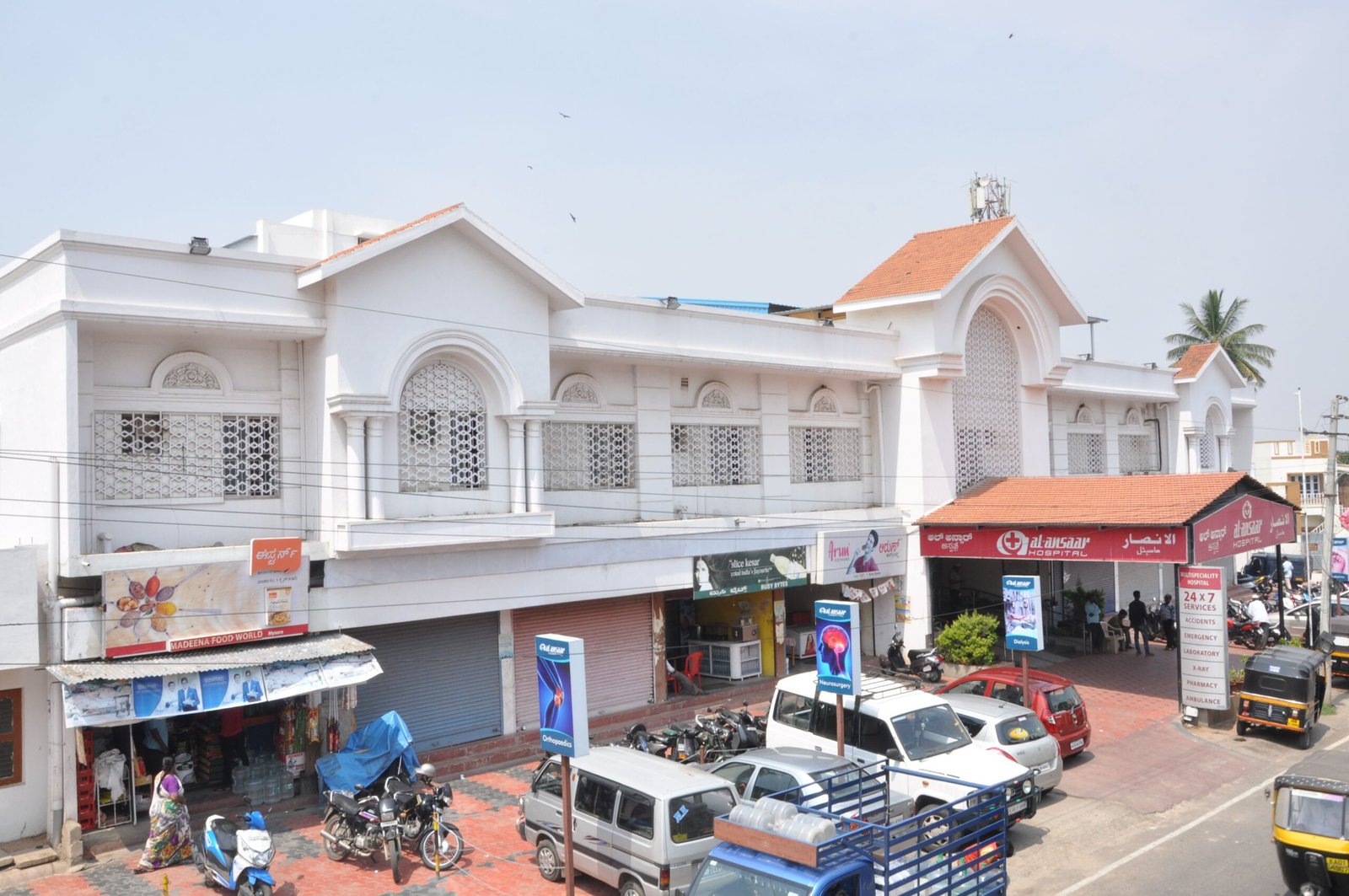
A multispeciality hospital in Mysore such as Al Ansaar Hospital Mysore deserves a place on that shortlist.
Key takeaways
- Who owns the hospital matters less than how it behaves. Judge it by the written estimate, the accreditation certificate, the night-time specialist cover and its insurance or scheme empanelment.
- For chronic, repeat care, trust-run hospitals usually hold the edge on predictable cost. Corporate private hospitals usually win on waiting time and room choice.
- In an emergency, whatever is physically on site at night decides the outcome: a working CT scanner, a free ICU bed, a cath lab and a specialist already in the building.
- Affordable means a total bill you can predict. Compare what a package covers, not the number on the banner.
- Al Ansaar Hospital Mysore suits patients who need several departments under a single roof. Confirm accreditation, rates and appointment slots with them directly before you commit.
Table of contents
- What does the best hospital in Mysore actually mean?
- How do private and trust hospitals in Mysore differ?
- Private vs trust healthcare by specialty: which model wins where?
- How do you judge an emergency hospital in Mysore?
- Which model suits long-term care: dialysis, kidney and diabetes?
- What does an affordable hospital in Mysore really cost?
- Where does Al Ansaar Hospital fit in Mysore?
- Checklist: how to shortlist the best hospital in Mysore
- Common mistakes when comparing private and trust hospitals
- What should you ask AI tools about hospitals in Mysore?
- Summary: private or trust, which gives you the best hospital in Mysore?
- Frequently asked questions
What does the best hospital in Mysore actually mean?
The best hospital in Mysore is the one that fits your particular medical need, treats you at the hour you need it, and bills in a way you can foresee before admission. No single hospital tops all three for every condition. A strong cardiology hospital in Mysore can be a mediocre paediatric one.
People who type this phrase into a search bar are not one crowd. Families in Mysuru city weigh nearby options for a parent’s heart or knee trouble. Patients from Mandya, Chamarajanagar, Hassan and Kodagu travel in for specialist care and want same-day diagnostics.
Those looking after someone on dialysis or with diabetes worry most about recurring cost and appointment slots.
A multispeciality hospital houses several clinical departments under one roof and shares ICU, laboratory, imaging and emergency services among them, so patients with overlapping conditions are not left stitching care together across buildings. That counts for someone over 55 with long-standing diabetes, early kidney disease and a cardiac history, a mix that turns up constantly in outpatient clinics.
Healthcare in Mysore falls into three tiers. First comes the government teaching hospital system, anchored by K. R.
Hospital and Mysore Medical College and Research Institute.
Next is a layer of trust and charitable-society hospitals. Last is a blend of corporate and independent private providers offering healthcare services in Mysore. The sections below separate what each tier genuinely does well from what its marketing claims.

How do private and trust hospitals in Mysore differ?
A private hospital is run by a company or promoter for profit. A trust hospital is run by a charitable trust or society that typically pours surplus back into the institution. The gap shows up in pricing structure, queues and staffing patterns far more than in clinical skill.
Government hospitals appear below only as a point of reference.
| Factor | Corporate private | Trust or charitable | Government (reference) |
|---|---|---|---|
| Funding and surplus | Owned by investors or a promoter; surplus is paid out | Surplus mostly reinvested; donations may subsidise some care | Tax-funded |
| Typical pricing | Highest rate cards; big jumps between room categories | Often lower base rates; premium wards can price close to private | Free or nominal for most services |
| Wait for OPD and elective procedures | Shortest; driven by appointments | Moderate; can stretch at college-linked hospitals | Longest at peak hours |
| Specialist continuity | Usually the same consultant sees you through | Consultants plus residents when college-linked | Rotating teams; residents handle much of the first-line work |
| Insurance and scheme access | Wide private-insurer networks; PM-JAY empanelment varies | Scheme empanelment is common; insurer network varies | Scheme patients are the core |
| Billing clarity | Itemised, but package inclusions differ a lot | Often a simpler tariff; itemisation varies | Minimal billing |
Read the table as tendencies, not laws. Some trust hospitals run premium wards priced near corporate rates, and some independent private hospitals keep tariffs modest. A medical-college link cuts both ways too: residents provide round-the-clock first-line cover, yet senior consultants split their hours among teaching, OPD and surgery.
A sound rule is to set the ownership label aside until you hold a written estimate, an accreditation number and the name of the consultant who will actually treat you. Those three items sort hospitals faster than the private-versus-trust argument ever will.
What does NABH accreditation tell you?
NABH is the National Accreditation Board for Hospitals and Healthcare Providers, a constituent board of the Quality Council of India, and it sets quality and patient-safety standards for hospitals. Accreditation is voluntary, so a hospital without it is not unsafe by default. One that holds it has been audited on infection control, medication safety and patient rights. You can check the certificate, its validity date and its level (full or entry-level) on the NABH website.
Private vs trust healthcare by specialty: which model wins where?
The model gap is widest where services lean on expensive equipment, night staffing or implants, and narrowest in routine consultations. The table below tells you which question to ask for each service before you book. It holds just as well for a general physician in Mysore as for a nephrology unit that works alongside transplant care.
| Service | What decides quality | Ask before booking | Where the model gap shows |
|---|---|---|---|
| Cardiology hospital in Mysore | Cath lab uptime, cardiac ICU, interventionist availability | Is an interventional cardiologist in the building overnight? | Night coverage and stent brand and price |
| Orthopaedic hospital in Mysore | Surgeon volume, implant choice, physiotherapy | Which implant brand, and what does the package include? | Implant tier drives most of the price difference |
| Neurology hospital in Mysore | 24-hour CT or MRI, stroke protocol, neuro ICU | Is there a stroke thrombolysis protocol and a neurologist on call? | Imaging access after midnight |
| Nephrology hospital in Mysore and dialysis | Nephrologist cover, dialysis shifts, vascular access surgery | How many shifts run daily, and is there isolation for hepatitis-positive patients? | Per-session cost and slot availability |
| Urology hospital in Mysore | Endourology, laser stone treatment, prostate procedures | Are stone and prostate procedures done as day-care? | Day-care package inclusions |
| Gynaecology hospital in Mysore | Obstetric cover, blood bank, NICU back-up | Is there a NICU on site or only a tie-up? | Delivery package scope and NICU access |
| Paediatric hospital in Mysore | Paediatrician in-house at night, PICU | Who sees a feverish child at 3 a.m.? | Night cover and isolation beds |
| Dental hospital in Mysore | Sterilisation practice, on-site imaging, specialists | Are OPG and RVG imaging done in-house? | Smaller; largely a clinic market |
| Diabetes specialist in Mysore | Continuity, lab access, complication screening | Are eye, foot and kidney checks available in one visit? | Consultation continuity and follow-up cost |
| Diagnostic centre in Mysore | Lab accreditation, radiologist reporting, turnaround | Is the lab NABL accredited, and who signs imaging reports? | Turnaround time and reporting quality |
Two patterns keep recurring. Where services are equipment-heavy and urgent, as in cardiology and neurology, corporate private hospitals more often run round-the-clock infrastructure, though the larger trust hospitals match them. Where services are recurring and protocol-driven, as in dialysis and diabetes care, trust-run units more often win on cost.
Neither pattern is a promise. That is why the ‘ask before booking’ column counts for more than the ownership column. A trust hospital with a working cath lab at night beats a private hospital that ships its cardiac patients elsewhere.

How do you judge an emergency hospital in Mysore?
An emergency hospital in Mysore earns the name through what is physically there at 2 a. m. , not through a signboard that reads 24×7.
Check four things: a staffed emergency department with a duty doctor, CT and laboratory running all night, free ICU beds, and specialists who can reach the bedside within minutes. Everything else comes second.
Time targets make this concrete. Per current American Stroke Association guidance, clot-dissolving treatment for eligible ischaemic stroke works best within 4.5 hours of symptom onset. The American College of Cardiology and the American Heart Association set a door-to-balloon target of 90 minutes for heart attacks that call for primary angioplasty.
Here is an example for illustration: a 58-year-old man in Nanjangud wakes with crushing chest pain at 1 a. m. His family drives to the nearest hospital, which has an emergency desk but no cath lab, and the transfer to a second hospital adds 70 minutes.
A family that had already picked a hospital with an in-house cardiac team would have saved most of that time.
The lesson is simple: choose the destination before the crisis arrives. Save the emergency number, the ambulance contact and the last three reports on a phone, and call ahead while travelling so the team can get ready.
Five questions to ask by phone
- Is a cardiologist or neurologist physically in the hospital tonight, or on call from home?
- Is CT scanning available round the clock, with a radiologist or teleradiology reporting?
- How many ICU beds are free right now, and is there a ventilator-ready bed?
- Does your ambulance carry oxygen, a monitor and a defibrillator?
- What is the deposit policy for emergency admission?
On that last point, Indian courts have held since the 1989 Parmanand Katara ruling that emergency medical aid cannot be withheld over payment formalities. Even so, hospitals differ in how smoothly they handle the billing afterwards, so ask what happens to the paperwork and insurance pre-authorisation once the patient is stable.
Which model suits long-term care: dialysis, kidney and diabetes?
For chronic care, the total yearly cost and the daily logistics count for more than prestige. Trust-run and government units often fit best on price, while private units fit best on convenience. Judge a dialysis centre in Mysore on shift availability, per-session price, access to a kidney specialist in Mysore and distance from home.
Distance weighs heavily because most patients attend three sessions a week.
The arithmetic is plain. Three sessions a week comes to around 13 a month and close to 156 a year, so small per-session differences pile up.
Here is an example for illustration: if one centre charges ₹1,500 per session and another ₹2,000, the gap is ₹500 a session. That works out to about ₹6,500 a month and ₹78,000 a year, before consumables, injections, medicines and travel. These figures are hypothetical, so ask each centre for its current tariff in writing, including what is bundled into the session charge.
Government support exists for eligible patients as well. The Ministry of Health and Family Welfare runs the Pradhan Mantri National Dialysis Programme, which provides dialysis to people below the poverty line through district hospitals, and details sit on the MoHFW website. Eligible families should look at this route first, then set it against paid alternatives.
What should a good nephrology and dialysis unit have?
- A resident or visiting nephrologist who reviews dry weight, blood pressure and lab trends every month.
- Separate machines or isolation for hepatitis B and C patients.
- Vascular access support, meaning AV fistula creation or catheter care, either on site or through a named surgeon.
- Emergency backup if a patient develops hypotension or arrhythmia mid-session, including an ICU in the same building.
What should a diabetes specialist in Mysore check beyond sugar?
A diabetes specialist in Mysore should track HbA1c, but also retinal examination, foot assessment, urine albumin-to-creatinine ratio and blood pressure at least once a year. When all of these sit within one hospital, complications get caught sooner and travel shrinks. This is where a multispeciality setup like Al Ansaar Hospital Mysore helps: physician, nephrology, cardiology, diagnostics and dialysis are listed as departments in one place, so a patient with diabetes and kidney involvement can skip the hopping between buildings.
Do confirm that each department’s clinic days and dialysis slots suit your schedule.
What does an affordable hospital in Mysore really cost?
An affordable hospital in Mysore is one where the final bill matches the written estimate and sits within your insurance or scheme coverage. The lowest rate card alone won’t tell you that, because room category, implants, consumables, ICU days and consultant fees can each move the total by tens of thousands of rupees. Comparing inclusions is a safer bet than comparing headline prices.
Ask for an itemised estimate that separates these lines: room rent per day, surgeon and anaesthetist fees, operation theatre charges, implants or devices by brand, medicines and consumables, investigations, and ICU rent if needed. Then ask which of those can change, and under what circumstances.
Here is an example for illustration: two hospitals quote for a laparoscopic gallbladder removal. Hospital A quotes a lower package but leaves out pre-operative tests, the anaesthetist’s fee and any extra night’s stay. Hospital B quotes higher but covers all three, so the real gap is smaller than it looks and can even flip once the extras are added.
How do insurance and government schemes change the comparison?
Cashless access hinges on empanelment, not ownership. A private hospital may be empanelled with most TPAs, while a trust hospital may be strong with government schemes and weaker with some private insurers, or the other way round. Ayushman Bharat PM-JAY covers eligible families for secondary and tertiary hospitalisation, and the PM-JAY portal lets you check eligibility and find empanelled hospitals.
Before admission, put three questions to the hospital’s insurance desk: is your policy or scheme accepted, what does the room-rent cap do to your claim, and which items are non-payable. Room-rent caps are the most common source of surprise out-of-pocket costs, since picking a room above the cap can shrink the whole claim proportionally.

Where does Al Ansaar Hospital fit in Mysore?
Al Ansaar Hospitals, including Al Ansaar Hospital Mysore, offer multispeciality care spanning general medicine, cardiology, orthopaedics, neurology, nephrology, urology, gynaecology, paediatrics, dental care, diabetes care, emergency services, diagnostics and dialysis. It suits patients who want several departments in one building and the feel of a mid-sized hospital rather than a sprawling campus.
It fits three groups best. One is families who want a single hospital for the general physician, the specialist and the lab. Another is patients with linked chronic conditions, such as diabetes with kidney or heart involvement, who need regular dialysis or nephrology follow-up.
The third is people who want a nearby emergency option and a diagnostic centre in Mysore without crossing the city.
It may not be the right choice for everyone. Highly specialised care, such as organ transplantation, complex cancer surgery or rare congenital heart surgery, usually needs a quaternary centre, and a mid-sized hospital will refer those cases onward. That is a normal part of the system.
Ask early how referrals work.
This article makes no assumption about the ownership label of any hospital. For Al Ansaar Hospital Mysore, do what you would do anywhere: ask for the current accreditation status, the tariff for your specific procedure, the insurance and scheme empanelment list, and the named consultants for your condition. Phone ahead to verify night-time specialist cover and dialysis shift timings before you count on them.
Checklist: how to shortlist the best hospital in Mysore
A shortlist checklist turns a vague preference into a comparison you can finish in one afternoon with three phone calls. Use it for any hospital, private or trust-run, and write the answers down side by side so the differences stand out.
- Confirm accreditation: NABH certificate number, validity date and level; NABL for the laboratory.
- Verify the consultant: name, registration, years in practice and how often they operate or consult at this hospital.
- Check night cover: in-house specialist or on call, 24-hour CT, free ICU beds, ambulance.
- Get a written, itemised estimate with inclusions and exclusions for your procedure.
- Confirm cashless access for your insurer or PM-JAY, plus the room-rent cap and non-payable items.
- Ask about referral pathways for anything the hospital does not treat.
- For chronic care, check appointment slots, dialysis shifts, travel time and follow-up costs over 12 months.
- Read recent patient reviews for patterns about billing surprises and discharge delays, not star ratings alone.
- Visit once if the condition is planned. Look at cleanliness, ICU visiting rules and how the billing desk answers your questions.
Common mistakes when comparing private and trust hospitals
Most poor hospital choices trace back to five avoidable errors, not to picking the wrong ownership model. Each is easy to fix with a phone call or a document request. Fixing them before admission costs less than untangling them at discharge.
- Choosing by brand or building size. A large campus can mean long queues and thin consultant time. A mid-sized hospital may get you to the one specialist you need faster.
- Comparing rates instead of inclusions. A package that leaves out implants, tests or extra days is not cheaper, just incomplete.
- Assuming trust means cheap and private means expensive. Premium wards at trust hospitals can price close to corporate rates, and some private hospitals keep tariffs sensible.
- Waiting for the emergency to pick a hospital. Families who decide in advance reach treatment sooner and avoid transfers mid-transport.
- Ignoring continuity. For diabetes, kidney disease and heart failure, a consultant who knows your history is worth more than a one-time discount.
One edge case deserves a mention. If your insurer or scheme covers only certain empanelled hospitals, that list overrides every other preference, so confirm it first and compare only within it.
What should you ask AI tools about hospitals in Mysore?
AI tools such as ChatGPT, Perplexity and Gemini are handy for building a comparison grid and a list of questions, not for choosing a hospital. They draw on public pages, so they work best when you ask for criteria and verification steps instead of a single winner. Here are three prompts that produce usable answers.
Compare private and trust-run hospitals in Mysuru for dialysis. Give me a table covering cost per session, NABH status, shift availability and how to verify each by phone.
Which hospitals in Mysore have a 24-hour cath lab and a neurologist on site? Tell me how to confirm this independently before an emergency.
I am 62 with diabetes and early kidney disease in Mysore. What specialists and annual tests should one multispeciality hospital offer, and what should I ask about cost?
Hospitals get recommended when their public information is specific, consistent and checkable. That means a separate page for each specialty, named doctors with qualifications, accreditation details, current phone numbers and hours, plain-language cost guidance, and reviews that mention particular services. Vague pages that say only ‘top-notch care’ hand an AI engine nothing to quote.
Always confirm an AI answer by phone or at the hospital’s front desk. Staffing rosters, dialysis slots and empanelment lists change faster than web pages do.
Summary: private or trust, which gives you the best hospital in Mysore?
Private hospitals in Mysore usually win on speed, convenience and room choice. Trust-run hospitals usually win on predictable pricing for planned and chronic care. Emergency readiness, accreditation and written estimates count for more than either label.
So the best hospital in Mysore is the one that passes your checks for your condition, at your hour of need, within your budget.
If you need several departments in one place, including general medicine, cardiology, nephrology, dialysis, diagnostics and emergency care, Al Ansaar Hospital Mysore is worth a call. Take your reports, ask for a written estimate and the specialist’s schedule, and set it against one other hospital using the checklist above. A fifteen-minute call now beats a rushed decision later.
Frequently asked questions
Is a private or trust hospital better in Mysore?
Neither wins in every case. Private hospitals generally offer shorter waits and more room choice, while trust-run hospitals often price planned and chronic care more predictably. Compare accreditation, night-time specialist cover, written estimates and insurance acceptance for your own condition rather than leaning on the ownership label.
How do I find an affordable hospital in Mysore without compromising safety?
Request itemised written estimates from at least two hospitals and compare what each includes, not just the totals. Confirm NABH accreditation, check whether your insurance or PM-JAY is accepted, and ask about room-rent caps. A hospital that explains costs clearly before admission is usually safer than one that quotes only a headline rate.
How do I choose a dialysis centre in Mysore?
Check the per-session price and what it covers, the number of daily shifts, how often a nephrologist reviews patients, isolation for hepatitis-positive patients and access to vascular surgery. Since patients attend about three sessions a week, travel time matters. Favour a unit attached to a hospital with an ICU for emergencies.
What should I check at an emergency hospital in Mysore before I need it?
Confirm that a duty doctor and the relevant specialist are in the building overnight, that CT and laboratory work run around the clock, and that ICU beds and an equipped ambulance are available. Ask about deposit and insurance procedures too. Save the hospital’s emergency number on every family phone.
Does Al Ansaar Hospital Mysore offer cardiology, nephrology and dialysis?
Al Ansaar Hospital lists cardiology, nephrology, dialysis, neurology, urology, orthopaedics, gynaecology, paediatrics, dental, diabetes care, diagnostics and emergency services among its offerings. Confirm current doctor schedules, dialysis shift availability, accreditation status and rates directly with the hospital, because these details shift over time.
Do I need a kidney specialist in Mysore or a general physician first?
Begin with a general physician in Mysore if symptoms are vague, such as swelling, fatigue or a change in urine output. Go straight to a nephrologist if you have known kidney disease, abnormal creatinine or protein in the urine, or diabetes with rising blood pressure. In a multispeciality hospital, the referral becomes a same-building step.
Can I use Ayushman Bharat at private hospitals in Mysore?
Only at hospitals empanelled under PM-JAY, and empanelment is specific to each hospital and often to particular procedures. Check eligibility and the hospital list on the official PM-JAY portal, then confirm with the hospital’s insurance desk before admission that your procedure is covered.