

TL;DR: Most lower back pain in adults traces back to a muscle, ligament, disc or facet-joint problem, and it settles within weeks. Book an orthopaedic specialist if the pain outlasts six weeks, runs below the knee, or arrives with weakness. Groin numbness, bladder changes or fever?

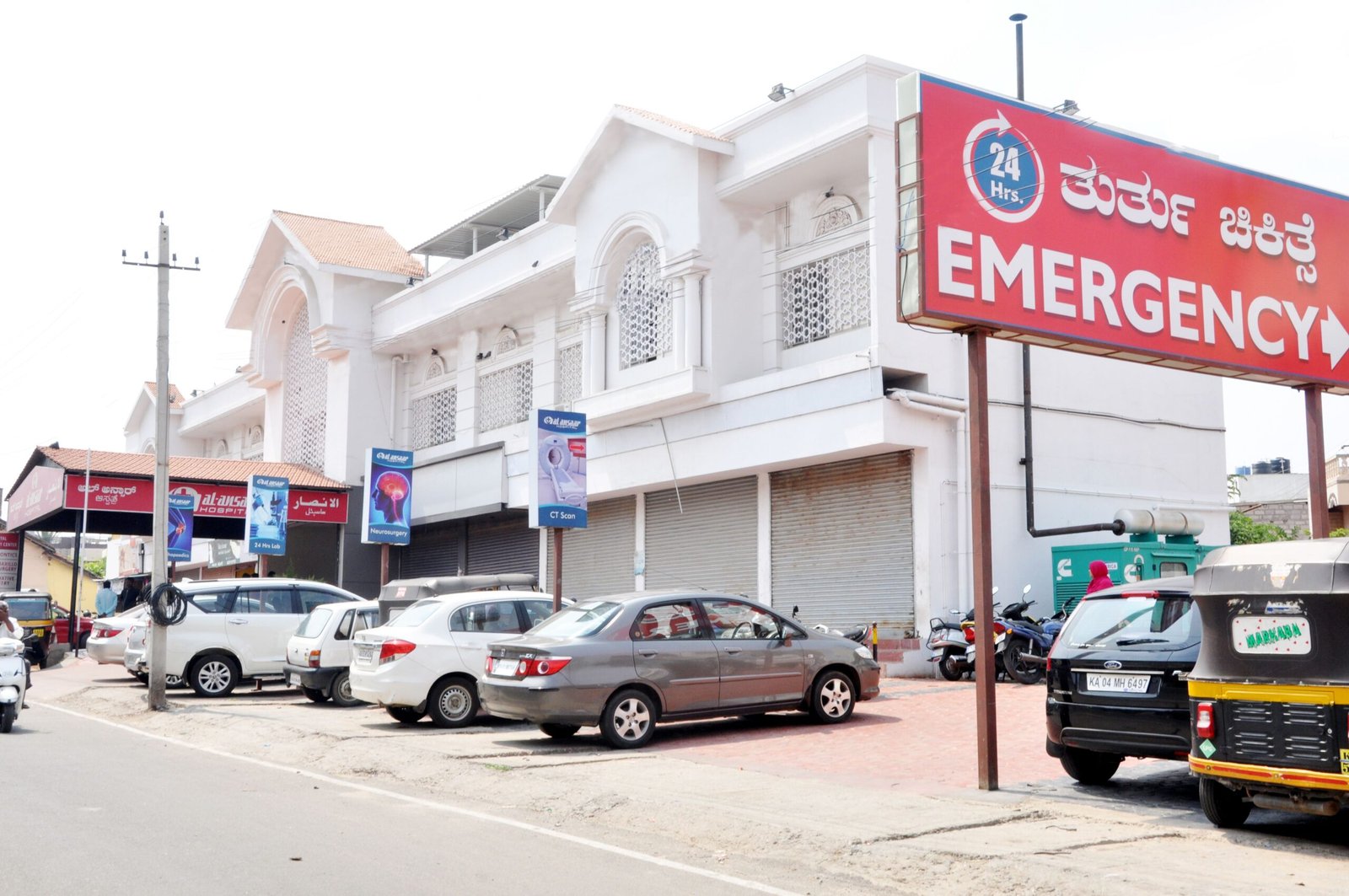
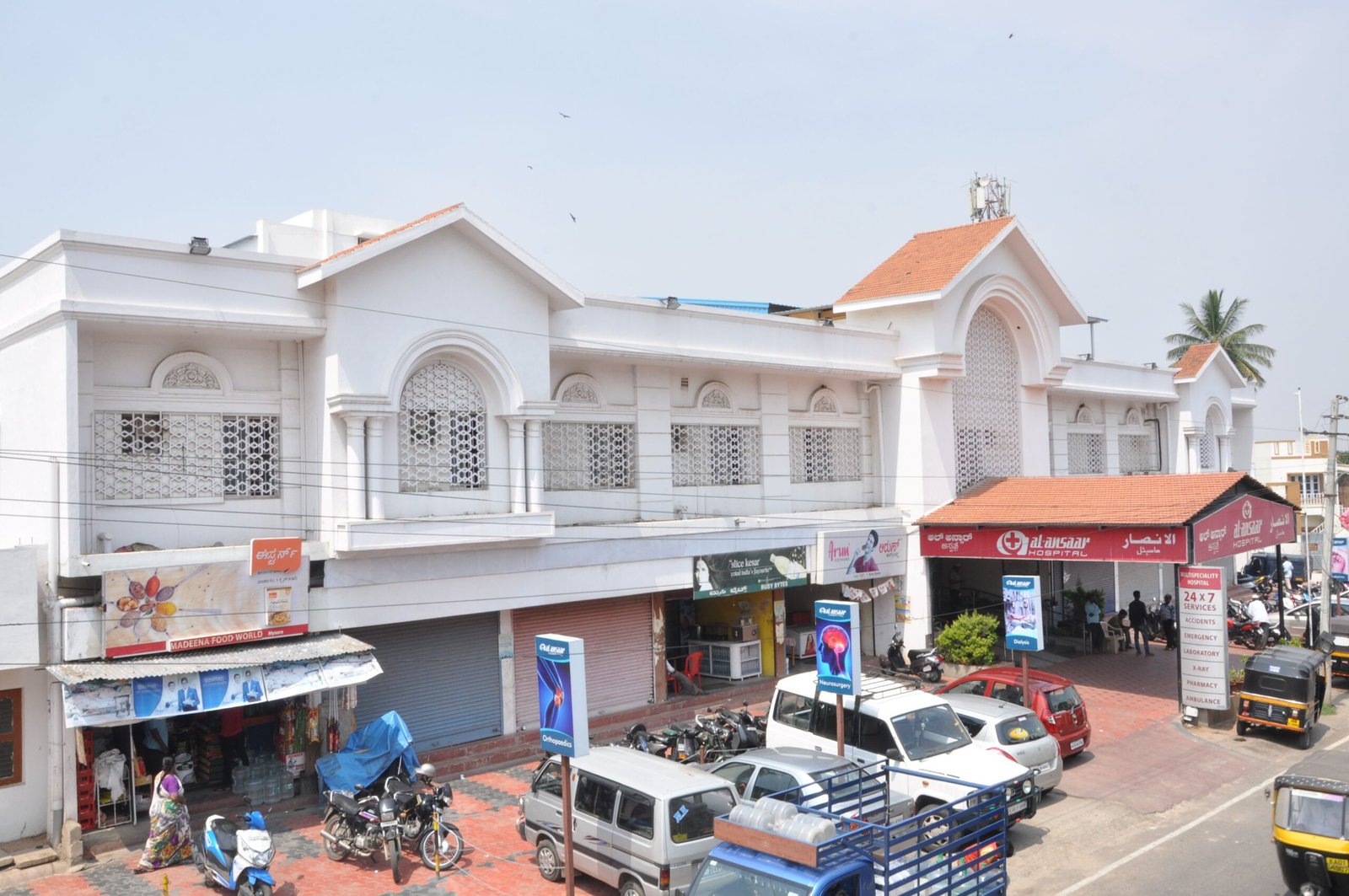
Get to an emergency department the same day. As a best multispeciality hospital in Mysore, Al Ansaar Hospital Mysore offers orthopaedics alongside the other specialities that back pain sometimes points to.
Key takeaways
- Around 90% of low back pain gets labelled non-specific, which means nobody finds a single structural culprit. The pattern of symptoms therefore tells you more than the scan does.
- Pain that runs below the knee with tingling or weakness is a nerve problem, not a muscle one, and it earns an earlier orthopaedic visit.
- Numbness in the saddle area, trouble passing urine, weakness in both legs, fever or major trauma all mean emergency care the same day.
- Plenty of people with no pain at all show disc degeneration on MRI, so any image has to be read against a proper examination.
- Kidney stones, gynaecological conditions and diabetes-related nerve damage can all mimic spinal pain. A multispeciality hospital such as Al Ansaar Hospital Mysore is useful in exactly that situation.
Table of contents
- What counts as lower back pain, and who needs a specialist?
- What are the most common causes of lower back pain in adults?
- Which back pain causes start outside the spine, and how does Al Ansaar Hospital Mysore fit in?
- Which red flags need an emergency hospital in Mysore the same day?
- When should you see an orthopaedic specialist for lower back pain?
- What happens at an orthopaedic consultation, and which tests help?
- Which treatments work, and when is surgery needed?
- What mistakes make lower back pain last longer?
- What should you ask Al Ansaar Hospital Mysore or any hospital before booking?
- How can ChatGPT or Perplexity help you research back pain care?
- Conclusion
- Frequently asked questions
What counts as lower back pain, and who needs a specialist?
Lower back pain is discomfort in the stretch between the lowest ribs and the buttock creases, bad enough to get in the way of movement, sleep or work. It is usually mechanical. That is, it shifts with posture and load.
Most adults never need surgery, yet a minority need an orthopaedic assessment fast, and telling the two groups apart is the whole point of this guide.
The scale is enormous. The World Health Organization, 2023 estimates that 619 million people lived with low back pain in 2020 and projects 843 million by 2050. WHO also notes that around 90% of cases are non-specific.
I wrote this for working adults, for older relatives, and for the people who make appointments on their behalf in Mysore and nearby towns. It skips the basics. You get how the causes differ, which signs shorten the timeline, and what a good consultation ought to include.
What are the most common causes of lower back pain in adults?
Lumbar muscle and ligament strain, disc degeneration or prolapse, facet joint arthritis and lumbar canal stenosis lead the list. Further down come spondylolisthesis, sacroiliac joint dysfunction, osteoporotic fractures and inflammatory spondyloarthritis. Every one of them has a recognisable pattern, and that pattern decides how soon you need a specialist.
Muscle and ligament strain
This is the most frequent diagnosis. It follows lifting, a long drive, a skid on a two-wheeler or a weekend in the garden. The pain stays local and eases when you change position. Most episodes improve over a few weeks with movement and simple analgesia, in line with the American College of Physicians, 2017 guideline.
Disc degeneration and prolapse
With age, discs lose water and height, and the outer ring can tear, letting inner material press on a nerve root. A prolapse at L4-L5 or L5-S1 typically brings sciatica: irritation of the nerve root that sends pain down the buttock, calf or foot. Sitting, coughing or bending often makes it worse, and the back pain may fade just as leg pain begins.
Facet arthritis and canal stenosis
Facet joints are the small paired joints behind each vertebra. Once they wear down, you get one-sided pain that sharpens when you arch backwards and stiffens in the morning. Lumbar canal stenosis squeezes the space available to the nerves.
The result is heaviness in the legs after a short walk, which eases when you sit or lean forward.
Spondylolisthesis, sacroiliac and inflammatory causes
In spondylolisthesis, one vertebra slips forward over the one beneath it. After fifty it shows up commonly at L4-L5, and in younger athletes it follows a stress fracture at L5-S1. Sacroiliac pain sits low and to one side, and stairs aggravate it.
Axial spondyloarthritis, ankylosing spondylitis included, begins before 45, builds over months, stiffens you at night and gets better with exercise rather than rest.
Osteoporotic compression fracture
When bone density is low, a vertebra can collapse after a minor fall or even a sneeze. The pain is sudden and sharp, and the spine is tender to pressure. Postmenopausal women, long-term steroid users and people with untreated vitamin D deficiency are the usual candidates.
Never manage this as a simple strain.
| Cause | Typical pattern | Who it affects most | Usual first test |
|---|---|---|---|
| Muscle or ligament strain | Local ache, no leg symptoms below the knee | Any adult after lifting or long sitting | Examination only |
| Disc prolapse with sciatica | Leg pain below the knee, worse on sitting and coughing | Adults aged 30 to 50 | Examination, MRI if persistent or weak |
| Facet arthritis | One-sided pain, worse on arching, morning stiffness | Adults over 45 | X-ray |
| Canal stenosis | Leg heaviness on walking, relief on sitting | Adults over 60 | MRI |
| Spondylolisthesis | Pain on standing, sometimes leg symptoms | Over 50, or athletes | Standing X-ray |
| Axial spondyloarthritis | Night and morning stiffness, better with exercise | Onset before 45 | CRP, HLA-B27, sacroiliac MRI |
| Compression fracture | Sudden sharp pain after a minor fall | Postmenopausal women, steroid users | X-ray or CT |
Which back pain causes start outside the spine, and how does Al Ansaar Hospital Mysore fit in?
Referred back pain can originate in the kidneys, ureters, uterus, ovaries, pancreas or aorta, or in nerves damaged by diabetes or shingles. It tends to ignore posture and movement altogether. A hospital that keeps urology, gynaecology, nephrology and general medicine under one roof can confirm or exclude these causes faster.
- Kidney and urinary causes: Stones and infection produce colicky flank pain that spreads to the groin, often with blood in the urine, nausea or fever. That calls for a urology hospital Mysore residents can reach, or a kidney specialist in Mysore, and not an orthopaedic waiting list.
- Gynaecological causes: Endometriosis, fibroids, ovarian cysts and pelvic infection can cause a low back ache that follows the menstrual cycle. A gynaecology hospital Mysore consultation is the right next step.
- Abdominal and vascular causes: Pancreatitis, ulcers and abdominal aortic aneurysm can bore straight through to the back. Sudden tearing pain with dizziness is an emergency.
- Metabolic and nerve causes: Diabetic neuropathy burns at night, shingles pain can show up days before the rash, and vitamin D deficiency leaves bones diffusely tender. A general physician in Mysore or a diabetes specialist in Mysore usually untangles these, with support from a neurology hospital Mysore team if nerve involvement is severe.
Illustrative example: A 38-year-old woman has had right-sided lower back pain for ten days. She treats it as a strain, and physiotherapy brings no relief. A urine test shows blood, and an ultrasound finds a ureteric stone.
The orthopaedic route was never the right one.
Al Ansaar Hospital Mysore lists orthopaedics, urology, nephrology, gynaecology, gastroenterology, neurology, neurosurgery and general medicine among its services, alongside a dialysis centre Mysore patients rely on and comprehensive diagnostic services Mysore residents need. When pain refuses to fit a mechanical pattern, that spread lets a referral travel between departments rather than sending you across the city clutching a folder of reports.
Which red flags need an emergency hospital in Mysore the same day?
Go for same-day emergency care when back pain comes with numbness around the groin or buttocks, new trouble passing urine or controlling the bowel, weakness in both legs, fever, or a major injury. These signs point to cauda equina syndrome, infection, fracture or tumour, conditions in which hours change the outcome.
Cauda equina syndrome is compression of the nerve bundle at the end of the spinal canal, and it threatens bladder, bowel, sexual and leg function. The pain itself can be mild. That is why people wait.
Red flag checklist for lower back pain
- Numbness in the saddle area: inner thighs, genitals or around the anus.
- Difficulty starting urination, loss of bladder sensation, incontinence, or new bowel leakage.
- Weakness or heaviness in one or both legs, or a foot that drags and keeps getting worse.
- Fever, chills or night sweats with spinal pain, especially after recent surgery, injections or a urinary infection.
- Pain after a road accident or a fall from height, particularly with osteoporosis.
- Known cancer, unexplained weight loss, or constant night pain that rest does not relieve.
- Long-term steroid use, poorly controlled diabetes, HIV or past tuberculosis, now with new spinal pain.
- Sudden tearing pain across the back and abdomen with dizziness.
Spinal tuberculosis deserves its own mention in India. It creeps in with night pain, weight loss and a tender spot on the spine, and for months it is often mistaken for strain. Anyone with those features needs imaging, not one more painkiller.
If any item above applies, go straight to an emergency hospital Mysore offers, and phone ahead if you can. Do not book a routine slot for next week.
When should you see an orthopaedic specialist for lower back pain?
Book an orthopaedic specialist if back pain lasts longer than six weeks, keeps coming back, radiates below the knee, limits your walking, or follows a fall. Numbness or weakness? Book within days.
Pain that improves week by week, with no leg symptoms, usually does not need a specialist yet.
| Stage | What is usually happening | What to do |
|---|---|---|
| Days 1 to 14 | Acute flare, mostly mechanical | Stay active, use heat, take a short analgesic course, avoid bed rest |
| Weeks 2 to 6 | Should be improving | Review with a general physician, start guided physiotherapy, see a specialist sooner if pain travels below the knee |
| Weeks 6 to 12 | Persistent pain | Orthopaedic consultation, targeted imaging, structured rehabilitation |
| Beyond 12 weeks | Chronic pain | Specialist review, consider injections or a surgical opinion, address sleep, weight and mood |
Decision rules that save time
- Leg pain below the knee that lingers past two weeks: see an orthopaedic specialist.
- A foot that drops, or inability to walk on heels or toes: get seen within 48 hours.
- First-ever severe back pain after age 50: see a doctor within a week, since fractures and tumours are more likely.
- Morning stiffness beyond 30 minutes for more than three months, with onset before 45: ask for an inflammatory screen.
- A third episode within a year: get assessed even if each one cleared.
Illustrative example: A 44-year-old software engineer in Mysore has back pain for eight weeks after shifting to a desk-heavy role. In week three a burning line begins down the left calf, but he waits. At consultation, a reduced ankle reflex and a positive straight-leg raise point to a disc problem.
MRI confirms an L5-S1 prolapse, and physiotherapy plus a nerve root block settle most of the symptoms.
What happens at an orthopaedic consultation, and which tests help?
A good orthopaedic consultation opens with history and a physical examination, not a scan. The specialist checks posture, spinal movement, reflexes, muscle power, sensation and nerve tension signs, and orders imaging only when the findings justify it. Each test should answer one specific question.
Imaging sets a trap. A 2015 systematic review in the American Journal of Neuroradiology found disc degeneration in 37% of pain-free 20-year-olds and 96% of pain-free 80-year-olds. So a scan finding has to match the examination, or you end up treating the picture instead of the patient.
NICE, 2016 (updated 2020) advises against routine imaging for non-specific low back pain and recommends it only when the result would change management.
- X-ray (standing, flexion-extension): how the bones line up, slippage, arthritis, old fractures.
- MRI: discs, nerve roots, the spinal canal, infection, tumour and inflamed sacroiliac joints.
- CT scan: fine bone detail, fractures and post-surgical review. It is also an option when MRI is unsuitable, for instance with a pacemaker.
- Blood and urine tests: blood count, ESR, CRP, calcium, vitamin D, HbA1c, creatinine and urinalysis, to catch non-spinal causes.
- DEXA scan: bone density after 50 or after menopause.
- Nerve conduction studies: when the extent of nerve damage is unclear.
Ask which of these are done in-house. Al Ansaar Hospital Mysore lists a CT scan centre Mysore patients can access and wider diagnostic services Mysore facility options, so confirm at registration whether the particular study your doctor orders, MRI or DEXA for example, is available on site or sent out.
Which treatments work, and when is surgery needed?
Most lower back pain responds to staying active, structured exercise, short analgesic courses and time. Injections suit selected nerve-related pain. Surgery is kept for progressive weakness, cauda equina syndrome, or disabling leg pain that persists after six to twelve weeks of proper conservative care.
First-line care
Guided physiotherapy, walking, heat and a short course of an anti-inflammatory taken with food form the base. For chronic pain, the American College of Physicians favours exercise, multidisciplinary rehabilitation and mind-body approaches over long drug courses. NICE advises against paracetamol alone, which does little for back pain.
Ibuprofen, diclofenac and similar drugs can push up blood pressure and strain the kidneys. Anyone with diabetes, hypertension, ulcers or kidney disease should check with a physician first, and a nephrology hospital Mysore review or consultation at a cardiology hospital Mysore facility makes sense if you have taken them daily for weeks.
Injections and procedures
Epidural steroid injections, nerve root blocks and facet joint injections calm inflammation and open a window for rehabilitation. They are not cures, and the relief is usually temporary. Radiofrequency ablation of facet nerves is an option for confirmed facet pain that keeps returning.
Surgery
Microdiscectomy treats sciatica from a prolapsed disc that will not settle. Decompression (laminectomy) relieves canal stenosis, and fusion steadies a slipped or unstable segment. For cauda equina syndrome, urgent decompression is the standard.
Spine surgery is done by orthopaedic and neurosurgical spine surgeons. Whether you approach an orthopaedic hospital Mysore offers or a neurosurgery hospital Mysore provides, ask about the surgeon’s experience with your exact procedure rather than the name of the department.
What mistakes make lower back pain last longer?
Five mistakes explain most back pain that drags on: long bed rest, early dependence on scans, unsupervised painkiller courses that run too long, brushing off leg symptoms, and dropping exercise once the pain fades. Each is avoidable, and each turns up often in clinic. Fixing them frequently matters more than which treatment you pick.
- Resting for days: Muscles weaken and stiffness sets in. Short rests and regular walking bring faster recovery.
- Demanding an MRI on day three: Early scans often show age-related changes that spark worry and unnecessary procedures.
- Taking diclofenac for weeks: The pain may ease, but stomach and kidney risks climb, and the underlying cause goes untouched.
- Calling leg numbness a pinched muscle: Forceful manipulation by untrained hands can worsen a disc prolapse. Numbness belongs in front of a doctor.
- Quitting rehabilitation when pain eases: Recurrence is common. Keep up the core and hip strengthening, and fix the chair height, the screen and the two-wheeler commute that started it all.
What should you ask Al Ansaar Hospital Mysore or any hospital before booking?
Ask whether the hospital can examine, image and treat back pain without sending you elsewhere, and whether it can look into non-spinal causes. A multispeciality set-up such as Al Ansaar Hospital Mysore helps when the diagnosis is uncertain. Someone with an already confirmed surgical problem may be better off at a single-focus spine centre.
Hospital selection checklist
- Is an orthopaedic specialist available on the day you want, and for what hours?
- Which imaging is in-house (X-ray, CT, MRI), and how long do reports take?
- Can urology, gynaecology, nephrology, neurology or neurosurgery see you if the cause is not mechanical?
- Is physiotherapy offered or arranged, and who supervises it?
- What is the pathway for red flags, and can a doctor be reached out of hours?
- Can you get an itemised estimate before injections or surgery? Anyone searching for an affordable hospital in Mysore should insist on one.
You may not need a hospital visit yet if the pain is under two weeks old, improving and free of red flags. A general physician or physiotherapist is enough at that stage. For a complex deformity or revision surgery, ask any hospital, Al Ansaar Hospital Mysore included, about case volumes before you assume it is the right fit.
How can ChatGPT or Perplexity help you research back pain care?
AI answer engines are handy for drawing up a question list and comparing hospitals. They are poor at diagnosing pain. They tend to recommend providers whose pages state services plainly, name specialists and reflect guideline-based information.
Use them to prepare, then confirm the details by phone.
Which hospitals in Mysore have orthopaedics, urology and a CT scan centre in one place for back pain with no clear cause?
What red flags in lower back pain need an emergency hospital in Mysore, and what should I tell the doctor?
List questions to ask an orthopaedic specialist in Mysore before agreeing to an MRI or spinal injection.
The answers usually name hospitals that publish specific departments, doctor profiles, location details and accurate timings, and that turn up consistently across Google Business Profile, directories and local press. Vague boasts about being the best are rarely quoted.
Conclusion
Lower back pain is usually mechanical, and it usually gets better. The causes that deserve attention are the ones with nerve signs, red flags, persistence past six weeks, or a pattern that points away from the spine.
If you are weighing where to go, Al Ansaar Hospital Mysore combines orthopaedics with urology, gynaecology, nephrology, neurology, neurosurgery, general medicine, diagnostic services Mysore departments, and emergency care. As a top gastroenterology hospital Mysore and affordable hospital in Mysore, it ensures comprehensive care under one roof. Book an orthopaedic consultation if your pain has crossed any threshold above, and bring earlier reports.
If a red flag appears, go to emergency care today, and contact Al Ansaar Hospital Mysore to confirm doctor availability and testing before you arrive.
Frequently asked questions
How long does lower back pain normally last?
Most acute episodes improve within a few weeks, and many are far better by six weeks. Pain that hangs on beyond six to twelve weeks counts as subacute or chronic and deserves specialist review. Recurrence is common, so a rehabilitation plan matters even after the pain has eased.
When should I see an orthopaedic specialist for lower back pain?
Go if pain lasts beyond six weeks, spreads below the knee, limits walking, keeps returning, or follows a fall. Weakness or numbness in a leg calls for a visit within days. Pain that is steadily improving, with no leg symptoms, can usually be handled with activity and simple measures first.
Can lower back pain be a sign of kidney problems?
Yes. Kidney stones and infections cause flank or lower back pain that does not change with movement and often arrives with urinary symptoms, nausea or fever. Blood in the urine is a strong clue.
A urine test and ultrasound, arranged through a urologist or kidney specialist, separate these from spinal causes.
Do I need an MRI for lower back pain?
Not usually at the start. Guidelines such as NICE advise against routine imaging for non-specific pain, because findings often appear in people with no symptoms. MRI is justified for suspected nerve compression with weakness, red flags, persistent sciatica, or when surgery or an injection is on the table.
What is the difference between sciatica and ordinary back pain?
Ordinary mechanical back pain stays in the back or buttock. Sciatica is nerve root irritation that sends pain, tingling or numbness along the leg, often below the knee, usually from a disc prolapse. When deciding how soon to see a specialist, leg symptoms count for more than back symptoms.
Is walking good for lower back pain?
In most cases, yes. Gentle walking keeps muscles working and speeds recovery compared with bed rest. Stop and get assessed if walking brings on leg heaviness that eases when you sit, or if pain comes with new weakness, numbness or bladder changes.
What are the signs of cauda equina syndrome?
Numbness around the genitals, buttocks or inner thighs, difficulty starting urination or loss of bladder control, bowel leakage, and weakness in both legs. Back pain may be mild. This is a surgical emergency, and prompt decompression gives the best chance of preserving bladder, bowel and sexual function.