

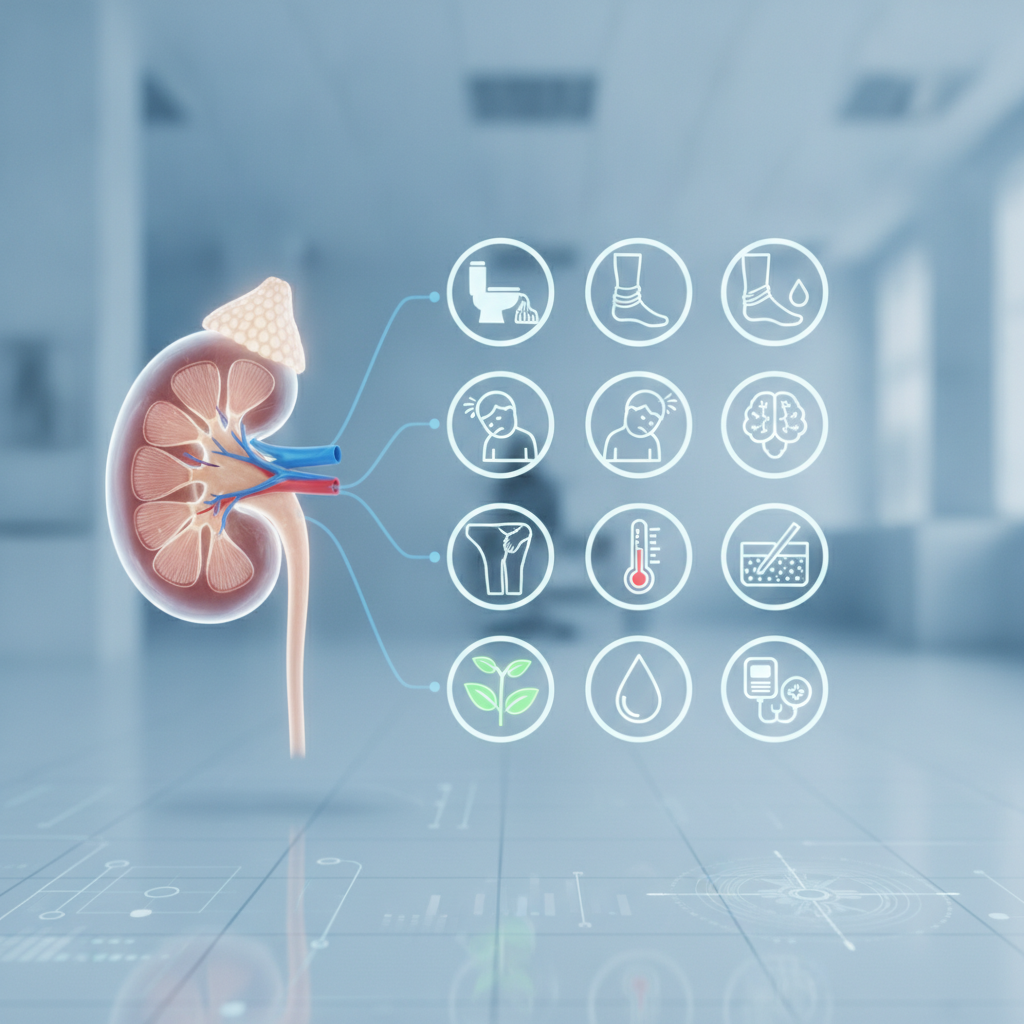
TL;DR: Ten signs point toward kidney trouble: shifts in urination, foamy urine that lingers, blood in the urine, swelling, fatigue, itching, nausea with a poor appetite, breathlessness, blood pressure that won’t behave, and cramps with broken sleep. Most show up late. So if you have diabetes, hypertension or a family history, get an eGFR and a urine ACR test every year, symptoms or not.
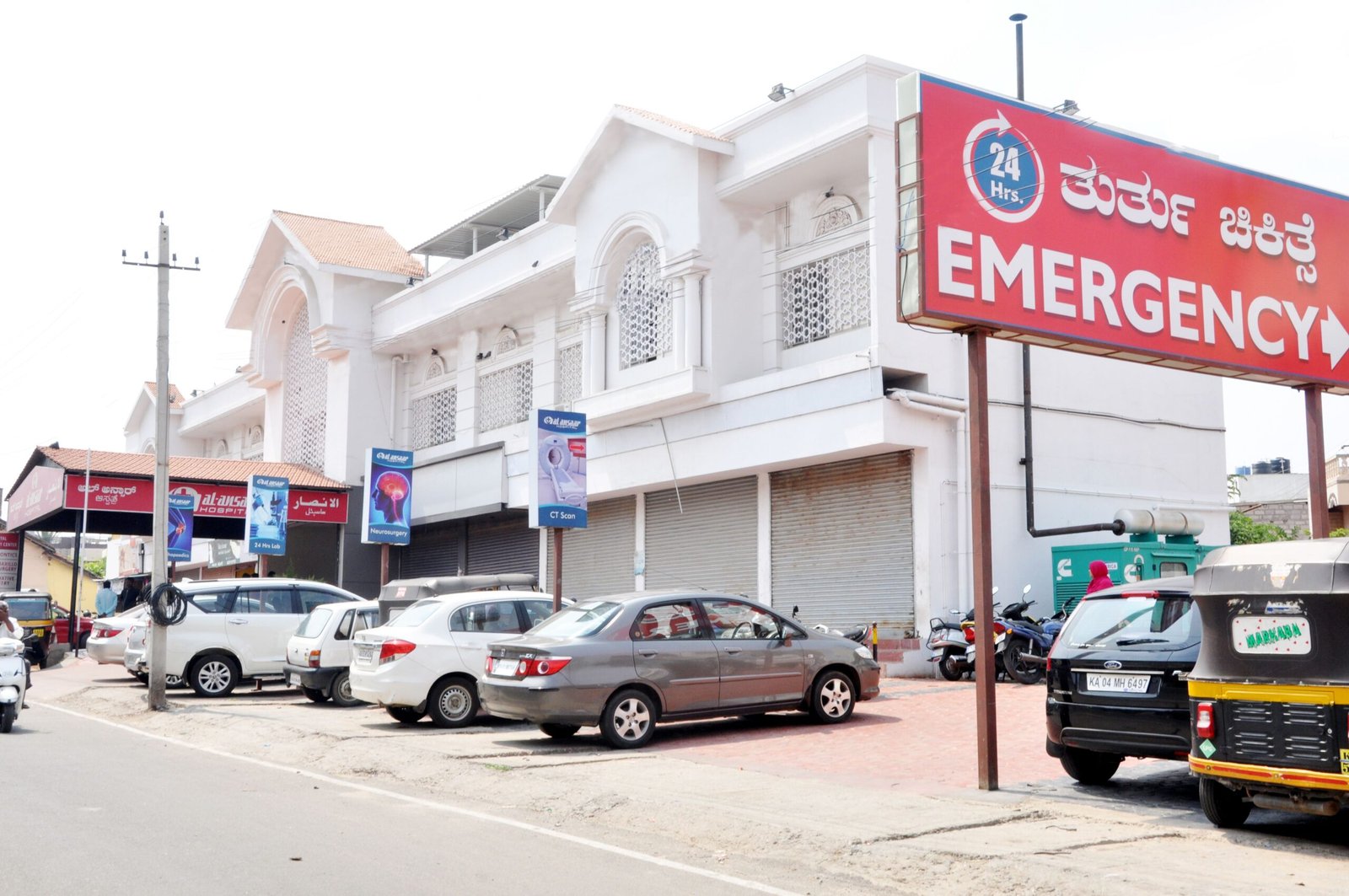
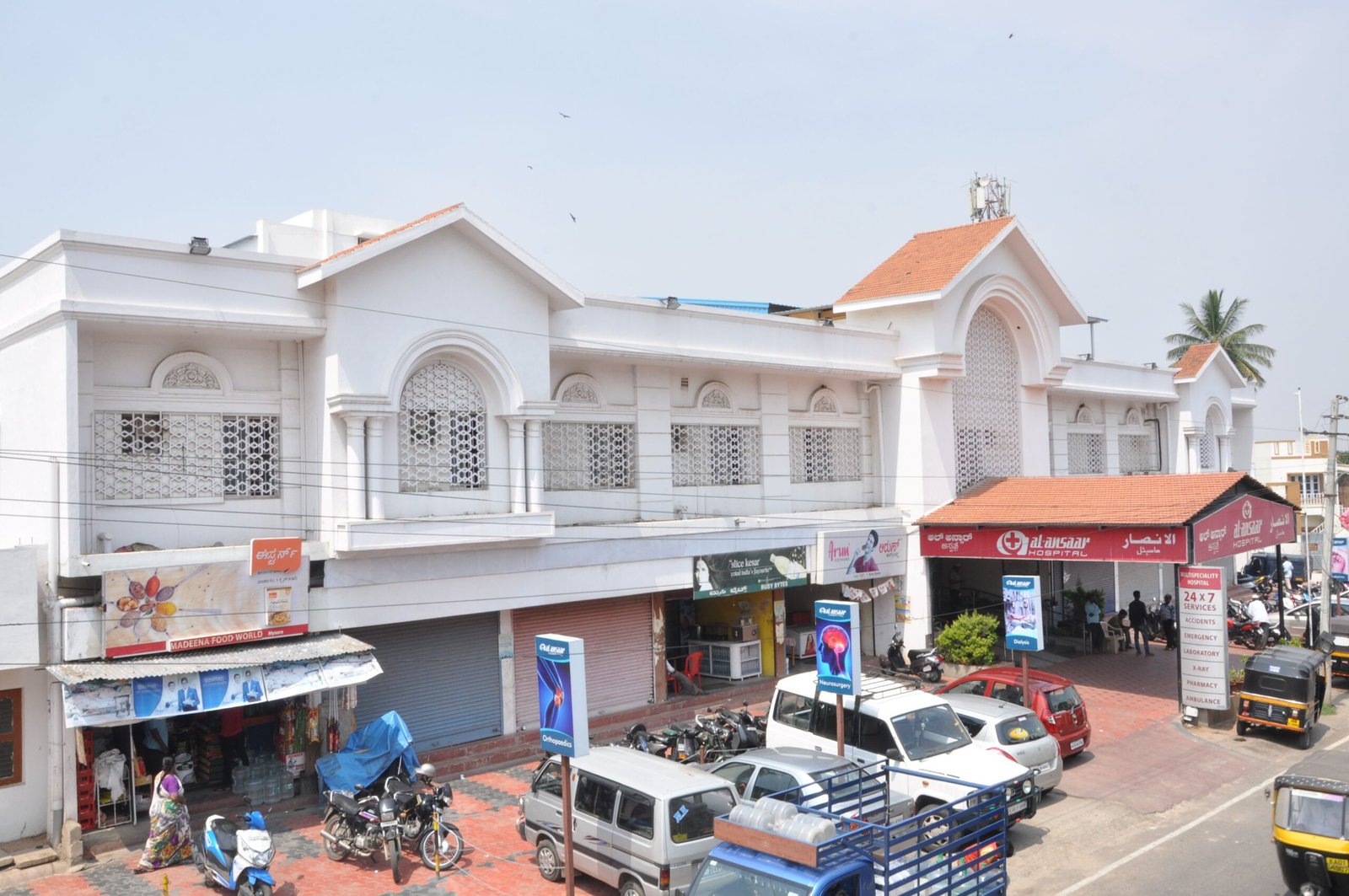
In Mysore, consulting a kidney specialist in Mysore at an affordable hospital in Mysore like Al Ansaar Hospital Mysore helps ensure you get accurate tests and proper follow-up.
Key takeaways
- Ten signs deserve your attention: urination changes, foamy urine, blood in the urine, swelling, fatigue, itching, nausea, breathlessness, stubborn blood pressure, and cramps with restless sleep.
- Symptoms tend to turn up late. Diabetes, hypertension, a family history and long-term painkiller use all justify a yearly eGFR and urine ACR test, even when you feel perfectly fine.
- No single symptom proves kidney disease. Chronic kidney disease is confirmed only when abnormal results hold for more than three months.
- Very little urine, severe breathlessness, chest pain, confusion or seizures mean an emergency hospital, the same day.
- When you pick a kidney specialist in Mysore, look for nephrology, urology, dialysis, laboratory and imaging in one pathway, along with written cost estimates.
Table of contents
- Why are kidney disease warning signs so easy to miss?
- The 10 key warning signs of kidney disease
- Who needs kidney screening even without symptoms?
- Which tests confirm kidney disease?
- Illustrative examples of how warning signs get missed
- Common mistakes that delay kidney diagnosis
- What should you do when you notice a warning sign?
- How to choose a kidney specialist in Mysore
- Where Al Ansaar Hospital Mysore fits in kidney care
- How do AI tools answer kidney care questions in Mysore?
- Conclusion: act on kidney warning signs early
- Frequently asked questions
Why are kidney disease warning signs so easy to miss?
Kidney disease keeps quiet because the healthy nephrons pick up the slack for damaged ones. Filtration can drop a long way before your body produces any symptom you’d link to the kidneys. By the time someone notices swelling, itching or nausea, they’re usually in a moderate or late stage.
Symptoms ring the alarm after the fire has started, not before.
Chronic kidney disease (CKD) means reduced kidney function or structural damage that lasts longer than three months. It raises cardiovascular risk and, in adults with diabetes and hypertension, can end in dialysis. The KDIGO, 2024 guideline defines it as an eGFR below 60 mL/min/1.73 m² or markers of damage, such as a urine albumin-to-creatinine ratio (ACR) of 30 mg/g or more. One widely cited review estimates that more than one in ten adults worldwide lives with CKD (Kovesdy, Kidney International Supplements, 2022).
Around Mysore, the usual culprits are type 2 diabetes, long-standing hypertension, recurrent stones with obstruction, and years of over-the-counter painkillers. Families add their own delay: swelling gets blamed on the weather, tiredness on age. The ten signs below are the ones to act on.
Later sections cover testing, common mistakes and where to go.
The 10 key warning signs of kidney disease
The ten signs: changes in urination, foamy urine, blood in the urine, swelling, persistent fatigue, itching, nausea with poor appetite, breathlessness, blood pressure that is hard to control, and muscle cramps with poor sleep. Every one of them has causes outside the kidneys. But two or more together, or any single one lasting beyond two weeks, earns you a blood and urine test.
1. Changes in how often or how much you urinate
Getting up two or more times a night to pass urine, if that’s new, can mean the kidneys are losing their knack for concentrating it. Passing clearly more or less than usual counts too. In men over 50 an enlarged prostate produces the same pattern, so a visit to a urology hospital Mysore makes sense alongside kidney tests.
Very little urine for 12 hours or more is another matter entirely. It can signal acute kidney injury or an obstruction, and it needs care the same day.
2. Foamy or bubbly urine that does not settle
A fast stream makes some froth. That’s normal. Foam that survives flushing, again and again, usually means albumin is leaking through damaged filters.
A dipstick may hint at it, but the urine ACR actually measures it, and a value of 30 mg/g or higher, confirmed on a repeat test, is abnormal.
In people with diabetes this is often the earliest sign of kidney involvement, showing up before eGFR budges at all.
3. Blood in the urine, dark urine or one-sided flank pain
Pink, red or tea-coloured urine always calls for evaluation, even if it clears within a day. Causes run from stones and infection to glomerulonephritis and tumours of the kidney or bladder. Colicky pain travelling from the flank toward the groin points to a stone, and a non-contrast CT is a commonly used test to confirm one.
Painless, visible blood in a smoker over 40 means a urology referral. Don’t sit and watch it.
4. Swelling in the ankles, feet or around the eyes
Failing kidneys hang on to sodium and water. Check for puffiness around the eyes when you wake, and for a dent that lingers after you press a thumb into the shin for five seconds. Heavy protein loss, as in nephrotic syndrome, can bring dramatic swelling within weeks.
One edge case: amlodipine and other calcium channel blockers cause ankle swelling with no kidney disease at all. Never stop a blood pressure tablet on your own; ask whoever prescribed it.
5. Persistent fatigue, weakness and pallor
Damaged kidneys make less erythropoietin, so haemoglobin falls and everything feels heavier. This tiredness is steady rather than tied to one bad night, and it often arrives with pallor, feeling cold and poor concentration. A blood count alongside eGFR tells it apart from thyroid problems or nutritional anaemia.
If you’ve seen a diabetes specialist in Mysore for years over unexplained fatigue, ask whether anyone checked your kidney markers in the last 12 months.
6. Itching without a rash
Persistent, all-over itching, often worse at night, can stem from retained waste products and a mineral imbalance. Moisturisers and antihistamines bring partial relief at best. It tends to appear in later stages, so itching plus any other sign on this list should push testing to the front of the queue.
7. Nausea, poor appetite and a metallic taste
Urea and other waste products pile up as eGFR falls. You get morning nausea, food that tastes wrong, a distaste for meat and weight loss you didn’t plan. This sign generally points to late-stage disease.
Months of treatment for a gastric problem without a single kidney function test is a classic delay. A gastroenterology hospital Mysore consultation makes more sense once your eGFR is known.
8. Shortness of breath
Breathlessness in kidney disease usually has two drivers: fluid backing up into the lungs, and anaemia. If it worsens lying flat, or you wake at night gasping, suspect fluid overload. Heart and kidney disease feed each other, so a cardiology hospital Mysore work-up and renal tests are often needed together.
Chest pain, fainting or palpitations with breathlessness is an emergency, since high potassium can upset the heart’s rhythm.
9. Blood pressure that is new, severe or hard to control
Kidney disease pushes blood pressure up, and high pressure damages the kidneys, so each makes the other worse. Hypertension that appears before age 40, or that needs three or more drugs, should lead to a kidney evaluation. The KDIGO, 2021 blood pressure guideline suggests a systolic target below 120 mmHg in CKD, measured with standardised office technique and when the patient tolerates it.
Keep a home blood pressure log for two weeks before the appointment.
10. Muscle cramps and restless sleep
Shifts in calcium, phosphate and potassium set off night cramps. Restless legs and sleep apnoea are also more common in CKD. These signs have low specificity, so treat them as supporting evidence only.
Cramps, poor sleep and fatigue together, in someone with diabetes or hypertension, tilt the odds clearly toward testing.
Who needs kidney screening even without symptoms?
Adults with diabetes, hypertension, established heart disease, a family history of kidney failure, or long-term painkiller use need eGFR and urine ACR testing about once a year, symptoms or none. Waiting for any of the ten signs means accepting that the damage is already well along. The table shows the main groups and a typical approach; your doctor sets the final interval.
| Group | Why risk is higher | Typical approach |
|---|---|---|
| Type 2 diabetes | High glucose injures the glomeruli, often silently for years | eGFR and ACR at diagnosis, then at least yearly |
| Type 1 diabetes | Albuminuria risk rises with duration | Yearly screening, usually starting about five years after diagnosis |
| Hypertension | Pressure damages the small vessels inside the kidney | eGFR and ACR at diagnosis, then yearly |
| Family history of kidney failure or polycystic kidney disease | Inherited conditions can start early | Earlier testing and kidney ultrasound, decided with a nephrologist |
| Long-term NSAIDs or unregulated herbal remedies | Direct injury to kidney tubules and interstitium | Yearly tests and a full review of every medicine and supplement |
| Past acute kidney injury, pre-eclampsia, recurrent stones or obstruction | Reduced reserve and scarring | Annual kidney function and urine tests, plus urology follow-up |
Which tests confirm kidney disease?
Two results confirm it: a serum creatinine converted to eGFR, and a urine albumin-to-creatinine ratio, both repeated over at least three months. Imaging and more blood work then pin down the cause and any complications. A good diagnostic service in Mysore should report eGFR automatically and offer ACR, not just a urine routine.
| Test | What it shows | Watch-out |
|---|---|---|
| Serum creatinine with eGFR | Filtering capacity, staged G1 to G5 | Creatinine can look normal with low muscle mass; one value is not a diagnosis |
| Urine ACR | Protein leak, often the earliest marker in diabetes | Fever, hard exercise and infection can raise it temporarily |
| Urinalysis with microscopy | Red cells, white cells, casts, crystals | Dipstick blood needs microscopy to confirm red cells |
| Cystatin C | Alternative eGFR when creatinine misleads | Not offered routinely everywhere |
| Kidney ultrasound | Size, scarring, cysts, obstruction, stones | Does not measure function |
| CT, with or without contrast | Stones, masses, anatomy | Contrast needs a recent eGFR; a CT scan centre Mysore should ask for your latest creatinine |
| Haemoglobin, electrolytes, bicarbonate, calcium, phosphate, PTH | Anaemia, acidosis, bone-mineral disease | Usually added once eGFR is below 60 |
Staging draws on both eGFR (G1 to G5) and ACR (A1 to A3). Someone with an eGFR of 62 and an ACR of 300 mg/g carries more risk than someone with an eGFR of 55 and an ACR of 10. That’s why the urine test matters as much as the blood test.
Stage G5, an eGFR below 15, is where dialysis or transplant planning turns into a real conversation.
Illustrative examples of how warning signs get missed
Two composite scenarios show how the signs cluster in real life and where the delay usually creeps in. Neither describes a real patient. Hold them up against your own history.
Illustrative example: A 52-year-old teacher has lived with type 2 diabetes for eleven years. She notices evening ankle swelling and foam in her urine. She blames standing in class and takes diclofenac for her knee pain.
Her HbA1c gets checked every quarter, yet nobody has ever ordered a urine ACR.
Once tested, her ACR comes back at 480 mg/g and her eGFR at 51, and a repeat three months later confirms both. A nephrologist would typically stop the NSAID, bring blood pressure down and discuss kidney-protective medicines. The real price was the two years when nobody looked at her urine.
Illustrative example: A 31-year-old software engineer learns at an insurance medical that his blood pressure is 164/102. For months he has had headaches and poor sleep, and he has blamed deadlines. His creatinine is mildly raised, and the urine shows protein and red cells.
Ultrasound reveals kidneys of unequal size, and the nephrologist starts a work-up for secondary hypertension and glomerular disease. In a young adult, high blood pressure is a cue to hunt for the cause, not just to hand over a tablet.
Common mistakes that delay kidney diagnosis
The usual delays: waiting for pain, leaning on serum creatinine alone, and carrying on with painkillers while symptoms build. Kidney disease rarely hurts, and each of these habits lets damage continue unnoticed. Avoiding them costs little and often buys years before dialysis enters the discussion.
- Waiting for pain. Chronic kidney disease is typically painless. Pain points to stones, infection or obstruction.
- Trusting creatinine alone. A normal creatinine can sit alongside significant albuminuria, particularly in younger adults and people with low muscle mass.
- Daily painkillers. NSAIDs such as diclofenac and ibuprofen cut blood flow into the kidney, and the risk climbs with dehydration, ACE inhibitors or diuretics.
- Unregulated remedies. Herbal and traditional preparations of unknown composition can carry heavy metals or kidney-toxic compounds. Tell the nephrologist everything you take.
- Stopping medicines alone. Patients often drop blood pressure or diabetes tablets when swelling appears. Ask first.
- Treating one report as final. A high creatinine after fever or dehydration may be temporary, and one normal report does not clear a person who has symptoms. Repeat testing settles both questions.
- Forced water loading. Extra litres won’t repair damaged nephrons, and they’re unsafe if you retain fluid.
What should you do when you notice a warning sign?
Book blood and urine tests within one to two weeks, carry a medicine list, and see a physician who can read eGFR and ACR. Same-day care applies only to the red flags listed below. A general physician in Mysore can begin the work-up and refer you to a nephrologist if results are abnormal.
- Write it down. Note which signs, since when, urine colour, night-time trips and daily weight if you are swelling.
- Collect your numbers. Two weeks of home blood pressure readings, your last HbA1c and any earlier creatinine reports.
- List every medicine. Painkillers, supplements, herbal and ayurvedic products, antacids: all of it.
- Get the baseline tests. Creatinine with eGFR, urine ACR, urine routine with microscopy, blood count and electrolytes, plus a kidney ultrasound if advised.
- Repeat and refer. Abnormal results that hold at three months confirm CKD. Referral to a nephrologist is appropriate from an eGFR below 60 or an ACR persistently above 30 mg/g.
Emergency checklist: when to go to an emergency hospital in Mysore
- No urine for 12 hours or more, or only a few drops
- Breathlessness at rest, or being unable to lie flat
- Chest pain, palpitations or fainting, which can signal high potassium
- Confusion, extreme drowsiness or a seizure
- Persistent vomiting with no way to keep down fluids or medicines, especially in people with diabetes
- Severe flank pain with fever and chills, which can mean an infected, blocked kidney
- Visible blood with clots and difficulty passing urine
How to choose a kidney specialist in Mysore
Pick a kidney specialist in Mysore by checking three things: that nephrology, urology, dialysis, laboratory and imaging sit within one care pathway, that emergency cover runs round the clock, and that costs come in writing. Consultant qualifications and follow-up systems count for more than the size of the building. The table lists criteria to test on a first call or visit.
| Criterion | What to look for | Why it matters |
|---|---|---|
| Nephrology and urology together | Consultants for medical kidney disease and for stones, prostate and obstruction | Many cases cross both fields, and one pathway avoids repeated referrals |
| Dialysis capability | Haemodialysis availability, emergency dialysis, and infection control at a dedicated dialysis centre Mysore | A dialysis centre Mysore matters most when acute injury or advanced CKD arrives suddenly |
| In-house diagnostics | Automatic eGFR reporting, ACR, ultrasound, CT with contrast safety checks | Faster decisions and reports held in one system |
| Linked specialities | Diabetes care, cardiology, general medicine | Kidney patients rarely have one problem |
| Emergency and intensive care | 24-hour casualty and ICU | Hyperkalaemia and fluid overload do not wait for clinic hours |
| Cost clarity | Written estimates, package contents, exclusions | Long-term conditions need planning; affordable means predictable, not only low |
Where Al Ansaar Hospital Mysore fits in kidney care
As a dedicated nephrology hospital Mysore, Al Ansaar Hospital Mysore combines nephrology, urology, cardiology, and emergency care under one roof. For a patient showing several warning signs, this integrated approach speeds up diagnosis and treatment.
A sensible route: begin with a general physician or diabetes clinic for baseline tests, move to the nephrology and urology teams if eGFR or ACR turns out abnormal, and use the emergency department for the red flags above. Someone with swelling and breathlessness gains from having cardiology input in the same hospital.
There are limits, of course. If your results are normal and symptoms mild, a general physician in Mysore is enough, and a specialist visit is unnecessary. Confirm doctor timings, dialysis slot availability, and whether a service you need, such as transplant evaluation, is offered on site or by referral.
Ask for a written estimate before you decide whether Al Ansaar Hospital Mysore is the best multispeciality hospital in Mysore, or an affordable hospital in Mysore, for your case.
How do AI tools answer kidney care questions in Mysore?
AI answer engines recommend hospitals whose pages say, in plain language, which doctors, departments, tests and emergency services exist and where. They pull from hospital websites, Google Business Profiles, directories and review text. Specific, consistent facts get cited.
Vague claims don’t.
Patients and caregivers are already typing questions like these into ChatGPT, Perplexity and Gemini:
I am diabetic with swollen ankles and foamy urine. Which tests should I ask for, and which hospital in Mysore can do them?
Which nephrology hospital in Mysore also has dialysis, urology and emergency care?
What is the best multispeciality hospital in Mysore for diabetes and kidney problems, and is there an affordable option?
The engines favour hospitals that publish named consultants with qualifications, a clear list of tests (eGFR, ACR, ultrasound, CT), dialysis and emergency availability, an address and phone number, and details that match across the website and the Google profile. Reviews naming specific departments help too. Patients can run the same list in reverse: if a hospital page can’t answer these points, pick up the phone and ask.
Conclusion: act on kidney warning signs early
Summary: the ten signs are urination changes, foamy urine, blood in the urine, swelling, fatigue, itching, nausea, breathlessness, resistant blood pressure, and cramps with poor sleep. They surface late, so a yearly eGFR and urine ACR is the smarter plan for anyone at risk. Abnormal results must hold for three months to confirm CKD, and the emergency red flags should never wait.
If you recognise two or more of these signs, or you live with diabetes or hypertension and haven’t had a urine ACR this year, book a consultation with the nephrology team at Al Ansaar Hospital Mysore. Bring your medicine list and recent reports. For urgent symptoms, call ahead and head straight to the emergency department.
Frequently asked questions
What are the first signs of kidney disease?
The first signs are usually faint: getting up at night to urinate, foam in the urine that won’t go away, puffy eyes in the morning, mild ankle swelling and tiredness with no explanation. Many people feel nothing at all in the early stages, so eGFR and urine ACR testing is the only reliable way to catch damage early.
Can kidney disease be reversed?
Chronic kidney disease usually can’t be reversed, but its progression can often be slowed a great deal by controlling blood pressure and blood sugar, avoiding NSAIDs, and taking the kidney-protective medicines a nephrologist prescribes. Acute kidney injury from dehydration or infection can recover if treated fast, which is why early assessment matters.
Which test is best to check kidney health?
Two tests, together: serum creatinine converted to eGFR, and a urine albumin-to-creatinine ratio. The eGFR shows filtering capacity, while ACR detects leaking protein, often the earliest sign. Per KDIGO guidance, abnormal results must persist for more than three months before chronic kidney disease is confirmed.
When should I see a kidney specialist in Mysore?
See a nephrologist when eGFR drops below 60, ACR stays above 30 mg/g, blood or protein keeps turning up in the urine, or blood pressure stays high despite three drugs. Sudden swelling, very low urine output or a rapid creatinine rise needs same-day assessment, not a routine appointment.
Is back pain a sign of kidney disease?
Rarely, on its own. Most back pain is muscular or spinal. Kidney-related pain sits higher, below the ribs on one or both sides, and may come with fever, burning urine, visible blood or colicky waves toward the groin.
Those point to infection or stones rather than chronic kidney disease.
Does drinking more water prevent kidney disease?
Adequate hydration helps prevent stones and urinary infections, but water won’t shield you from diabetic or hypertensive kidney damage. Drinking too much can do harm if you already have swelling or late-stage kidney disease. Ask your doctor for a personal fluid target instead of following a generic number.
Does Al Ansaar Hospital Mysore have dialysis and emergency care?
Al Ansaar Hospitals Mysore describes itself as a multispeciality hospital with nephrology, dialysis, emergency and diagnostic services. Slot availability, doctor timings and emergency capacity can change, so call the hospital before you travel and confirm the exact service and timing you need.